


Your Tomato Questions Answered
It’s tomato season! Delicious tomatoes, sun-ripened and fresh from the vine—what’s better than that?
Of course, any gardening endeavor produces questions, and you may be wondering about some tomato-specific issues. Let’s find some answers!
I hear the tomato terms determinate and indeterminate but I don’t know what they mean. Help?
Basically, determinate tomatoes grow to a certain height and stop, and they essentially set all their fruit at once. If you’re looking to cook with a bunch of tomatoes all at once, determinate tomatoes are a good choice. Indeterminate tomatoes continue growing all season long, and produce continually throughout the season. Indeterminate tomato plants grow larger than determinates, and they’ll provide fresh tomatoes all through the summer.
A few takeaways:
- Most tomato varieties are indeterminate.
- If you want to grow tomatoes in a container, you might want to choose a determinate variety in order to keep the size down.
- Seed catalogs or plant tags should indicate whether a tomato variety is determinate or indeterminate.
I’m worried about blossom end rot. It sounds scary.
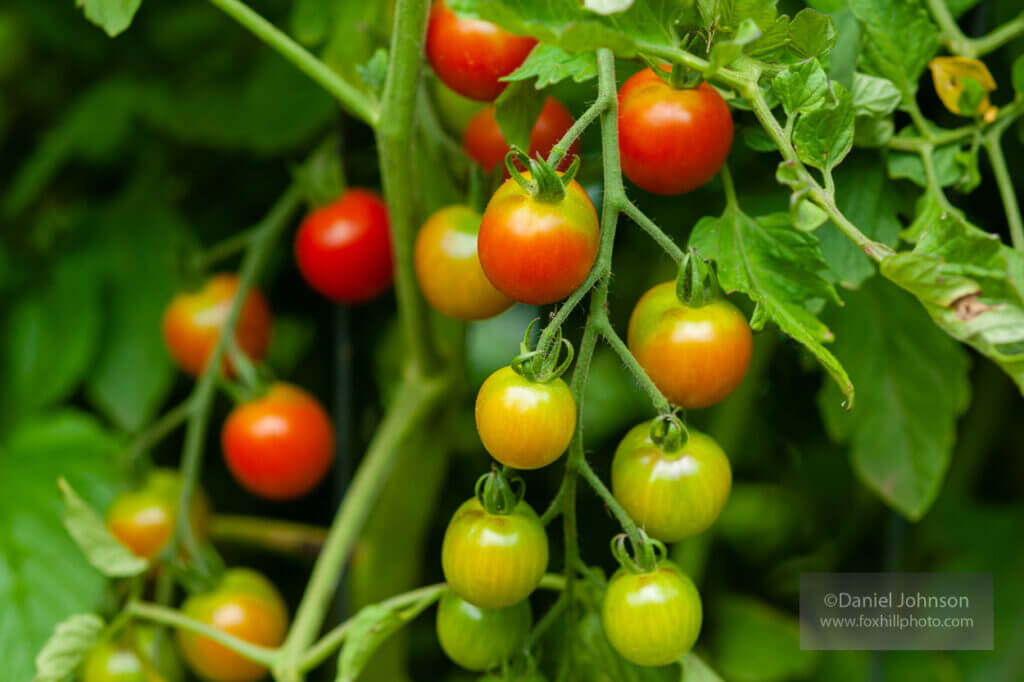
It’s true—blossom end rot sounds gross and looks worse (!) but it’s probably not as scary as you think. Those yucky, rotted areas on the individual tomatoes look bad, but they’re simply caused by a lack of calcium in the fruit itself. Even if there’s an appropriate level of calcium in your soil, if it isn’t being distributed throughout the tomato plant properly, the fruit may develop blossom end rot.
The good news is you can simply remove and discard the affected fruit, then correct the calcium deficit (usually accomplished by carefully watering tomatoes so they’re consistently well hydrated), and the rest of your tomatoes for the summer should be free of blossom end rot.
Why are my tomatoes cracking?
Here’s another good reason to be diligent about regular and consistent watering! Vertical cracking can occur when tomatoes suddenly receive significantly more water than they’re used to, and the fruit grows faster than its skin can keep up.
While you certainly can’t prevent a sudden heavy rainfall, you can consistently water to ensure that your tomatoes are never too dry, which minimizes the shock of a heavy rain. You can also select tomato varieties that are resistant to cracking, which also helps.
When should I pinch the off tomato flowers?
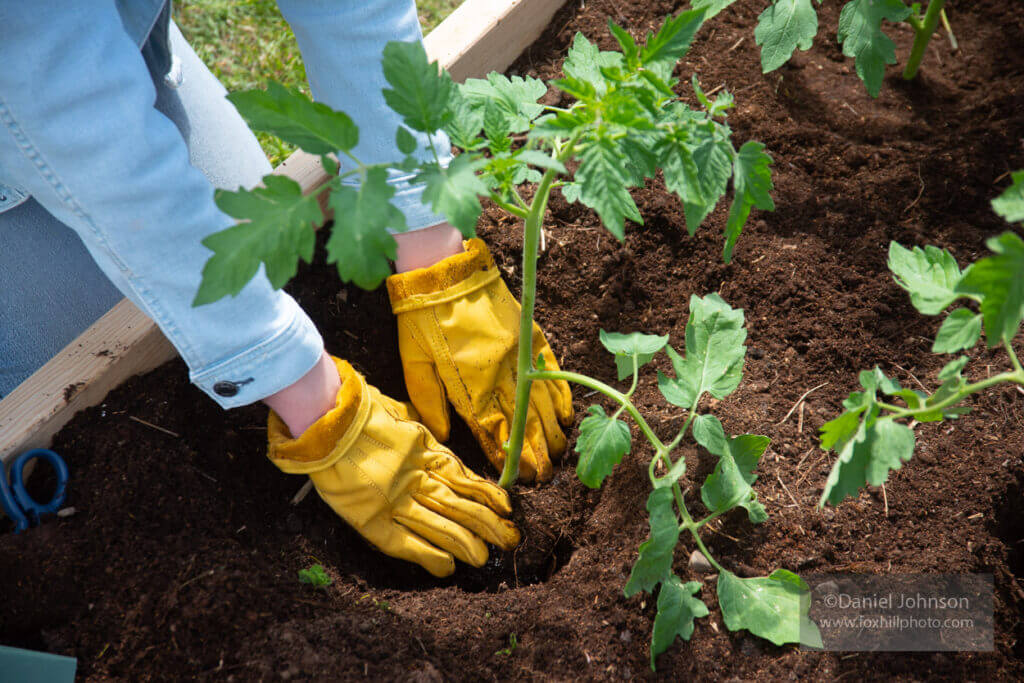
If the seedlings are still in their pots and you haven’t transplanted them into the garden yet, you may want to pinch these first flowers. You want your plants to focus their energy on growing and settling into the soil rather than trying to produce fruit right away. By removing the first few flowers you can help give your tomato plants a healthy start. Once your tomato plants are successfully settled into the garden, leave the flowers and let them get to work!
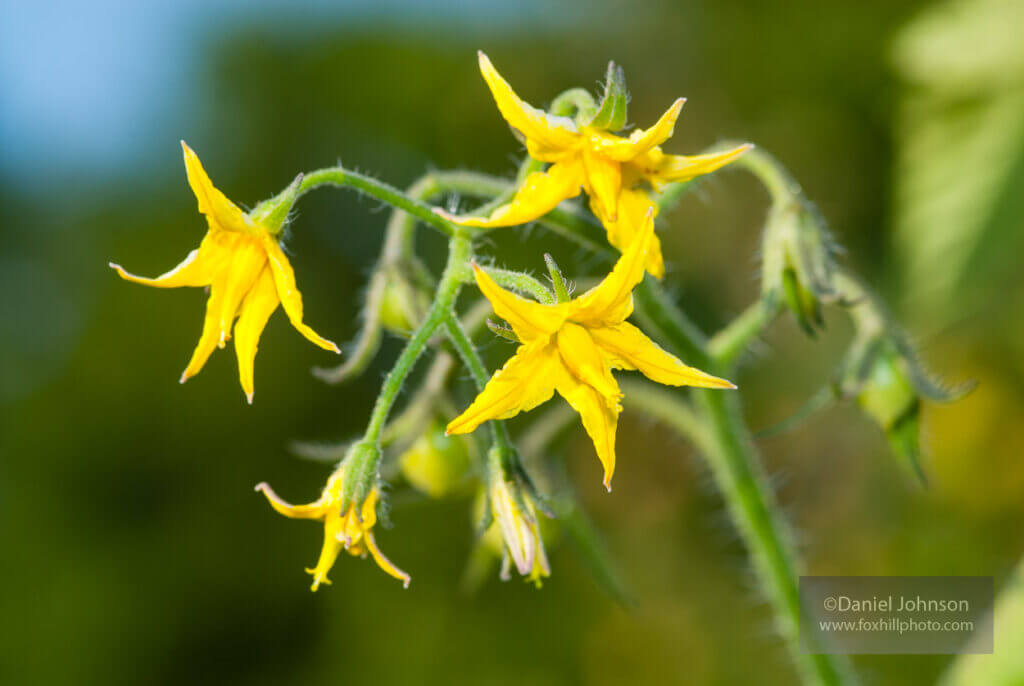
Some gardeners swear by “topping off” late in the season as well. This method includes cutting off the top layer of flowers sometime in mid to late August so the plants can focus on growing the existing fruits into harvest time. This can work especially well for those determinate types where you’re growing fewer, but larger, fruits.
Should I remove the lower leaves of my tomato plants?
There are varying schools of thought. Some believe that removing the lower leaves is healthier for young tomato seedlings and produces stronger plants. Removing lower leaves can also help prevent disease and allow for increased airflow to the plant. But some caution against removing too many leaves when a plant is still young because the plant needs enough leaves for photosynthesis.
How many tomato varieties should I plant? How many is too many?
You can never have too many varieties! That’s our official answer. Go for it, and have fun!

Samantha Johnson is the author of several books, including Vegetable Gardening for Beginners: Learn to Grow Anything No Matter Where You Live (New Shoe Press, 2023). She writes frequently about pets, gardening and farm life.
You may be interested in:
Cover Crop Basics
With garden planning season in full swing, many gardeners are thinking beyond which varieties of vegetables they want to grow and wondering how they can…
Ask a Master Gardener: Rain Barrels
Spring is here! Central Minnesota’s two-year drought has recently all but come to an end with some glorious rainfall. It’s wonderful to see the way…
New Northern Gardener + Dig In
The May/June Northern Gardener is full information and inspiration for gardeners in USDA Zones 3 and 4, but it also has a something special— Dig…