


October Garden Checklist for Northern Gardeners
Updated for 2021
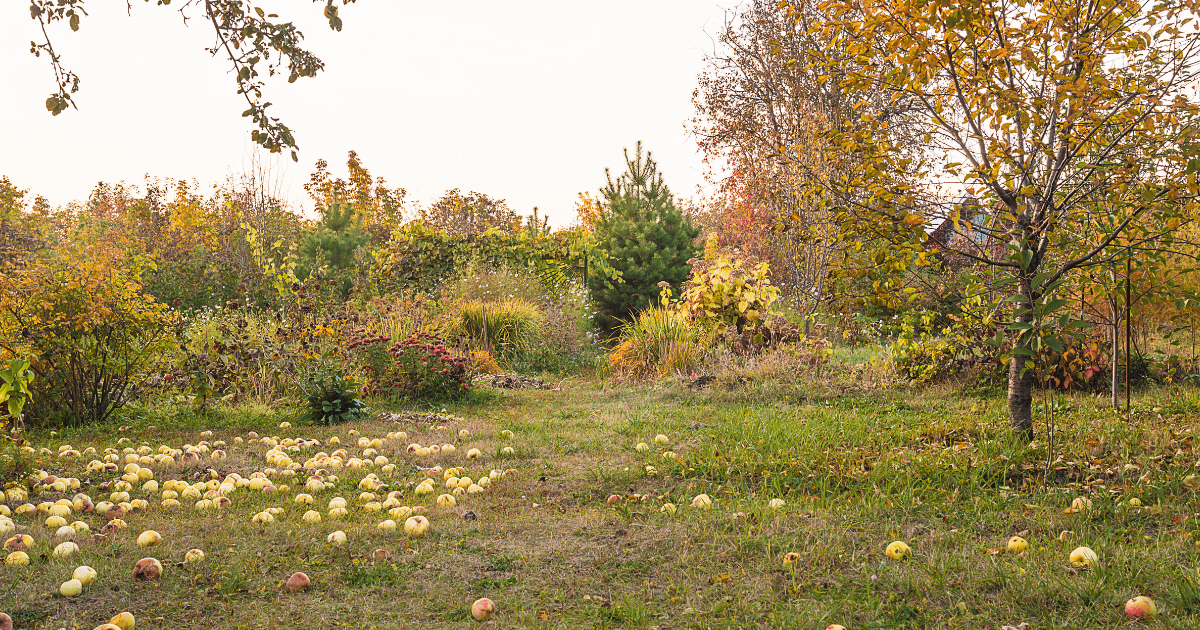
Even in the north, we see tomatoes still ripening on the vine in early October, along with continuous blooms from asters, hydrangeas, and all our annuals. Don’t take these days for granted, as the cold weather is coming soon. Here are some ways to keep enjoying your garden well into October.
Clean up plants, gradually
We’re not members of the squeaky clean garden club and many perennials can be left standing through the winter to provide shelter for pollinators, food for birds and a place for snow to settle. But cleaning up some parts of the garden reduces disease pressure and makes the spring season easier.
A simple, pollinator-friendly cleaning program involves removing spent annuals, removing vegetables that are done for the year, removing obviously diseased plants, cleaning up pots and cutting back a few perennials—damp, mushy hostas are the worst.
Plant bulbs
This next week or so will be the perfect time to plant bulbs for spring. With bulbs, more is better than less, so even if you have bulbs consider adding more. Plant them in big groups for the most impact. If rabbits are a problem in your area, plant daffodils rather than tasty tulips.
Store the harvest
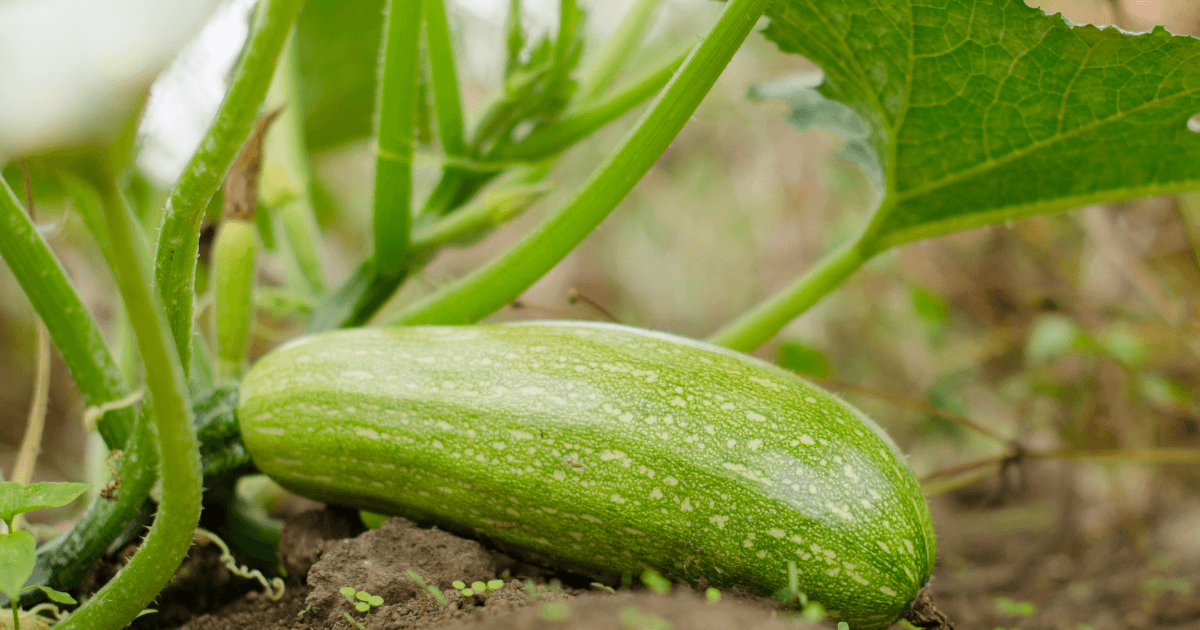
Winter squash and pumpkins can be cured outside for a couple of weeks after harvest before being stored in a cool, dry place. You can even ripen some squash indoors, if they are not fully ripe at harvest time.
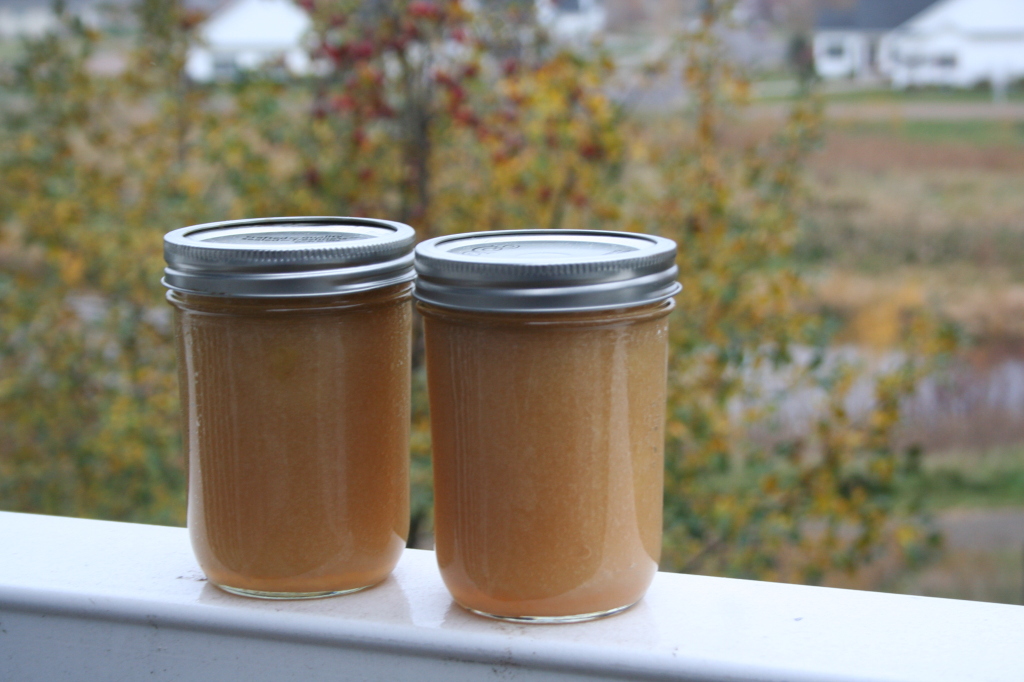
What else is ripening in your garden? If you pulled some green tomatoes, consider trying our recipe for fried green tomatoes. Or, if you’ve harvested or bought some apples, consider putting up some apple chutney or applesauce to enjoy over the winter.
Harvest herbs and freeze them
Some herbs, such as parsley and chives, will hang out in the garden a long time, but harvesting and freezing them guarantees they keep their peak flavor. You can make them into pesto-like concoctions and freeze in bags or freeze them chopped up for adding to soups and stews all winter.
Nourish vegetable beds
You can certainly wait until spring to add compost to all your garden beds, including vegetable beds. But, if you have rougher compost (that is, not completely finished with some green or dried bits in it) you can add some in fall and let it finish in the bed. Shredded leaves also make a great addition. By spring they are most mixed with the soil and the soil is light and fluffy and ready to plant.
Water and weed
Don’t stop watering (we’re still technically in a drought) or weeding, even though the garden seems to be retiring for the year. New trees and shrubs particularly need watering right up to the time the ground freezes. They will come through the winter much better with adequate moisture in the fall. Weeding now will set you up for an easier spring and fewer weeds next summer.
Rake or mow leaves
As we get into late October, it’s time to start gathering up the leaves. Depending on your tree cover, you may be able to just mow the leaves into your yard, which is a nice light fertilizer for the lawn and saves you some labor. If you have a heavy tree cover, however, you will need to bag at least some leaves.

Mow low
During most of the season, a mower height of about 3 inches is optimal for a lush lawn that shades out weeds. But at the end of the season, you will want to lower your mower to 2 to 2-1/2 inches in height to prevent snow mold. If you fertilize in fall, it should be done by Oct. 15.
Enjoy the season!
The long-range weather forecast hints that we will have a beautiful October. Enjoy your garden! Rake up a leaf pile and let the kids jump in it. Visit an apple orchard. Go leaf-peeping.
Is it time to start bringing in my caladium and begonia bulbs/tubers and letting them dry out or should I wait until they start dying back a little. They still look great so I hat to dig them up-but I also don’t want the frost to get them….
The tubers will survive a killing frost. The advice we have heard from master gardeners is to dig the bulbs 10-14 days after the first killing frost or on Nov. 15, whichever comes first. Here’s a post from the Anoka Co. MGs with lots of info on dahlias. https://www.anokamastergardeners.org/blog/2018/7/20/growing-dahlias
Thanks for commenting!