


July Garden Checklist for Northern Gardeners
Updated July 2025
With heat, humidity and occasional rains, many gardens will be exploding by early July. Fortunately, we gardeners can enjoy them with a streamlined list of chores. Basically, July involves weeding, watering and watching. Here’s what we mean:
Weeding and Pruning Your Northern Garden in July
- Weed casually almost every day if you’re able. By this time of year, you probably know which weeds are in your garden and where to find them. Grab them when they are small, after a rain and when you first see them. The goal is to prevent them from going to seed.
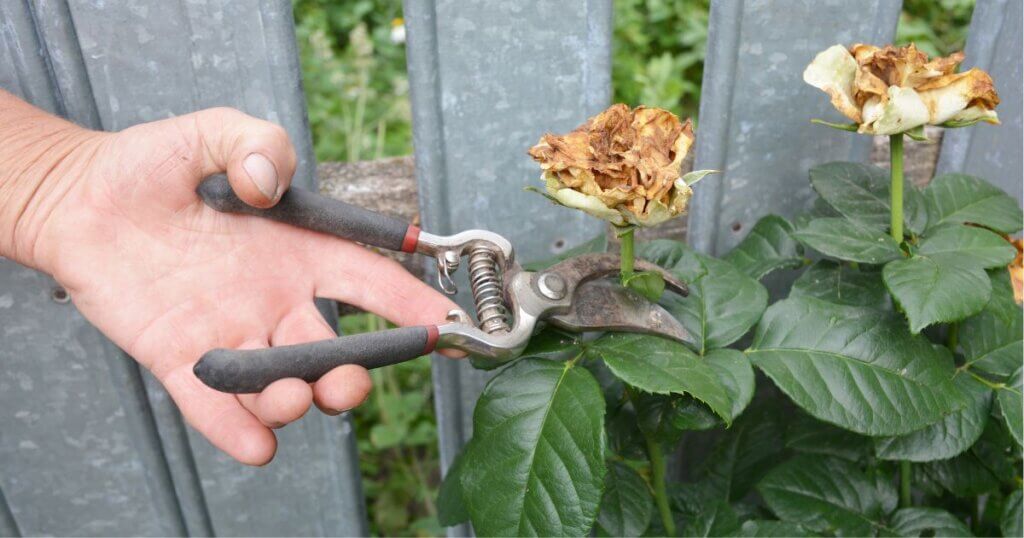
- Deadheading isn’t exactly weeding, but removing spent blossoms will make your yard look neater and it encourages plants to keep on flowering. Focus on the plants with spent blooms that are most noticeable, such as geraniums, lilies and daylilies. Roses also do best with regular deadheading, cutting the blooms off just above a set of five leaves.
- You can also cutback some early summer blooming shrubs, such as spirea, or perennials that have finished blooming, such as catmint. Cutting off the blooms after they are finished gives the shrub or plant a neat shape and you may get a second round of blooms in a month or two.
- Speaking of plant haircuts, if your container plants look messy, give them a trim. They’ll keep on flowering and look even better.
- If you are feeling especially active, now is a good time to prune or shape those shrubs that are starting to look straggly.
Garden Watering Needs in July
- To reduce disease, water early or late in the day. Keep the spray pointed toward the soil (not the leaves!).
- Be especially diligent about watering any trees or shrubs that were planted this year. Water deeply every few days unless there is a good rain. Given how dry parts of Minnesota have been in recent years, be sure to give all your trees a deep watering.
- Are you watching your rain gauge? We can get lots of rain or very little from the storms that are so common this time of year. Monitoring rain and making sure your vegetable gardens are getting at least an inch of rain will keep them productive.
Watching for Garden Pests & Diseases (and Latest Harvests!)
By now, many gardeners have already spotted their first Japanese beetle. Ugh! The most environmentally safe way to control them is simply picking them off the plant and knocking them into a bucket of soapy water. Do it in the morning when they are slow. Get your kids involved! It’s a great job for little fingers. Also, if you have not heard about the winsome fly—a parasite that attacks Japanese beetles—check out this post.
- Watch your vegetable garden closely for signs of common summer problems, such as early blight or blossom end rot on tomatoes or powdery mildew on cucumbers.
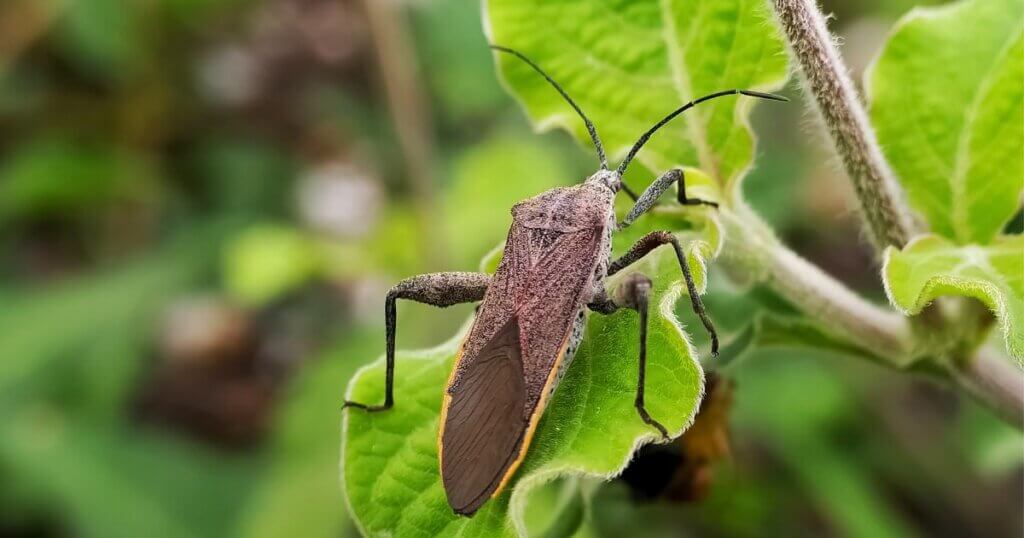
- Both squash bugs and squash vine borers usually show up right around the beginning of the month. Squash bugs lay coppery metallic eggs on the undersides of leaves; they’re easy to remove with duct tape. Immature insects are tiny and grey and then get bigger as they grow. The adults, typically a ½” long, can be quick and fly but are typically easy to catch and add to the bucket of soapy water.
- Squash vine borers are much trickier to catch. You can try pheromone traps, though scouting and removing the eggs and even using a barrier like parafilm around the base of the plants is the best way to protect your plants. Borers usually lay their tawny brown, mustard-seed-shaped eggs right at the base of the plants, but there are ways to control them.
- Use maggot barriers to protect peaches from Japanese beetles and other insects this summer. These are chunks of nylon material that you wrap around the fruits to protect them as they grow. Finish ripening peaches on the counter for the last week just to beat the squirrels to them.
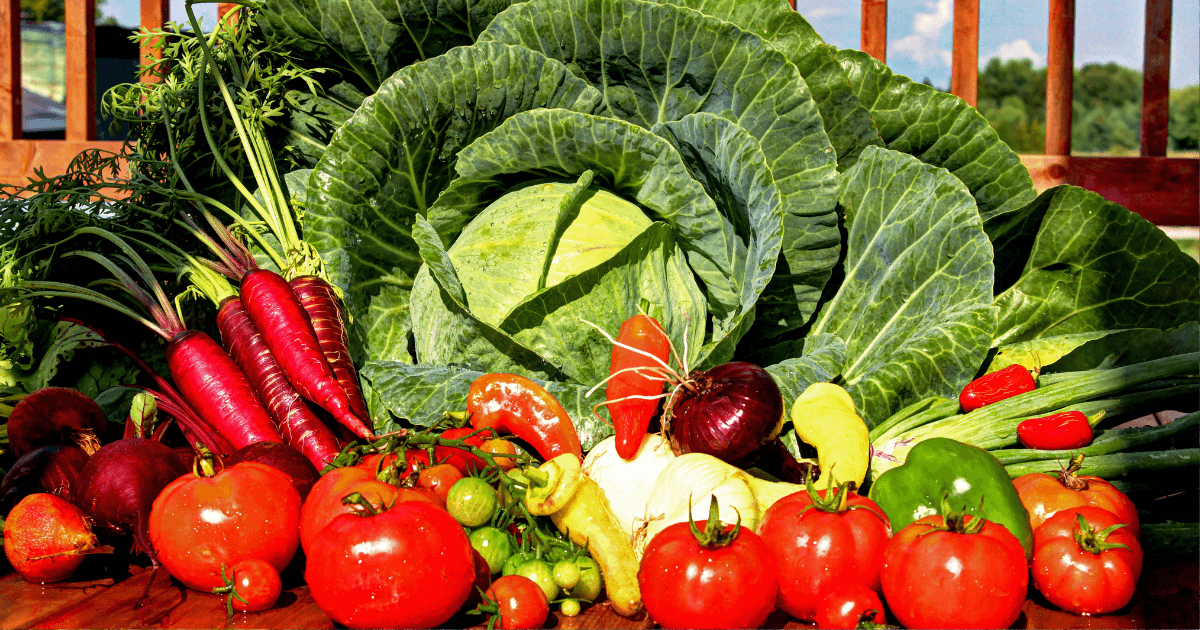
- One of the best things to watch for in July is ripe fruits and vegetables! From the sour cherries that should be ripening now to green beans, cherry tomatoes, cucumbers, kale, zucchini and more. To avoid gargantuan vegetables, pick early and pick often.
- Now is also a good time to remove tomato suckers from the bottom foot of the plant. This helps create good air circulation and can prevent diseases from spreading.
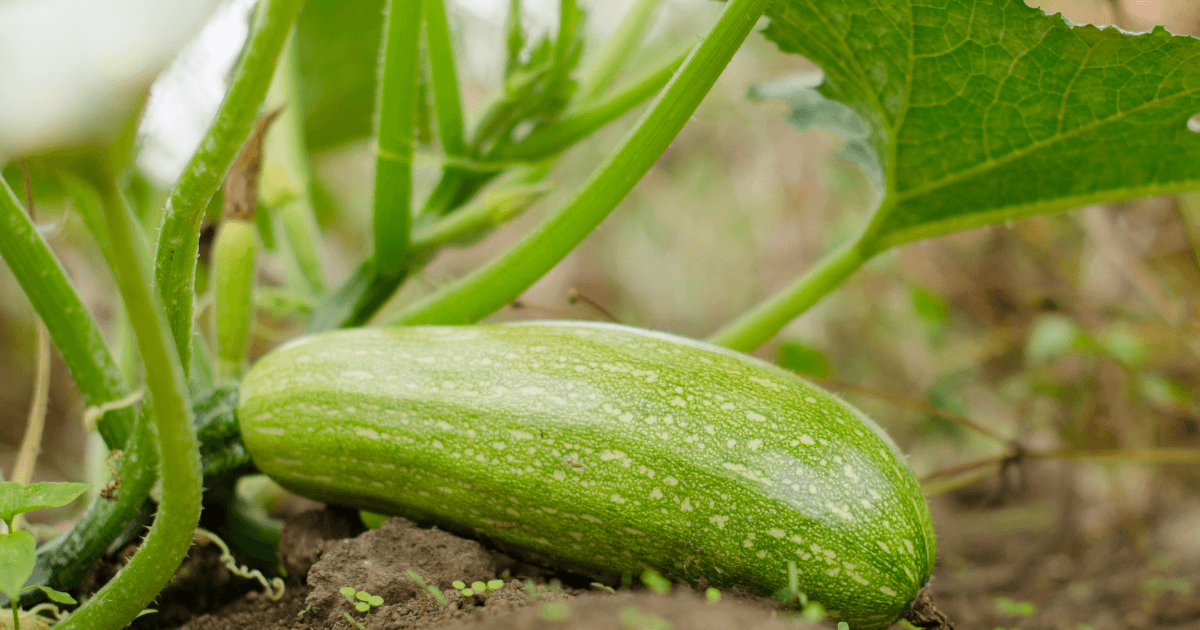
- As summer squash and zucchini start to produce fruit, stay on top of harvesting, ideally checking every day or two. When warm weather hits, they can get big fast. If you end up with zucchini baseball bats, try removing the seeds, grating them and freezing for muffins, breads and cakes all winter long.
- Now is the time to harvest basil by pinching the top four leaves back to the spot on the stem where more shoots are coming. This will make your plants bigger and bushier. Harvesting shoots from herbs will reduce flowering and keep them productive. Drying them for later use is a great idea, too. Here are some ways to utilize herbs from your garden.
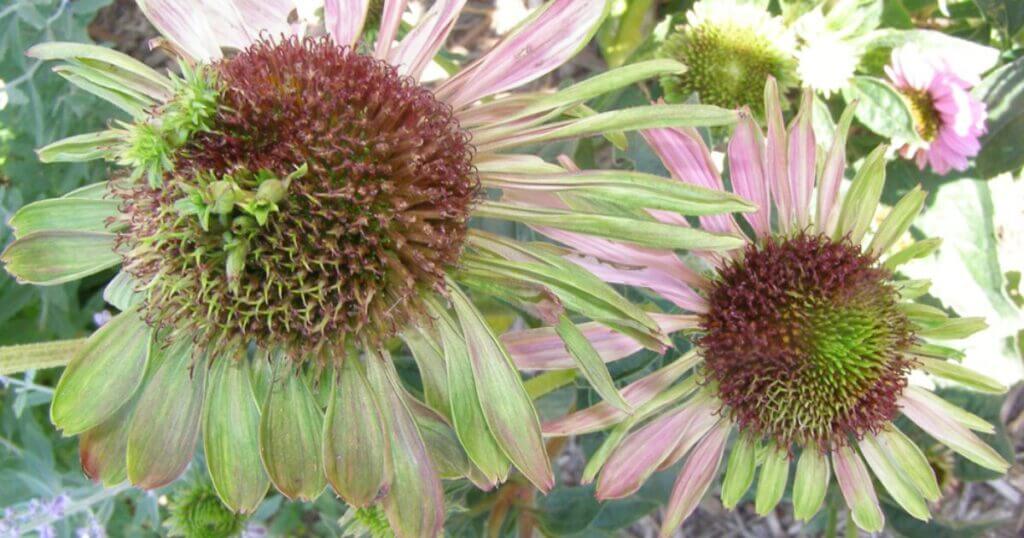
- You may also want to take some time this month to scout for signs of aster yellow and/or eriophyid mite infestation. By now, the kinds of tiny pests you can’t always spot have likely taken hold in your coneflowers, marigolds or tomatoes, and it’s best to remove these plants (don’t compost!) altogether to keep these critters from spreading.
A Few Other Things to Do in July . . .
Have you lifted your mower deck? During the hot time of the year, mow your grass at the highest setting. Longer grass blades will shade the roots and keep grass healthier. Your grassroots appreciate the shade.
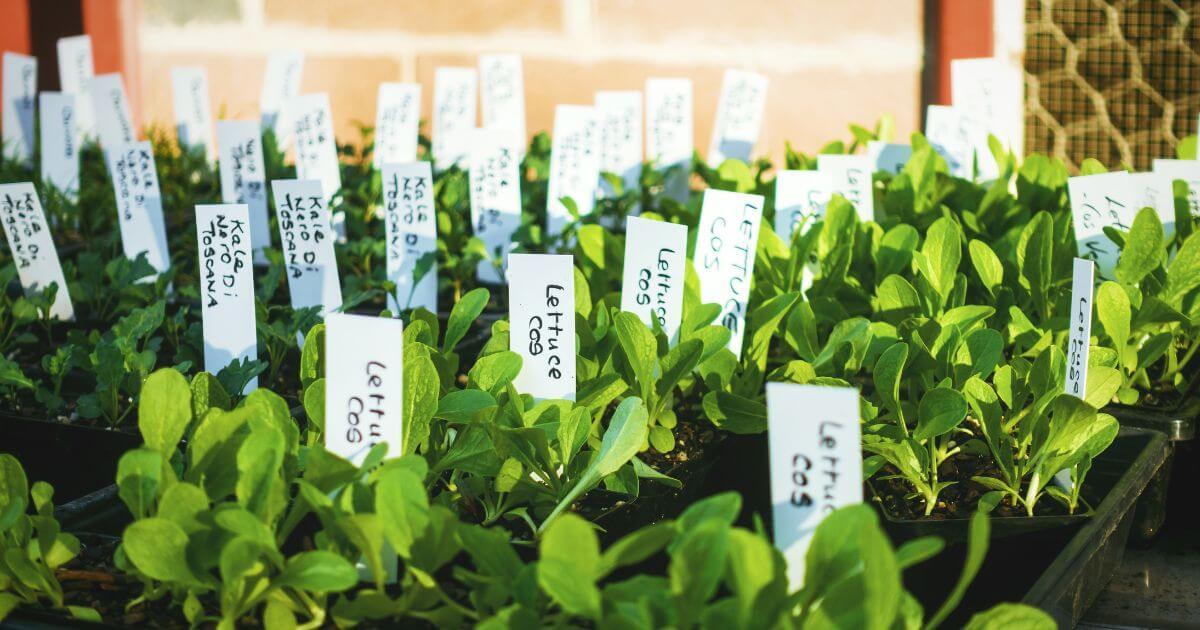
If you want to extend the season, plant quicker growing crops now. There is still time to plant more beans, summer squash, carrots, cabbage, turnips, lettuce, kohlrabi, beets, dill and cilantro in spots where you’ve already harvested early plantings of peas, radishes, spinach and lettuce. Be sure to water new plantings in well as they are getting established. Often by this time of the year, the spring planted crops are getting enough water from weekly rain, but containers will need more. Don’t forget to water those regularly.
You’ve made it this far—now keep going! We wish the best of luck to you in the garden this month.
My garden has never looked so good. Probably because it’s the only place I feel safe in going to daily without wearing a mask.
Good for you! Enjoy that garden.