



Harvesting Wellness: Crafting Fire Cider from Your Garden
Transform your garden’s harvest into a powerful health tonic that supports your immune system and adds zest to your daily routine. Fire Cider is more than a tonic; it’s a tradition rooted in wellness. This versatile remedy can be crafted straight from the bounty of your northern garden, combining fresh, homegrown ingredients to create a potent health booster. Let’s dive into how to grow and harvest the key ingredients, followed by the recipe and preparation tips.
Growing and Harvesting Fire Cider Ingredients

Garlic: A staple in any garden, garlic is best planted in the fall, around 4-6 weeks before the first frost. The cloves overwinter and are ready for harvest by mid-summer when the leaves begin to yellow. Cure the bulbs in a cool, dry place for long-term storage.
Onions: Plant onion sets or seeds in early spring in full sun. Onions are ready to harvest when the tops fall over and dry out. Cure them for a week before storing them.
Hot Peppers: Cayenne and jalapeño peppers can be grown in pots or sunny garden spots for cooler climates. Start seeds indoors and transplant after the last frost. Harvest when the peppers are fully ripe and vibrant in color.
Herbs: Northern-friendly herbs like thyme, rosemary, and calendula are ideal for Fire Cider. While calendula readily self-seeds each year, thyme and rosemary can thrive as annuals or perennials depending on your climate. Harvest herbs throughout the growing season and dry them for later use.
Why Make Fire Cider?
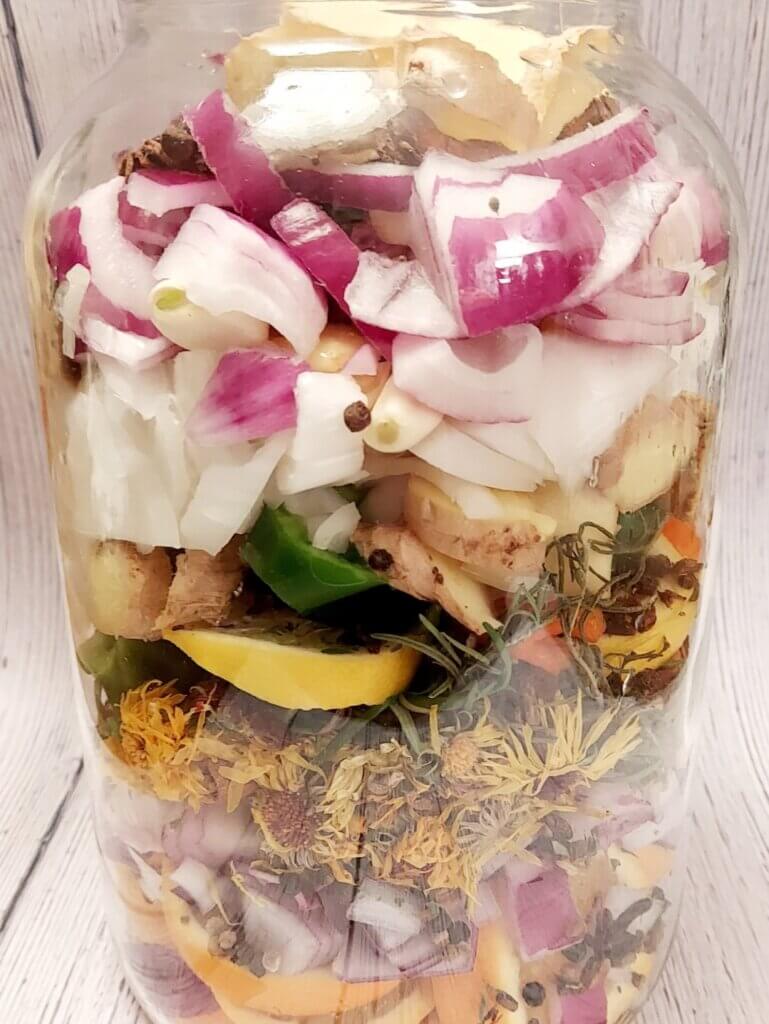
Fire Cider is a potent oxymel, combining raw apple cider vinegar, honey, and spicy ingredients to support immunity, digestion, and overall wellness. Preparing it at home ensures the use of the freshest ingredients, allowing you to tailor the recipe to your taste and health needs. Crafting Fire Cider also connects you to the natural rhythms of the seasons and the healing power of your garden. From planting and harvesting to crafting, each step nurtures both your body and spirit.
Fire Cider Recipe
Ingredients:
- 6 large garlic bulbs, peeled & diced
- 1 large white onion, diced
- 1 large red onion, diced
- 5 jalapeño peppers, diced
- 8 cayenne peppers, diced
- 1/4 cup dried thyme
- 1/4 cup dried rosemary
- 1 cup dried calendula flowers
- 2 tablespoons coriander seeds
- 1/4 cup black peppercorns
- 6 small cinnamon sticks
- 8 whole star anise
- 1 large ginger root, diced
- 2 lemons, sliced
- 5 oranges, sliced
- 2 quarts raw apple cider vinegar
- 1 cup raw honey
- 1/2-gallon wide-mouth glass jar with a lid
Preparation
1. Wash, chop, and layer all ingredients in the jar, leaving 1 inch of space at the top.
2. Add honey, then pour in apple cider vinegar to cover all ingredients.
3. Stir to remove air pockets, seal the jar, and shake well.
4. Store the jar in a cool, dark place for 30 days, shaking daily.
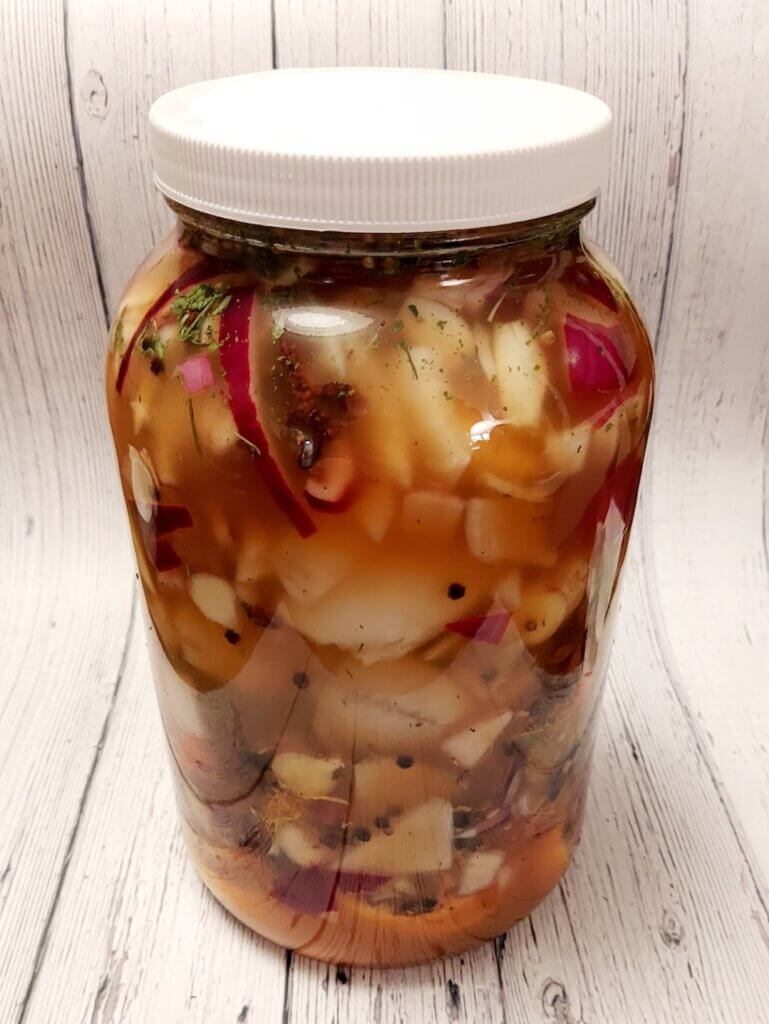
Straining and Storing
After 30 days, strain the mixture through cheesecloth into a bowl. Squeeze to extract all liquid, then pour the Fire Cider into sterilized bottles or jars. Store in the refrigerator for up to a year. Shake well before each use.
Tips for Success
Grow what you love: Choose ingredients you enjoy growing to make the process more rewarding. Using your favorite homegrown herbs and veggies adds a personal touch and strengthens your connection to nature.
Customize the flavor: Adjust the heat level by varying the type and amount of peppers.
For an expanded recipe and additional tips, visit my Instagram page: https://www.instagram.com/milkweed.and.daisies
Amy Kainz is an organic flower and vegetable gardener specializing in pollinator-friendly landscaping in central Minnesota.
You may be interested in:
4 Common Insect Pests in the Vegetable Garden
Before we even start talking about pests, let’s be clear: Most bugs are good bugs, and trying to keep your vegetable garden bug-free is not…
July Garden Checklist for Northern Gardeners
Updated July 2025 With heat, humidity and occasional rains, many gardens will be exploding by early July. Fortunately, we gardeners can enjoy them with a…
Garden Design Templates from Blue Thumb
Have you been to Blue Thumb’s website lately for their garden design templates? Find a rich assortment of plant and layout ideas to handle your site, no matter what challenges you’re up against.