


Planning Calendar
Wondering what to do when in the garden?

February
1st: It’s seed starting time! Begin with leek and onion seeds.
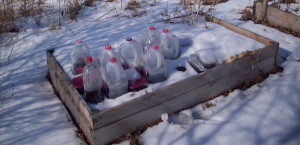
8th: Winter sow native and hardy perennial seeds in milk jugs outdoors (Webinar).
13th: Repot and fertilize houseplants.
14th: Force branches into early bloom indoors.
22nd: Scout for winter damage by the weather and critters.
27th: Start garden planning!


June
17th: Start watching for squash vine borers.
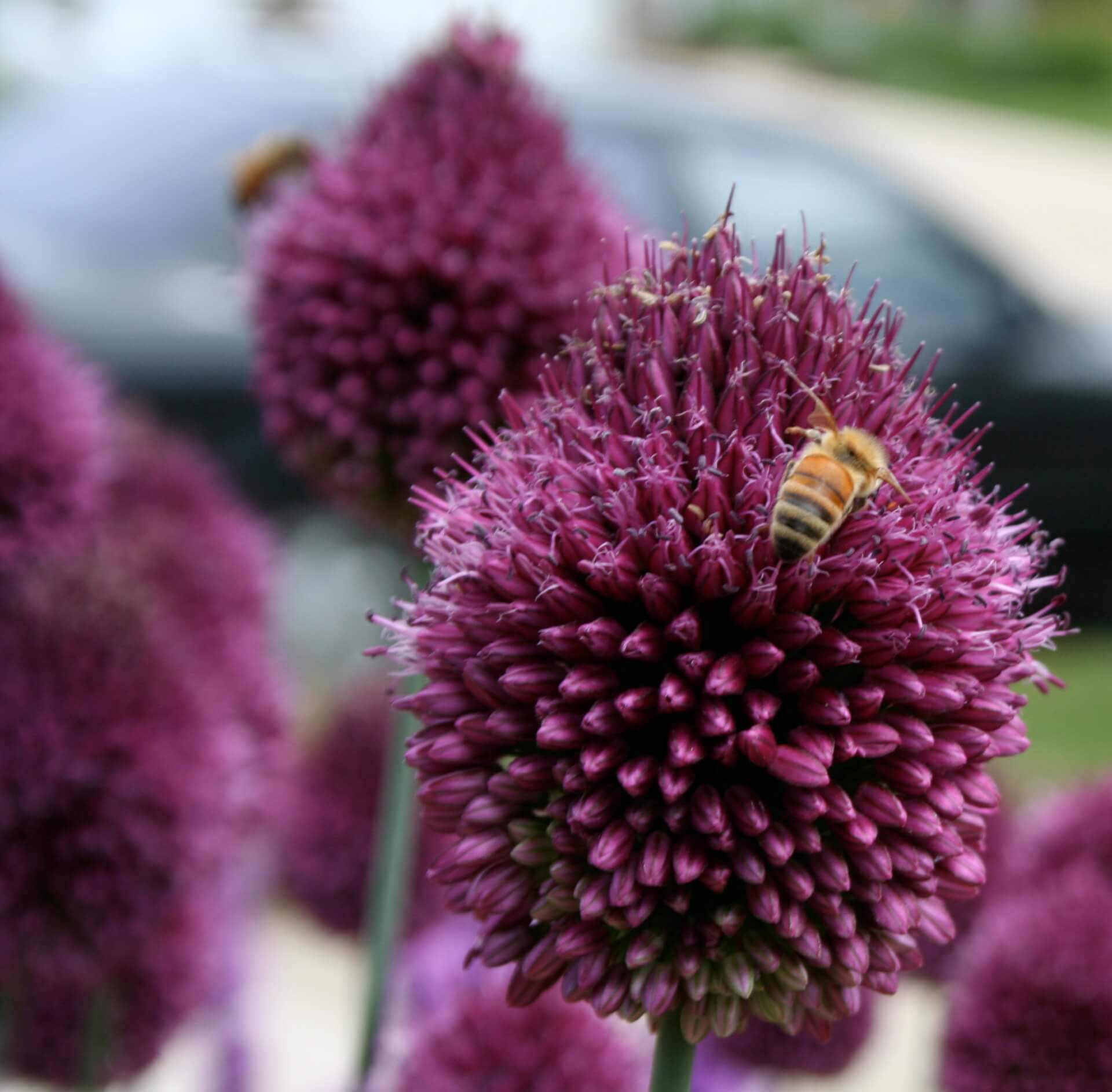
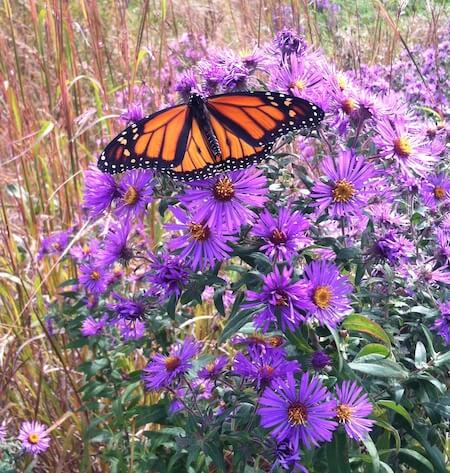
24th: Celebrate pollinator week—plant a pollinator garden!
25th: Keep an eye out for emerging Japanese beetles.
* Support Minnesota’s endangered rusty patched bumble bee: bwsr.state.mn.us/l2l
September
2nd: Take advantage of Labor Day sales to fill spots in your yard.
5th: Plant peonies before first frost—cover new plants with mulch or straw.
8th: Start transitioning houseplants indoors again.
11th: Cover or harvest basil if nighttime temps dip below 50 degrees Fahrenheit.
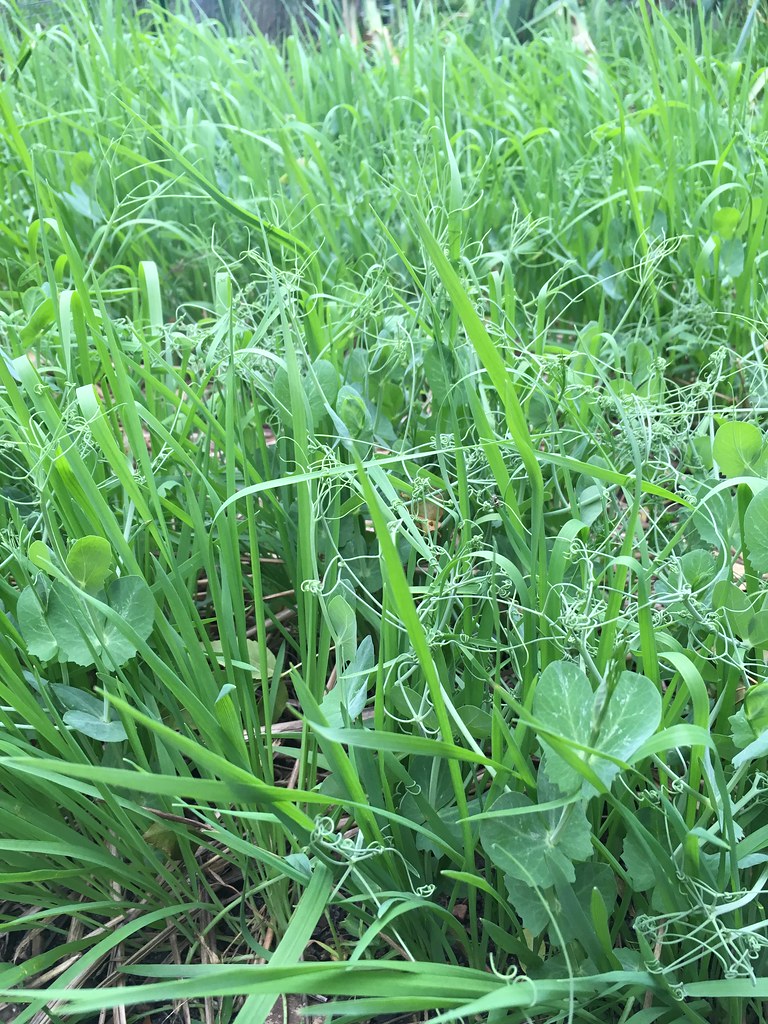
14th: Plant a cover crop to nourish soil for next year.
16th: Collect and save seeds from native plants (web series).
19th: Plant crocus and daffodil bulbs.

October
1st: Refresh pots with fall-blooming flowers, like mums.
3rd: Harvest herbs to preserve.
5th: Average first frost for the Twin Cities area.
7th: Plant amaryllis bulbs indoors for December blooms.
9th: Plant tulip, daffodil, and other spring-flowering bulbs.
12th: Keep planting bulbs, trees, shrubs and perennials.
13th: Plant seed garlic for spring harvest (video).
20th: Dig up dahlia and gladiolus bulbs to store for winter.
27th: Choose a nice day to dig up and process horseradish roots outside.
December
1st: Seed catalogs for next year start arriving!
8th: Cover strawberries with a deep layer of straw (video).
16th: Make an ice lantern.
26th: Reflect and write down what grew well (and what didn’t) for next year.