



What to Plant in October
In October, many northern gardeners’ thoughts turn to winter clean-up. But don’t scrub your trowel just yet—many plants thrive when planted in the fall, even in the North. Here are a few options to add to your shopping list to plant in October.
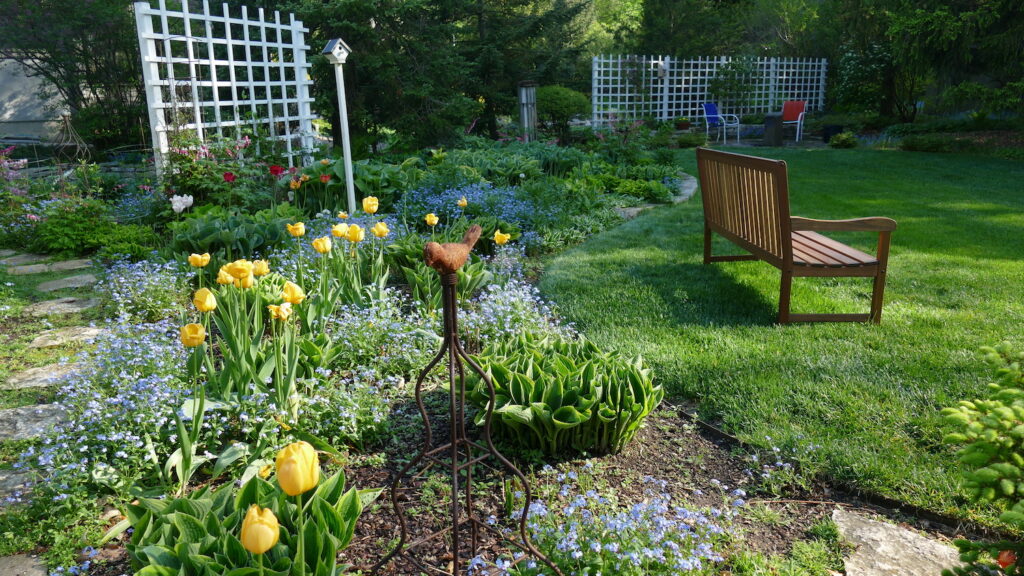
Spring-Blooming Bulbs
Of course, many bulbs can be planted in October, especially in the first two weeks of the month. Daffodils, crocus and the minor bulbs, such as glory of the snow, grape hyacinths or Iris reticulata, will have plenty of time to grow roots and get established during October’s temperate weather.
Tulips can be planted very late in the season. As long as you can dig in the soil, you can plant tulips. If you are looking for information on bulbs, you might want to check out Cornell University’s Bulb Research Program. Cornell has conducted research on many bulb practices, such as forcing or in-ground planting. One interesting tidbit: You do not have to plant bulbs as deep as many packages suggest! I was relieved to hear that since I never dig an 8- or 9-inch hole for bulbs.
Trees and Shrubs
With more moderate temperatures and a dormant period ahead of them, trees and shrubs often find fall planting less stressful than spring planting. While you can plant trees and shrubs later in the fall, if you plant in October it gives them the best chance at success; plus, many nurseries would like to reduce their stock for winter and sales are common.
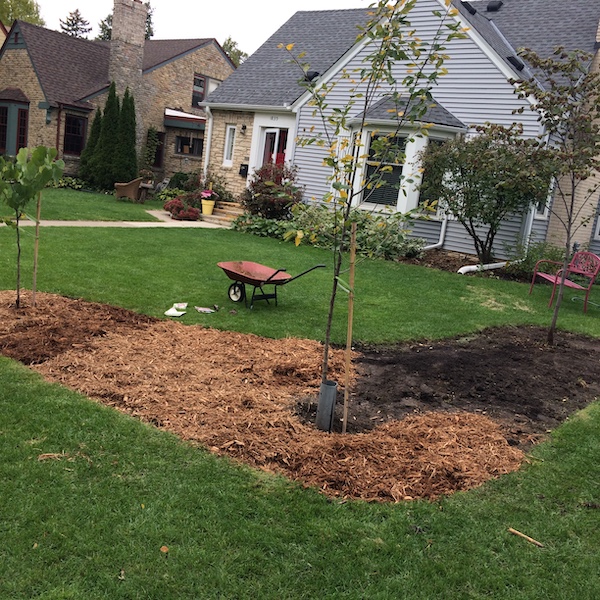
Follow planting recommendations from the nursery and get the trees or shrubs in the ground soon after purchase. Be sure to water them regularly (daily at first, then every other day) to ensure they get established and send out roots. This is especially important if you are currently experiencing drought conditions. Water until the ground freezes, then put down a 2-inch layer of mulch, which will help prevent frost heaving in the spring.
Perennials and Cold-Hardy Native Plants
Can you plant perennials and native plants in October? Well, some of them. Generally, planting in October is okay for spring-blooming perennials like peonies, penstemon and prairie smoke. Those that bloom later in the year, such as aster and goldenrod, grow better when planted in spring. With perennials, there are advantages and disadvantages to planting in October.
Garlic
Unless you have a hoop-house or other cover, fall is the end of the vegetable season, except for garlic! Plant cloves in the garden in October for a great harvest next spring. This article from Northern Gardener has all the information you need on growing garlic in Minnesota.
Cover Crops
Cover crops are essentially a living mulch that suppresses weeds in fall and spring and feeds the soil in your food garden. Many varieties need a good six weeks, at least, before the first frost, so you may need to consider this technique for your vegetable garden next year. However, if you’re not planting a cover crop that returns in the spring, you could go for a winter-kill variety like oats or peas.
What will you plant in October this year?

Mary Lahr Schier is a Minnesota gardener, writer and editor and author of The Northern Gardener, From Apples to Zinnias, 150 Years of Garden Wisdom (Minnesota Historical Society Press, 2017), winner of the Silver Award of Merit from GardenComm in 2018. For 18 years, she edited Northern Gardener magazine, the publication of the Minnesota Horticultural Society and the only magazine dedicated to gardening in USDA Zones 3, 4 and 5.

Thanks
Excellent information
Just planted a bunch of bulbs and fall perennials such as monkshood. I also transplanted some plants. What are your thoughts about transplanting in October? Thanks!
Cara — I have transplanted perennials and shrubs many times in October. (I just planted a hydrangea last week.) The safest route is to plant in early September, but if you water them well until the ground freezes, most plants will do fine. I once had an entire landscape (trees, shrubs and perennials) installed in the first week of November. Everything came through the winter fine, except for one rudbeckia. — Mary S.