



Marvelous Mints in the Garden
I love mint! Yum: peppermint patties with a delicate chocolate coating, chocolate mint ice cream, mint juleps, mojitos, mint tea, and more.
The unifier of these delectibles is the flavor of classic spearmint and peppermint. However, mints are so much more than what we ordinarily identify as mint.
The Best Mints for Your Northern Garden
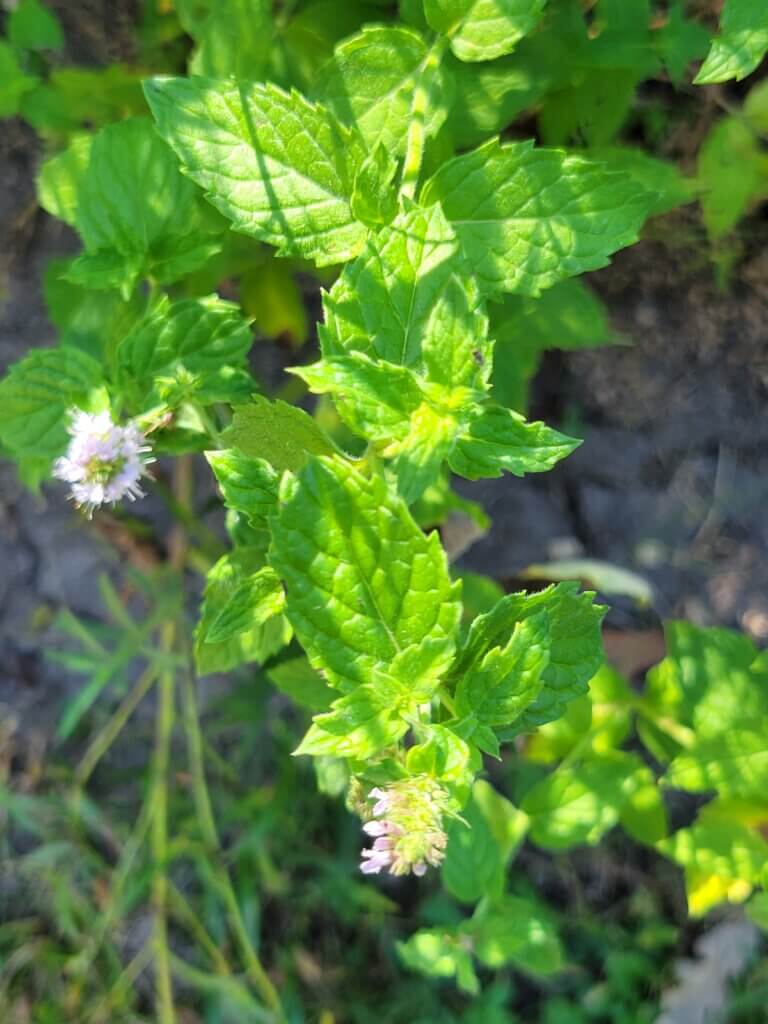
Mints make up a botanical family known as lamiaceae. The family is large, up to as many as 7,000 species. In addition to the classics of peppermint, spearmint, apple mint and chocolate mint, members of this large perennial family include the familiar basil, lemon balm (also known as Melissa), sage, oregano, anise hyssop, lavender and catnip.
The most distinctive characteristic, surprisingly not the flavor, is the square stem. Secondary to the square stem, is the tendency to take over your herb garden.
How to Stem the Spread of Mints
Mints spread by sending out underground roots (rhizomes) which form new plants. Perhaps the best method of controlling this spread is to plant them in pots or provide an underground border, such as a large can with both the top and the bottom removed. I tend to let them go where they will during the growing season and put them back in their places the next spring. Some species are far more invasive than others. Oregano requires a firm hand while lemon balm needs encouragement.
Spearmint or Peppermint?

One of the most frequent questions concerning mint is: I planted both spearmint and peppermint. How do I tell them apart?
The answer is to let your senses do the work. While both spearmint and peppermint are minty, spearmint is the more delicate flavored of the two. Spearmint also has fine hairs or fuzziness on the underside of the leaves and more texture on the upper side.
Peppermint leaves have a smoother appearance, though they don’t go so far as being glossy. If you still can’t tell after sniffing, tasting and looking at the leaves, notice that peppermint has purplish stems while spearmint stems are green. If you also have planted lemon balm and anise hyssop, your senses will distinguish these from spearmint and peppermint. Lemon balm is definitely lemony. Anise hyssop has larger leaves than the other three and offers a delicate licorice flavor and scent.
Using Mints from the Garden
Having a large representation of mints in your garden means that you have many culinary options at your fingertips. Blend your own teas. Consider flavoring meatballs, meat loaves or sausages with your own blend. Make your own pizza spice blend. Bundle herbs into herb de provence to flavor soups and stews. Infuse into vinegars. Make your own smudging and potpourri supplies. Add to soaps. And most importantly, annually test your cognitive function by identifying the mints in your garden!
Nancy Packard Leasman is a columnist, artist and gardener who maintains 40 acres in central Minnesota.
Photo credit: Mint in an outdoor garden by Thúy Lâm on Unsplash
You may be interested in:
Which Perennial Salvia is Best for Your Garden?
Dozens of salvia varieties grow beautifully in containers or in the ground as annuals. But come frost, they’re done. Some salvias, however, will overwinter in the…
4 Common Insect Pests in the Vegetable Garden
Before we even start talking about pests, let’s be clear: Most bugs are good bugs, and trying to keep your vegetable garden bug-free is not…
July Garden Checklist for Northern Gardeners
Updated July 2025 With heat, humidity and occasional rains, many gardens will be exploding by early July. Fortunately, we gardeners can enjoy them with a…