


February Garden Checklist for Northern Gardeners
Our list of February garden chores is short, but it’s also very fun. This is the time of year when gardeners have rested up enough from the past season to be excited about what they will grow in the coming year. Here are some of the February garden chores to tackle:
Plan Your Garden
The other day, I pulled out a sheet of paper and mapped out what I’m going to put where in my vegetable garden. Some gardeners we know create spreadsheets laying out their seed starting schedule, outdoor planting schedule and harvest schedule. These plans are super helpful for anyone wanting to do succession planting.
Garden planning may also include deciding where you are going to put in a new shrub or perennial border or which bed or border will get a complete re-do. Figuring out which plants you want to buy and where you’ll put them is the kind of garden dreaming we all enjoy. Use helpful online tools like Canva before you can finally get out to start putting your plan into place.

Buy Seeds
If you have not bought your vegetable or annual flower seeds yet, don’t delay much longer. You may find some popular varieties are already out of stock by mid-February. If your preferred seller is temporarily out of stock or not taking orders, consider alternative seed sources. There are many small seed companies that will be happy to take your order.
You may also want to share seeds with friends or fellow gardeners or do a plant or seed swap later in the season. Or, buy seeds from your local garden center or nursery. The only seeds to be starting now are those for onions, leeks or very long-growing annual flowers.
Winter Sow
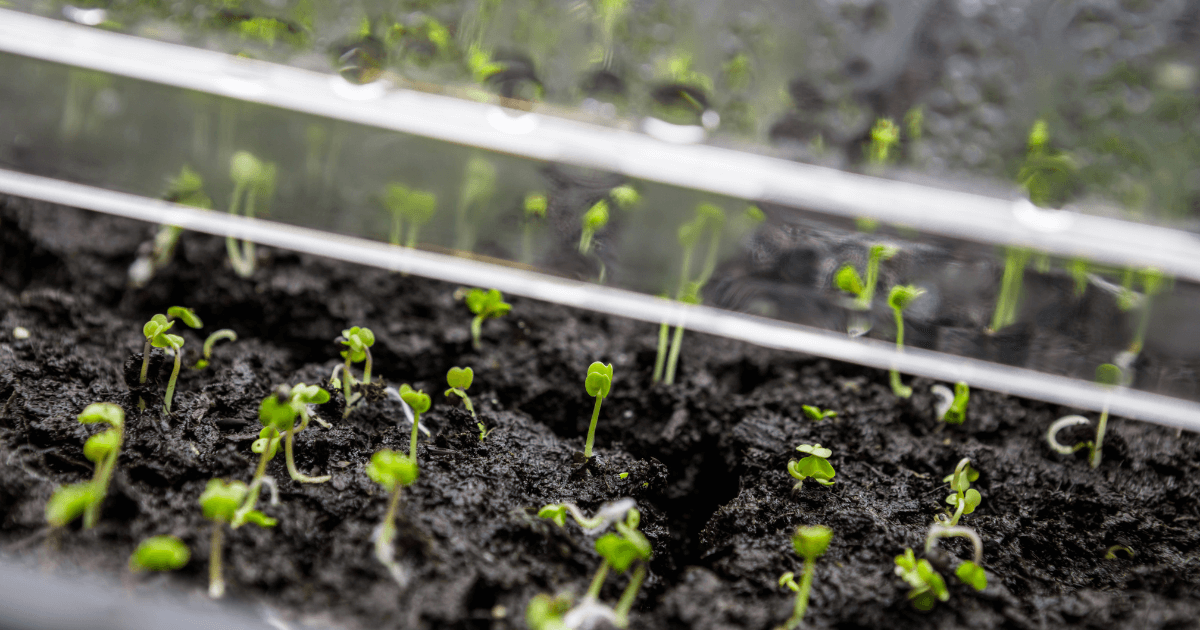
Have you tried winter sowing yet? It’s a budget-friendly way to start seeds outdoors in the winter without using lights or other equipment. With winter sowing, you create mini-greenhouses using milk jugs and other household supplies and set your seeds outside. As the weather warms, the seeds germinate. Winter sowing can be used for perennial plants as well as vegetables.
Get Your Gear Together
Now is a great time to take inventory of what you will need for the next season, especially if you are doing indoor seed starting. Are your lights working? Do you have those S hooks that always get lost between seasons? How about seed starting mix or potting mix? Next time you are at the garden center or hardware store, be sure to pick up what you will need.
Now is also a good time to decide whether you want to add more raised beds, trellises or other structures to your garden. I’m planning to build this cool standing raised bed for growing herbs and using as a cold frame.
Monitor Your Houseplants
As days get longer, your houseplants may be getting more light and starting to grow a bit. Keep an eye out for houseplant diseases and, by the end of the month, begin feeding your houseplants a weak solution of liquid fertilizer every two or three weeks for optimum growth.
Take Inventory
February is a good time to go through the freezer and pantry to see which preserved foods you should plan to eat in the next few moths. This is time when I count my bags of pesto, jars of pickles and relish and anything else that I preserved last year. If you stored squash or other vegetables fresh, check to make sure they aren’t getting soft. Most frozen or canned goods will last a year or more.
Take a Class!
Now is the perfect time to learn more about gardening. Whether you decide to become a master gardener or just want to select a few courses from our Northern Gardener School, there are multiple resources ready to help you grow ahead of the coming season.
You may be interested in:
Ask a Master Gardener: What is a Walipini?
Question: I’ve read about low-tech greenhouses that are dug into the ground and require little to no electricity for heating. Do those work in the…
May Garden Checklist for Northern Gardeners
Updated in 2022 What to do in the garden in May? The better question is what not to do as May is likely the northern…
July Garden Checklist for Northern Gardeners
Updated July 2025 With heat, humidity and occasional rains, many gardens will be exploding by early July. Fortunately, we gardeners can enjoy them with a…