


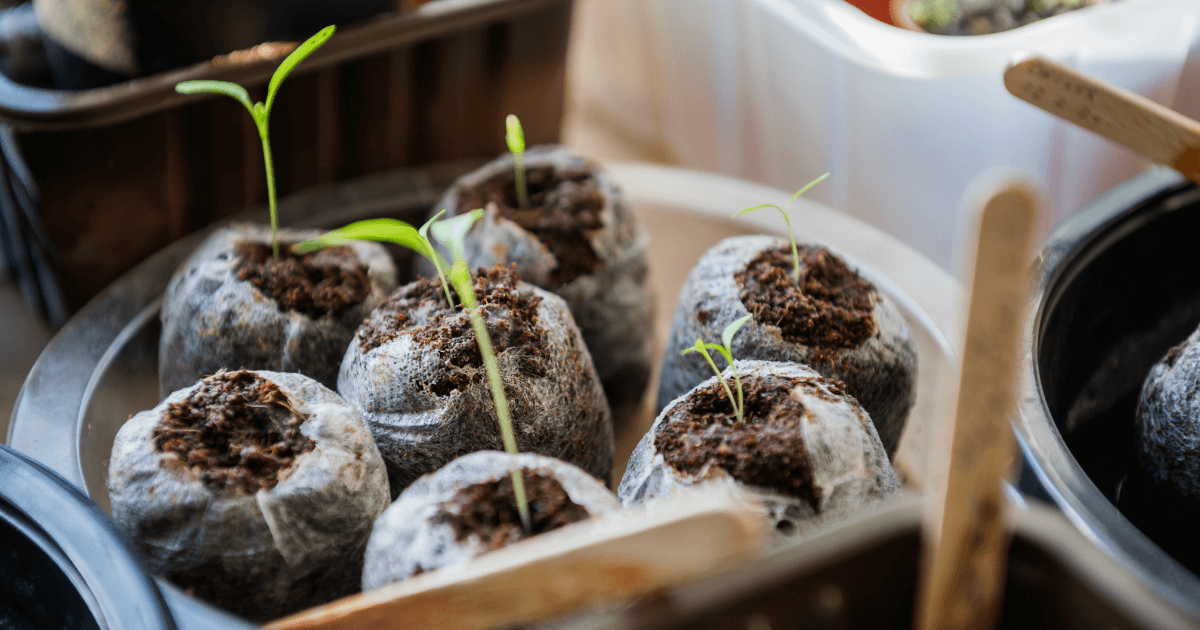
Tips for Indoor Seed Starting
There are plenty of tips from the past on seed starting that we cannot recommend anymore. Please do not heat garden soil in the oven to sterilize it! But the keys to success in seed starting haven’t changed that much over the past 150 years. Here are eight to consider.
Buy quality seeds
As Mrs. E.W. Gould, Garden Helps columnist for Minnesota Horticulturist for decades in the early 20th century said in 1913, “Remember that seeds are the least expensive item in making a garden and always buy the best.” She noted that while some seeds will continue to germinate for several years, such as Celosia, others will have a much lower germination rate as the seeds sit in storage. Pansies, for example, should be bought every year.
How early can you start seeds?
While northern gardeners love the winter sowing method of outdoor seed starting for perennials, most start vegetable seeds indoors beginning in March. In 1942, however, Mrs. E.C. Killmer of St. Paul noted that “more adventurous” gardeners can start seeds in flats in January.
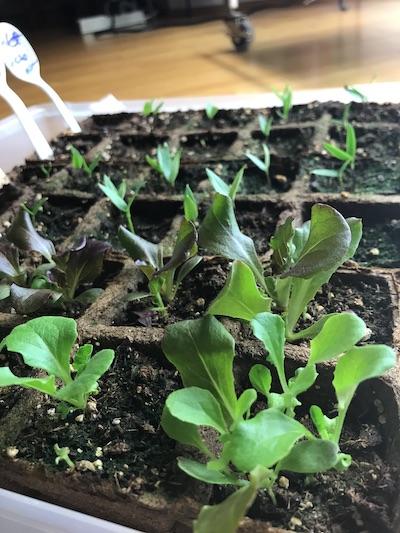
She recommended this be done with flowers, such as ageratum, verbenas, petunias and salvias. Gardeners who attempt an extremely early start will need to be extra diligent about watering, diseases and more, she noted. Today, we see gardeners starting early with vegetable crops, such as leeks and celery.
For slow-growing flowers, start seeds indoors in March. This applies to annuals such as petunia, snapdragon, pinks, verbena, ageratum, browallia and lobelia-all of which are slow to get started in the spring.
Preparing seed starting trays
You can easily reuse plastic seed-starting trays. Just wash them in hot, soapy water, then soak them for 10 minutes in a solution that is 1 part bleach to 9 parts water, according to long-time columnist Fred Glasoe.
Fred also recommended back in a 1998 article that gardeners dampen their seed starting mix thoroughly, then let it drain for a few hours before sowing. This way, the medium will remain damp for several days and not need to be watered as seeds germinate.
In the same article, Fred recommends watering seedling trays from the bottom. When the container becomes light in weight and the starting mix has a lighter color, place your seedling trays in a water-filled cake pan or dish until the medium is moist. Watering from the bottom will protect the fragile seedlings until they’re transplanted. Other gardeners from the past used clothe mats to induce capillary action and bring water to plants.
Additional Seed Starting Tips
Plant larger seeds in kitty litter! This interesting idea came from Mary Alice Simonds of Minneapolis in March 1976. Kitty litter “holds water very well without compacting. I’ve also found that pouring boiling water through the medium before I seed will reduce the chances for a later growth of algae or non-parasitic fungi over the surface of the flats,” she said.
Use a screening box to create fine soil for covering seeds. This tip is from a 1960 interview with horticulturist Archie Flack. He described his process of using a small screening box, similar to a window screen, to sift soil so it has a fine texture and doesn’t easily pack. The amount of soil to cover seeds depends on the size of seed; very fine seeds like petunia shouldn’t be covered, whereas he generally covered larger seeds just enough so they aren’t visible.
What are your favorite seed starting tips, old and new?

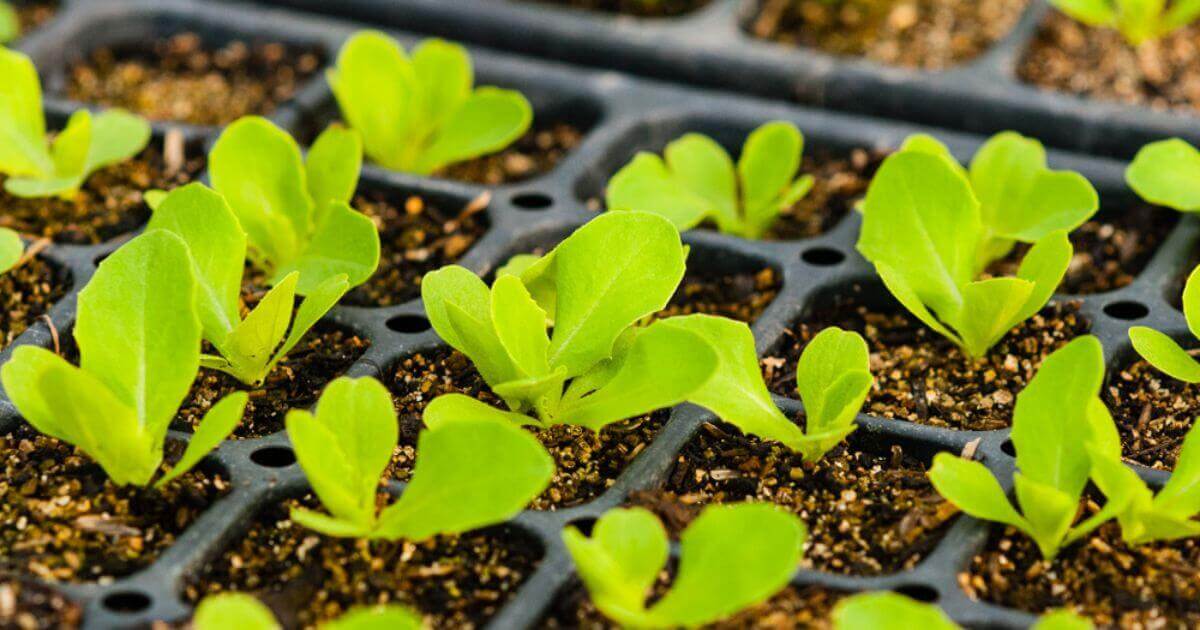

Would really love to know when I can take plastic cover off seed starting tray. Right after all seeds sprout? When first seeds sprout? How long after seedlings sprout?
Hi Betsy! Thanks for your question!
In general, we recommend removing the plastic cover on your seed tray once the majority (>50%) of your seeds have germinated. This ensures your seedlings will have the greatest chance of survival in the long run by preventing issues caused from keeping the tray lid on too long, such as damping off or root rot.
Hope this helps, and good luck!