



Rain Garden Rockstars
Fall is a great time to plant rain gardens, as the cooler temperatures make it pleasant to work outside and plants have time to establish before winter. Rain gardens are designed to capture potential pollutants in runoff from buildings, roads and other hard surfaces before they reach rivers, lakes and wetlands. Rain garden plants must tolerate moist soil and filter out potential
contaminants. Because these plants are often native plants, rain gardens benefit pollinators and attract wildlife. Once established, they are also low maintenance.
Before You Plant
Naturally low areas make the best sites for rain gardens, though you can create berms and low areas to collect runoff. Rain gardens need to be at least 10 feet away from any building or basement to prevent water from entering these structures. You also want to steer clear of septic fields, water wells or utility lines and check with Digger’s Hotline before digging.
Testing soil for water absorption is another important step. A rain garden that holds water for more than two days will drown plants and become a breeding ground for mosquitos. To determine the water’s absorption rate, dig a hole about 10 inches deep near your potential site and fill it with water. If the water is gone within two days, you can use the site for a rain garden.
An average rain garden will absorb runoff from an area three times its size. Most rain gardens are 100 to 300 square feet. Many rain gardens are designed in the shape of a crescent or kidney, but you can also create a rectangle if your garden is between structures, like a house or sidewalk.
Selecting the Plants
When choosing plants, consider the tiers of the rain garden. Plants in the bottom tier of the garden will naturally experience wetter soil, while plants in the upper areas will have better drainage
and drier conditions. To keep your rain garden attractive each season, select plants with different
bloom times and plant clusters of each species instead of individuals. Use a variety of plants with different sizes and textures to carry the eye across the space. Many rain gardens have only
perennial flowers, but you can also incorporate shrubs and small trees.
One more thing to consider: leave your perennials up in winter to help pollinators and retain structure in the garden for winter interest. Choosing plants for a rain garden is that simple! These gardens check off all the boxes with ease of maintenance, environmental benefits and year-round beauty.
Great Rain Garden Plants

Plants for wet or moist soil
- Black chokeberry (Aronia melanocarpa)
- Swamp milkweed (Asclepias incarnata)
- New England aster (Aster novae-angliae)
- Bebbs sedge (Carex bebbii)
- Bottlebrush sedge (C. comosa)
- Lake sedge (C. lacustris)
- Red-osier dogwood (Cornus sericea)
- Joe-pye weed (Eupatorium maculatum)
- Prairie blazing star (Liatris pychnostachya)
- Cardinal flower (Lobelia cardinalis)
- Great blue lobelia (L. siphilitica)
- Switchgrass (Panicum virgatum)
Plants for upland (drier) soil
- Prairie wild onion (Allium stellatum)
- Big bluestem (Andropogon gerardii)
- Blue grama (Bouteloua gracilis)
- Pennsylvania sedge (C. pensylvanica)
- Bush honeysuckle (Diervilla lonicera)
- Purple coneflower (Echinacea angustifolia)
- Prairie smoke (Geum triflorum)
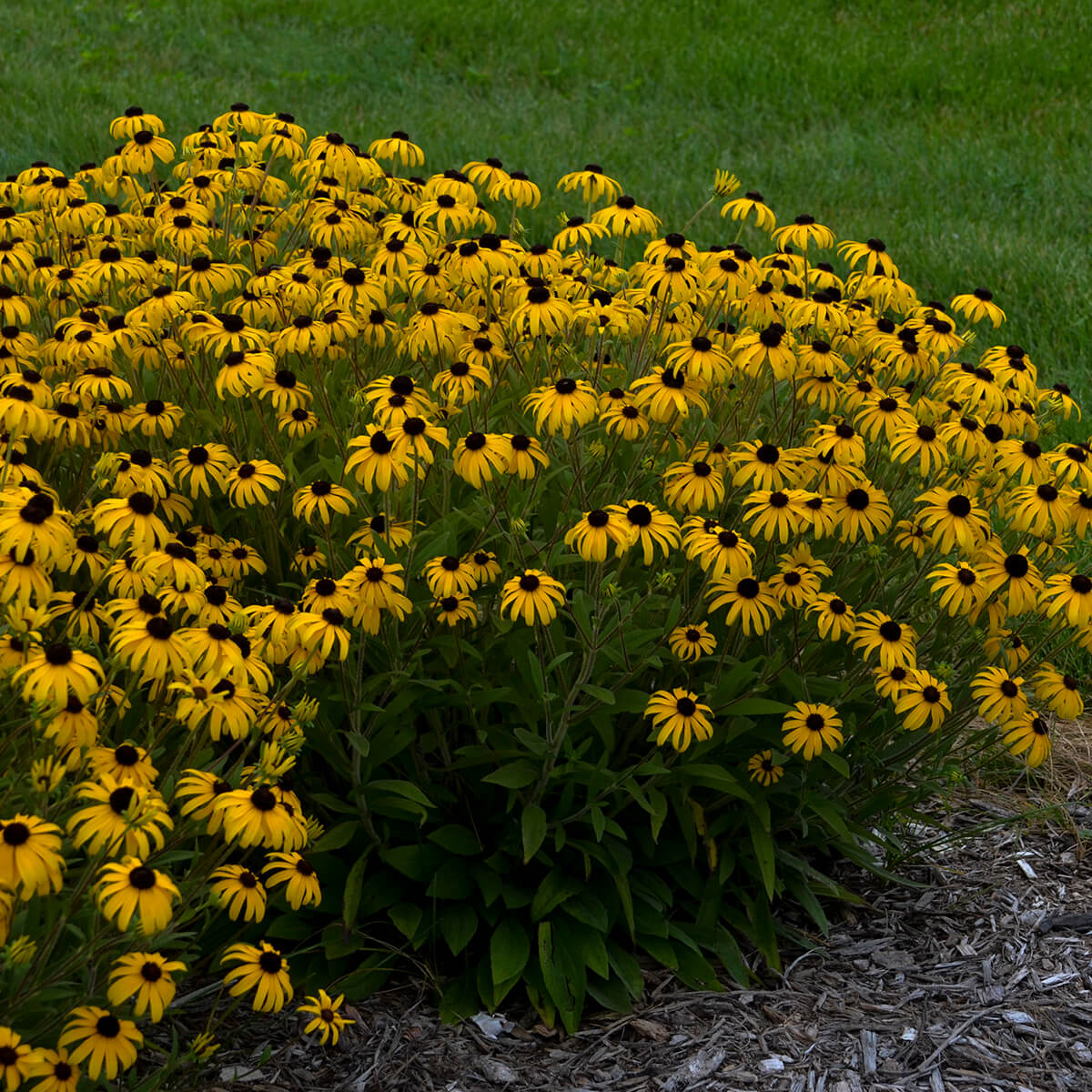
- Black-eyed Susan (Rudbeckia hirta)
- Highbush cranberry (Viburnum trilobum
This article originally appeared in the Fall 2023 edition of Northern Gardener® Magazine.

Matthew Olson is a professional horticulturist and garden writer based in Wisconsin.
mattolsonhorticulture.com


Thank you ! very interesting and helpful.