



Getting Rid of Houseplant Pests
Do you get bugs on your houseplants? It can be extra frustrating to deal with pests inside, where they have no natural predators. Common houseplant pests include scales, mealybugs, spider mites, fungus gnats and aphids. The best ways to get rid of them vary. For example, with fungus gnats, the infestation may wear itself out if you let the soil dry out completely between waterings for a month or two. The lack of water disrupts the gnats’ habitat and life cycle.
Scales often require a combination of spraying with soapy water or neem oil and scraping off the waxy adults with your fingernail. It’s gross, but effective. Just be sure to set the houseplant that you’re treating on a patio or driveway, away from other plants that pollinators might visit. Dead of winter? Set the houseplant on some newspaper in a well-ventilated area like a bathtub with the bathroom fan running.

Integrated Pest Management
With integrated pest management, the goal is to use the least destructive method possible to get rid of the pest. In most cases, you will not need to blast it with a heavy-duty pesticide. Disrupting the pest’s life cycle will often be enough, and the best way to start is by identifying the pest you have. Look at photos of common houseplant pests and take it from there.
What about natural ways to control houseplant pests? I am a big fan of insect predators in my vegetable garden but the prospect of letting a bunch of ladybugs or wasps loose inside my house is off-putting. I do try to co-exist with my household spiders, in hopes of some natural pest control, but there’s a limit to how much I can tolerate.
There are greenhouse products that can help with widespread infestations of houseplant pests—one example is BioBee, a company that produces parasitic and predatory insects that feed on most of our least favorite houseplant pests, such as spider mites and white flies.
Preventing Pests
Prevention is truly the best way to avoid bugs on your houseplants. Choose bagged potting soil and amendments for your houseplants. The majority of my houseplant pest problems were eliminated when I stopped using homemade compost for my containers. When you see a pest or problem, isolate that plant from the others to prevent spread.
Secondly, mind your watering practices. Only purchase and use pots that have a drainage hole, and allow soil to dry out between waterings. Houseplants usually need less water during our cold winters, though they appreciate some indoor humidity. Feel the soil with your fingertips before watering. More houseplants are killed by overwatering than underwatering, and overwatering can lead to rotten roots, which attract more pests.
Always keep the tags that come with a new houseplant, and inspect your plants every week. If one seems to be struggling, move it to a different spot in your house. I had a monstera in an east window that stayed alive, but never thrived or grew the characteristic large, split leaves. I moved it to a south window and, in a matter of weeks, it showed signs of being much happier—it is now
sporting beautiful monstera leaves.
If you have a favorite plant infested with bugs, take a cutting from a healthy area to propagate, then throw out the rest of the plant and its soil. Houseplants have many benefits. Keeping them healthy and free of bugs is worth prioritizing.
This article originally appeared in the Winter 2023 edition of Northern Gardener® Magazine.
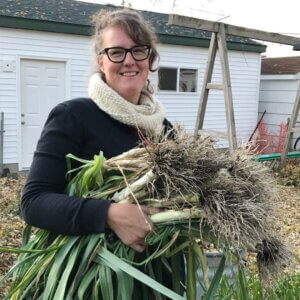
Jennifer Rensenbrink is a University of Minnesota Extension Master Gardener Volunteer for Hennepin County. She somehow has two mini-prairies on her tiny south Minneapolis property.
You may be interested in:
Houseplant ER
It doesn’t take a plant pathologist to know when a houseplant is in peril. Yellowing leaves, drooping stems, dropped flowers— these are all telltale signs…
4 Common Insect Pests in the Vegetable Garden
Before we even start talking about pests, let’s be clear: Most bugs are good bugs, and trying to keep your vegetable garden bug-free is not…
Houseplant Propagation: Make More Houseplants!
Get specific, straightforward information on how to propagate your indoor plants from the University of Minnesota. Make more houseplants!