

Your Seed-Starting Calendar for Northern Gardens
Snow is swirling, temps are far below freezing and the dormant garden is sleeping peacefully. This can only mean one thing: irrepressible gardeners in the North are getting ready to start seeds.
One important caveat right off the bat? The specifics of seed starting (and, consequently, the specifics of your seed-starting calendar) will vary depending on your unique location, your USDA zone and the variety of seeds you’re planting. So, while it would be nice to be able to tell you to start your tomato (or cucumber or zinnia) seeds on a specific day for perfect results, we’re going to have to take a more generalized and realistic approach. And that’s okay because gardening is all about flexibility and going with the flow, right?
Month-by-Month Seed-Starting
Let’s say the last frost date for your location is May 15th and you primarily plant vegetables. With that target date in mind, your seed-starting calendar might look like this:
- January: Put those seed catalogs to work for you and start shopping. Gather and prepare the items and tools you’ll need to start seeds indoors.
- February: Start onion and leek seeds indoors.
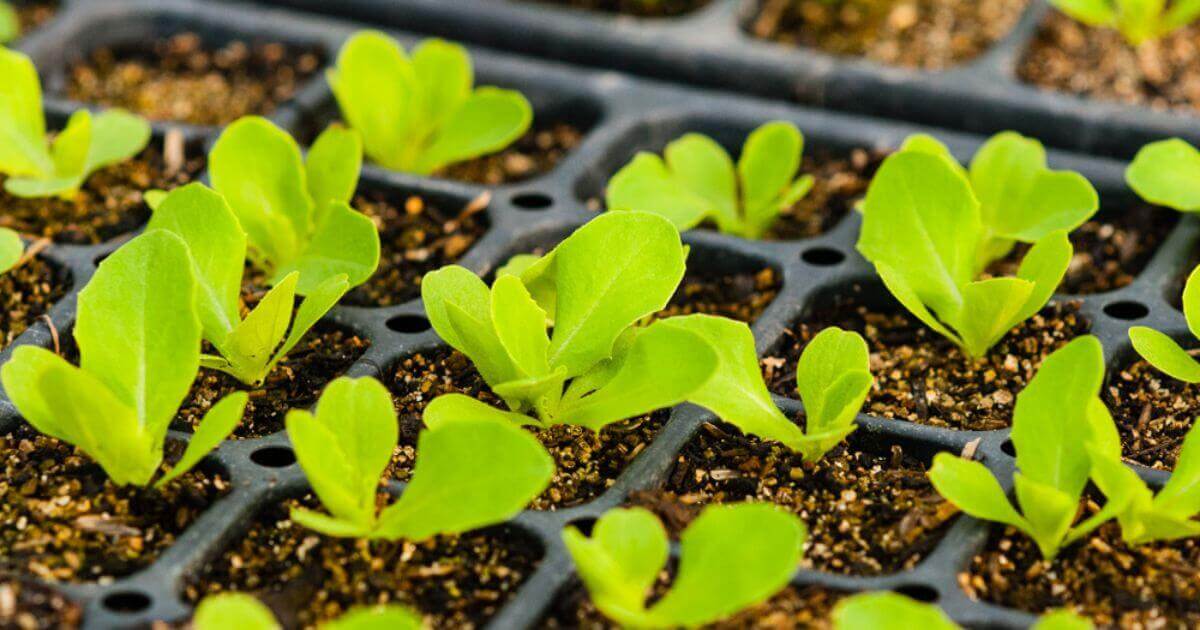
- March: Start seeds indoors for brassicas, lettuce and, at the end of the month, peppers.
- April: Continue starting pepper seeds indoors. Add tomato, eggplant and cucumber seeds.
- May: Start seeds indoors for watermelon, squash and pumpkins. At the appropriate time, begin transplanting seedlings outdoors and watch them thrive. Direct sow other crops like beans, peas, carrots and corn outdoors as directed for each in accordance with the last frost date.
 Onions need a very early start date to have enough time to grow in our cold climate
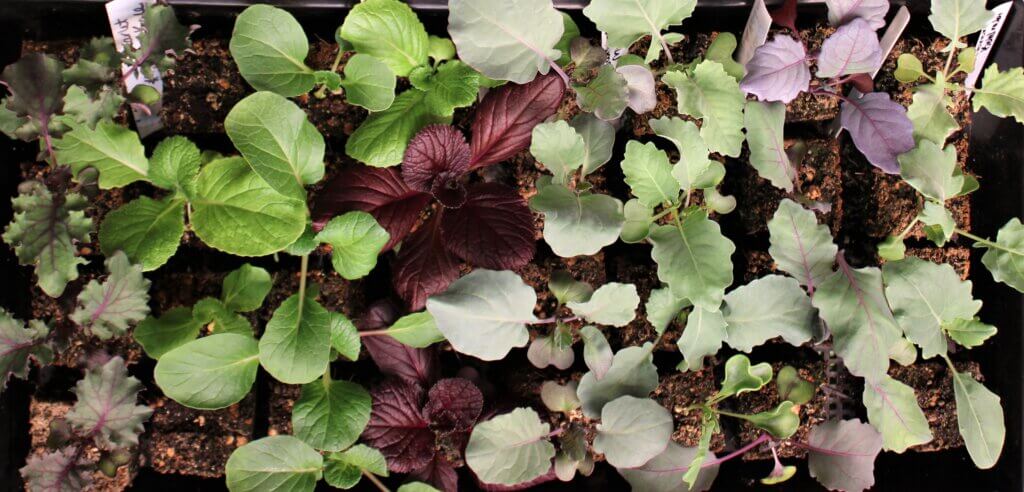 Brassicas can get started in March for a cold season transplant in April/May.
 It’s best to start heat-loving plants like peppers and tomatoes indoors to get going while it’s still too cool outside.
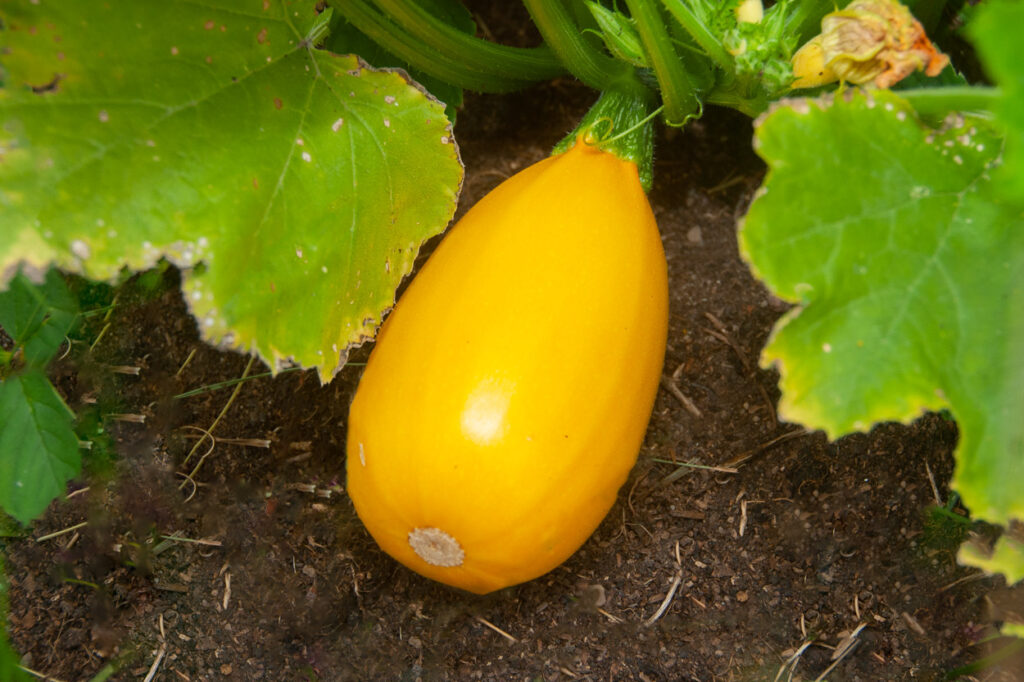 Starting squash indoors is up to you; they also do well with direct garden sowing.
How to achieve the most success starting seeds
- Know your zone. Better yet, know the nuances of your location. Over time, you’ll learn whether or not it’s worthwhile to gamble with your last frost date or if it’s generally accurate for your location. This, in turn, will affect the timing of your seed-starting calendar because it will allow you to even more closely fine-tune your plantings.
- Explore online seed-starting calculators. The internet is filled with fun garden planners and calculators and these can handily help you determine the ideal planting dates for the plants you want to grow, based on your zone or zip code.
- Contact your county extension office for advice directly from gardeners near you and that’s specifically tailored to your location.
- Go shopping! Websites like Etsy have great selections of colorful and customizable garden planners and calendars that can make it a joy to calculate and figure your seed-starting schedule.
- Keep detailed records. Make note of the dates you plant seeds throughout the season and take note of germination times, dates of transplant, etc. This information will be valuable when planning future seed-starting calendars and will save you time and effort.
Enjoy this exciting time of the year! Before long, our seed trays will be filled with adorable baby plants just waiting for their turn to grow big and tall in the garden. Have fun!

Samantha Johnson is the author of several books, including Vegetable Gardening for Beginners: Learn to Grow Anything No Matter Where You Live (New Shoe Press, 2023). She writes frequently about pets, gardening and farm life.
Featured photo credit: Paulette Johnson, Fox Hill Photo.
You may be interested in:
Starting Seeds Indoors
Are you excited for gardening season and can’t wait to get your hands dirty? Start seeds indoors with step-by-step instructions from the University of Minnesota Extension.
Seed Catalogs 101
The snow squeaks under your boots as you trudge through the drifts to the mailbox. It’s only December, but you’re already growing weary of the…
Starting Annuals from Seed
While many gardeners enjoy starting vegetables from seed, starting annuals from seed is fun and easy, too. Some tender annuals—zinnias, marigolds, calendulas, salvias, cosmos, morning…