


Your Plant Propagation Toolkit
Invest in a few basic tools to increase your chances of successful transplants.
Quality propagation tools are the backbone of gardening success; they ensure clean, disease-free cuts and create ideal rooting environments. Selecting durable, sterile equipment minimizes the risk of rot and maximizes your number of thriving transplants.
Best tools for digging out perennials
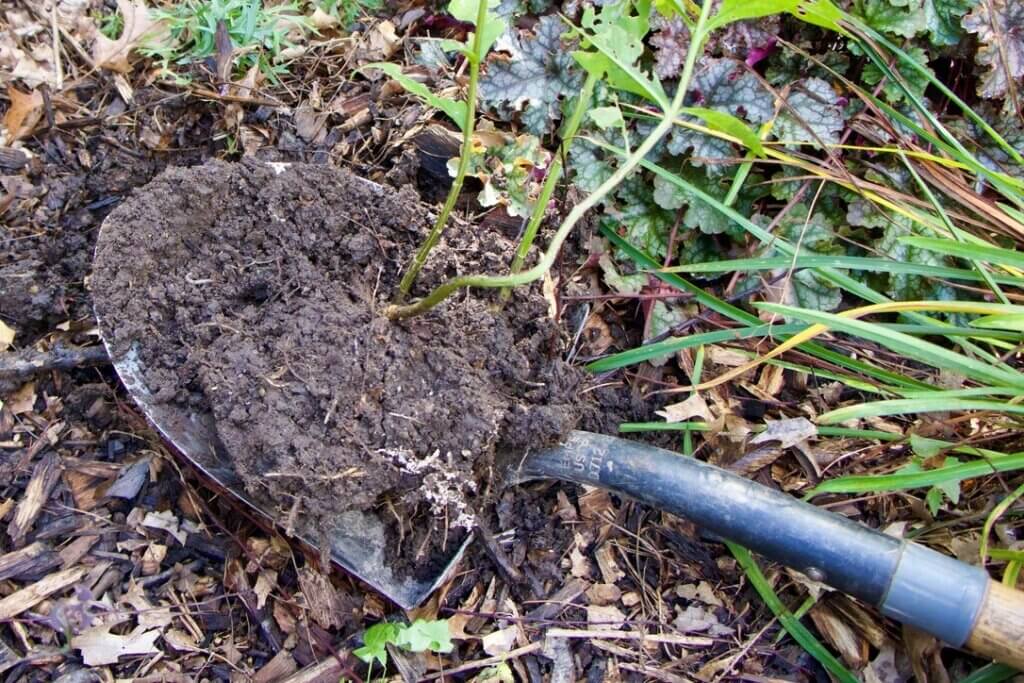
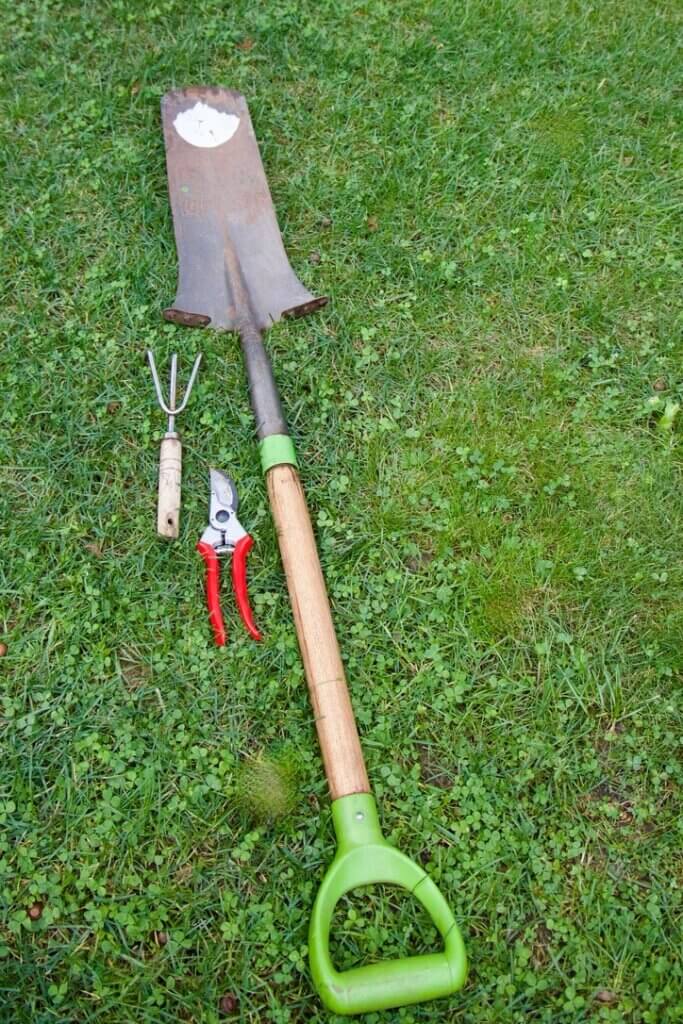
My favorite propagation tool is a shovel with a pointed tip, but many gardeners swear by a transplanting spade—a long, narrow shovel—for digging up plants. The goal of any shovel is to cut cleanly around the roots with minimal disturbance to the host plant, so make sure the shovel edges are kept sharp. A Hori-hori knife is another gardener favorite, offering precision cutting for smaller tasks, while a bulb transplanter is useful for collecting and moving bulbs.
Cutting and Pruning
Sharp, sterile tools are crucial for creating clean wounds that heal quickly. If you own only one propagation tool, it should be a pair of bypass pruners. Unlike anvil-style pruners, which crush the stem, bypass blades overlap like scissors to provide a clean, surgical cut. Other helpful tools include loppers for thicker stems and pruning knives for notching branches during layering. Snips are also excellent for soft perennial or annual tip cuttings because they do not crush delicate stems.
To keep these tools effective, maintain them by filing the edges periodically and disinfecting them in a 10% bleach solution. Many experts also recommend keeping 70% isopropyl alcohol on hand to quickly sterilize blades between cuttings.
Using a rooting hormone with new cuttings
While it is possible to propagate without rooting hormone, studies suggest it can double your success rate. This powder is inexpensive and widely available. When inserting a stem into soil, use a dibber or a pencil to “pre-drill” a hole wider than the cutting. This prevents the hormone from rubbing off against the soil during insertion. Alternatively, use a small brush to apply the hormone directly to the nodes (where roots emerge) to ensure a thin, uniform coating that adheres better than dipping alone.
Selecting rooting media and containers
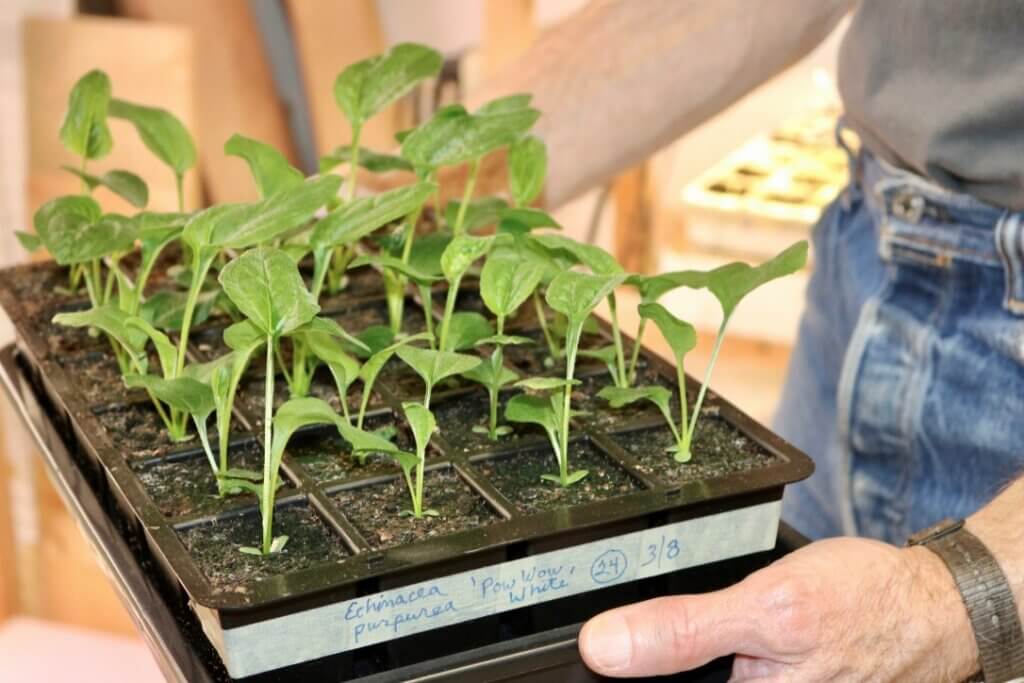
Whether you are dividing houseplants or starting seeds for spring, sterile, well-draining media is essential. A perlite-peat or sand-vermiculite blend provides the ideal balance of aeration, moisture, and support. For detailed guidance on starting seeds and the equipment needed, refer to the University of Minnesota Extension guide on starting seeds indoors, available online.
More useful tools for plant propagation
Several other aids can help maximize transplanting success:
- Humidity and Heat: Humidity domes or plastic bags replicate ideal rooting conditions, while waterproof heat mats encourage faster seedling growth.
- Landscape Pins: Metal pins keep stems in firm contact with the soil during layering.
- Garden Claw: These are surprisingly effective for prying apart stubborn root divisions.
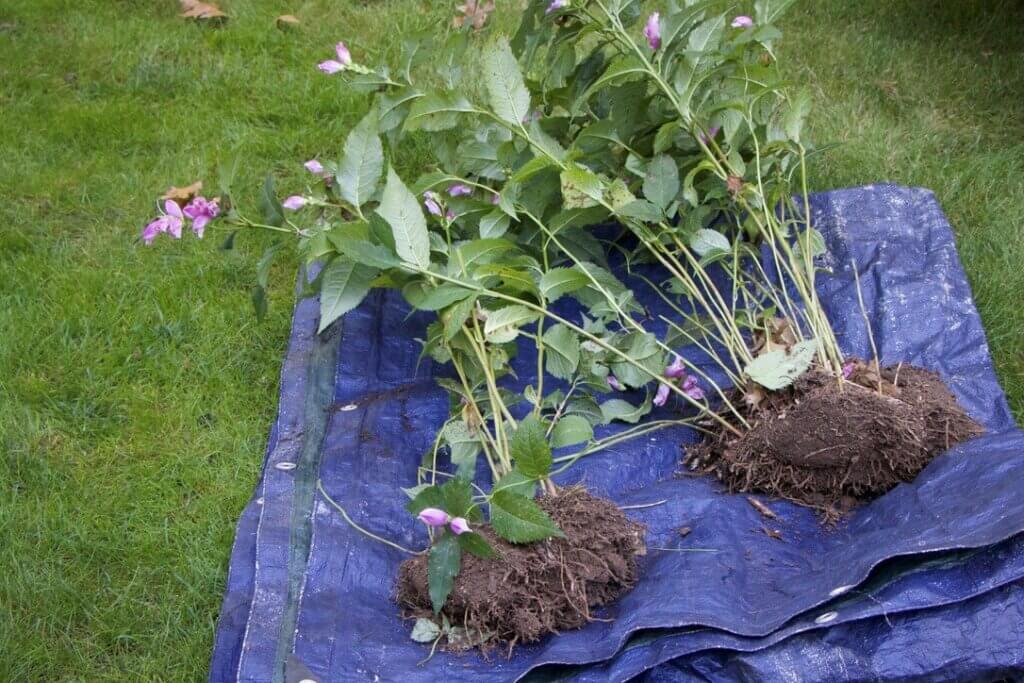
- Tarps: Lightweight and colorful, a small tarp is a gardening essential.
Investing in quality equipment pays dividends by helping to produce vigorous new plants. Begin your toolkit with a highly-rated bypass pruner and a reliable shovel; you’ll be off to a good start.
Additional plant propagation resources
A great resource for further information is The Plant Propagator’s Bible by Miranda Smith. It’s a practical, step-by-step guide focused on home gardeners.
When working with native plants, consult the Native Plant Network (NPN) Propagation Protocol Database, a specialized database created by the USDA Forest Service.
Want to know our favorite plants for propagation? Check out this handy list!

Diane McGann is an award-winning writer who maintains perennial and shade gardens on 4 1/2 acres in Stillwater, Minn.
You may be interested in:
Propagation Plant List for Northern Gardeners
Featured above: Many tender rose varieties are grafted to hardier stems to help them survive in northern climates. Want to grow your garden without spending…
Preparing Plants for Propagation
Successful plant propagation starts long before you make your first cut. By combining the tips below with the advice from recent Northern Gardener articles on how to…
Book Review: Gardening Complete
This review by Julie Jensen originally appeared in the January/February 2019 issue of Northern Gardener. As you plod through the gardening off-season, you may wish…