



Fall Planting: How Late Can You Go?
Fall is a great time for planting. As we get past mid-October, though, the question is how late in the season can you plant?
Many years ago, I had an entire landscape installed in the first week of November! When I asked the landscaper about whether late fall planting was a good idea, he assured me that as long as I watered consistently until the ground froze and then continued to water again in the spring, everything would be fine. He was right!
All the plants— trees, shrubs and perennials—took and grew the next year. This was a landscape filled with native and very hardy trees, shrubs and perennials, so it was well suited to fall planting.
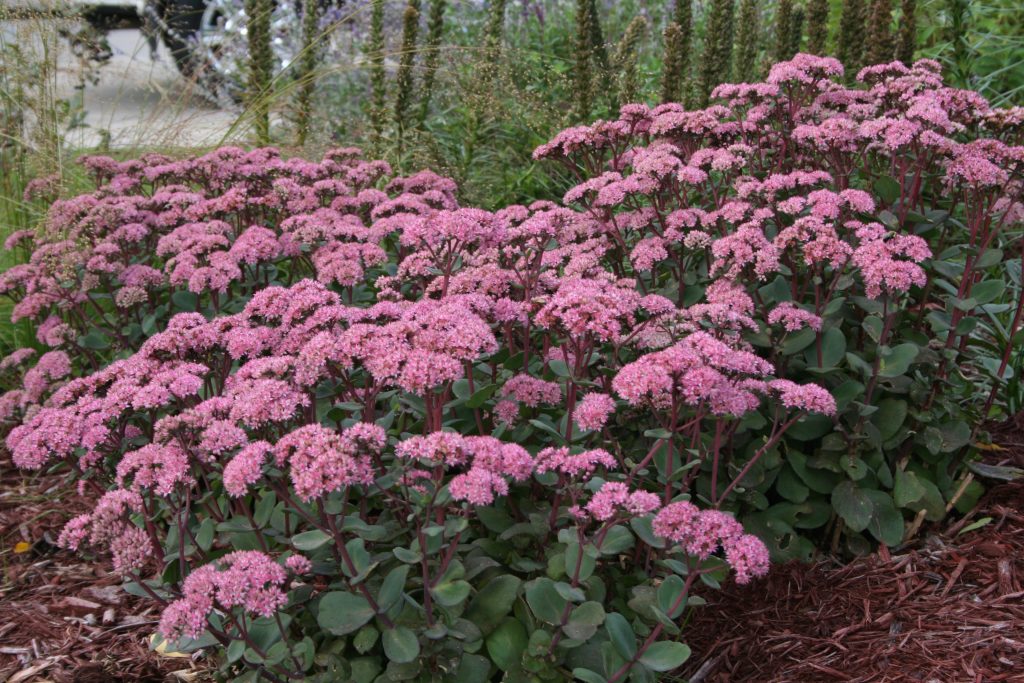
Here are 5 reasons to be planting perennials in fall:
- Softer Weather. May weather is all over the place in Minnesota. Snow one day, 90s the next and all that jumping around can be tough on newly planted perennials. In fall, the temperatures are less likely to make 30 degree swings in the course of a day or two. So, with regular watering, you plant isn’t overly stressed as it settles into its new home in the garden.
- Design Clarity. Autumn is the perfect time to look around the garden and see where the holes, the bad-looking spots and the poorly performing plants are. Those are the places that need something new or need something moved. Example: I have a very pretty peony that is tucked into a corner in my backyard, near a ninebark on a standard and another peony. The placing is too tight (my bad!) and the peony inevitably gets powdery mildew after it blooms. I’ve got a nice airy spot in the front yard, where it’s going to be transplanted this month.
- Divide and Conquer! Fall is also the best time to divide perennials that might be overgrown, especially those that bloom in the spring. Irises, allium, salvia, daisies and many more can be divided in fall. Share the divisions or plant them in your own garden. The University of Minnesota Extension has a helpful information sheet on when to divide different perennials.
- Less Work. Not that planting perennials is any less work now than in the spring, but generally gardeners are less rushed in fall. I’ve been following the not-so-much cleanup routine for several years and find that not only is it good for wildlife and insects, it’s beneficial to the gardener’s back.
- Smaller Watering Window. New perennials (and trees and shrubs) need to be watered regularly as their roots get established. With fall planting, that watering window may be only a few weeks. The winter arrives, the plants freeze in place, and come spring they are ready to go.
When planting in fall, be sure to add a layer of mulch around the plants. The goal of the mulch is not to protect the plant from cold temperatures but to even out the temperatures in spring so the plant doesn’t thaw and then freeze again and experience frost heaving, which can cause serious damage or death to the plant.

Disadvantages to Fall Planting
Now, it’s not all roses planting perennials in fall. Selections at nurseries will be much less diverse than in the spring, and some of those plants have been sitting in their black, plastic pots for months. Definitely plan on some root pruning!
Another disadvantage is you could be caught by a cold, dry winter. If we have very cold temperatures and little snow, your newly planted perennials may suffer. That’s why it is important to do the watering and add some mulch to protect the roots.
Additionally, not everything can be planted in late October or November. The University of Minnesota recommends that spring-blooming bulbs, for example, be planted by mid-October. If you are dividing perennials you already have planted, divide spring and early summer perennials in fall and fall-blooming perennials in spring, the U of M recommends.

One last, big incentive to plant in fall is that many nurseries have great deals on trees, shrubs and perennials as the gardening season wraps. Check out our Discount Partner list for high-quality nurseries that cater to northern gardeners.
Want to learn more? Read up on when to plant ornamental and edible plants depending on the type of plant.
Can I still plant zone 4 perennial seed?
If you are going to plant seed in the fall, it’s best to wait until late September or October so the seed does not sprout too soon. Here’s a helpful article: https://www.americanmeadows.com/fall-planting-is-best
We have Hydrangeas in pots that need to be planted but don’t know if we’re to late .
It’s getting late for them to root in in the ground. You might want to dig the hole where you want the plant to go, and then place the pot there until spring.
Hello could I just leave it in the pot..?? And wait to plant in the spring instead of digging hole and plant it with the pot..?
I have a need to plant two trees to honor the loss of two babies. What can I plant now – before the ground freezes?
It’s not the best time to plant trees, but if you must, choose something native to Minnesota and make sure to water it regularly (like daily) until the ground freezes. Our condolences on your loss.