


Tomatoes, Bee Plants and Bluebird Houses
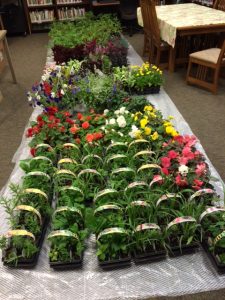 That’s just part of what you will find at the MSHS Open House to be held 9 a.m. to 1 p.m., this Saturday (June 4) at the MSHS office, 2705 Lincoln Dr., Roseville. This annual event is a fundraiser for MSHS and a chance to pick up unique garden decor and plants.
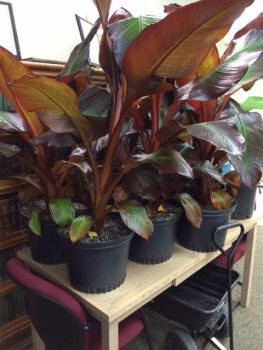
The plants include the MSHS 150th Anniversary pollinator packs, which feature a selection of bee plants as well as plants loved by Monarch butterflies and other pollinators. Also for sale will be Assorted veggies, including heirloom tomatoes, a wide variety of perennial plant plugs, lily bulbs, large banana plants, annuals and tropicals and hanging baskets.
 The heirloom tomatoes are raised by our own Mr. Tomato Guy, Tom McKusick. Each year, Tom starts hundreds of tomato plants, including many unusual varieties. These are sturdy plants that bear tasty fruit. Tom will do a presentation on heirloom tomatoes at 10 a.m., too.
At 11:15 a.m., the folks from the Bluebird Recovery Program will talk about how to help bluebirds. They will also be selling bluebird houses. Other vendors at the event include:
- Skycastle Bird Houses
- Joyelli Jewelry
- Funny Looking Horse Pottery
- Western Imports, iron garden art (not MN-made)
- Plus there will be in-store specials at the MSHS Bookstore, with 50 percent off clearance books and gifts
Finally, we’ll be offering $5 off membership, plus a mystery plant and gift bag.
It should be a great event to celebrate the beginning of June and the 150th anniversary of MSHS. Please join us.
You may be interested in:
Bumble Bee Nest Quest- public participation science to aid bumble bee conservation
Learn more about bumble bees and help contribute to their conservation with Bumble Bee Nest Quest and the University of Minnesota Extension.
7 Plants to Attract Bees to the Garden
Honey bees get a lot of attention and credit as hardworking pollinators, and we all understand the benefits of keeping a hive or two of…
Climate Resilient Pollinator Plants for Minnesota
This is a short list of pollinator-friendly and climate-adaptive plants, compiled by the experts at the University of Minnesota Bee Lab, that provide food and shelter for Minnesota pollinators.