


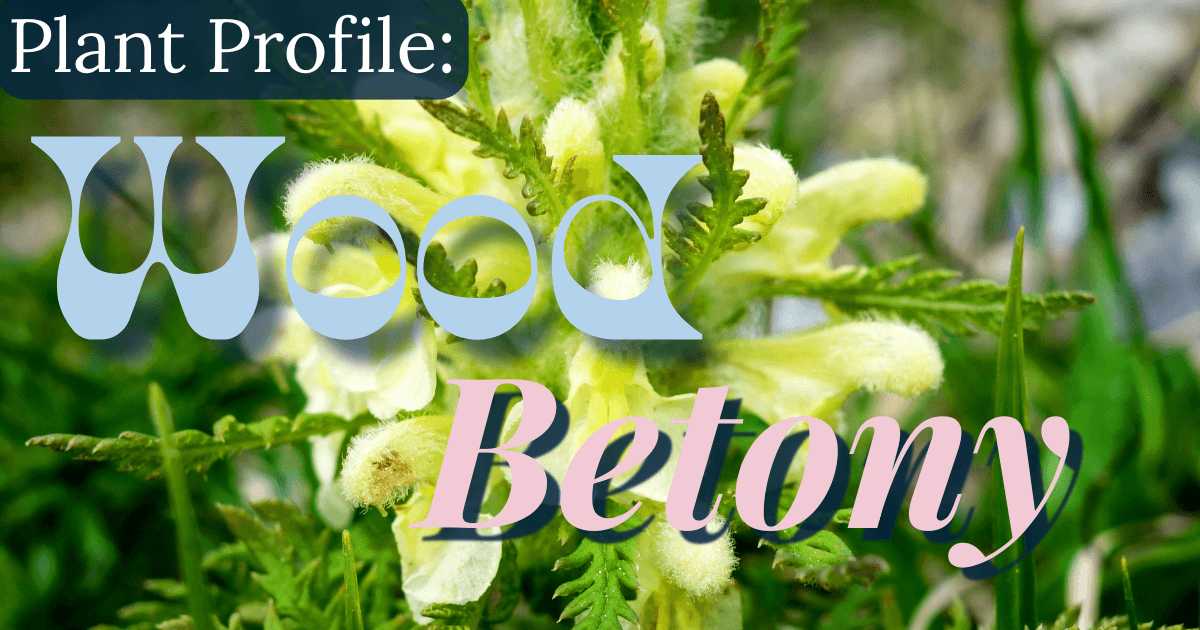
Plant Profile: Wood Betony
When you see wood betony in the wild, you’ll likely see its “host” plants alongside it. It’s a partially parasitic plant with a taproot and lateral roots that attach to the roots of grasses, asters and a few other plants. Because of this, it’s often used in prairie restorations to discourage invasive species.
Wood betony (Pedicularis canadensis) can grow and thrive on its own, and it doesn’t have a major impact on the growth of most nearby plants. Also, its roots have a symbiotic relationship with a fungus that helps it gather nutrients.
All about wood betony
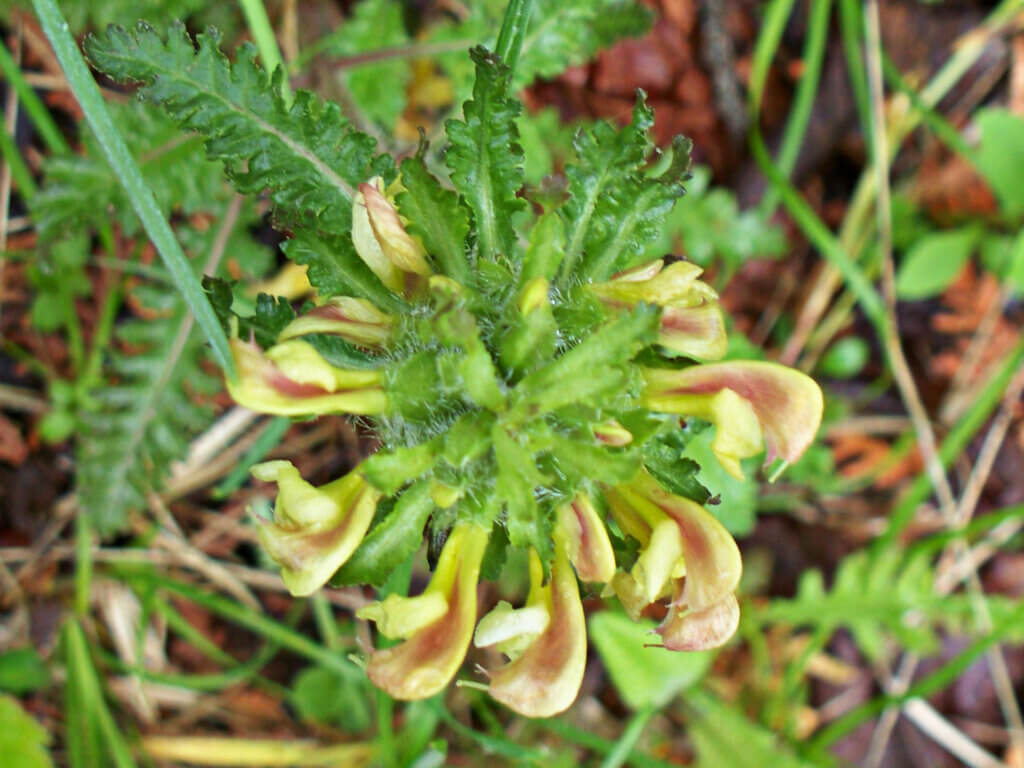
Very showy when in full bloom, its bright flowers and fernlike foliage make a statement, especially when growing in a colony. From the top, each cluster displays a swirling pinwheel shape. Flowers range in color from bright yellow to brownish-red. Common pollinators include queen bumblebees, mason bees, hummingbirds and hummingbird moths. The flowers, with upper and lower lips, encourage pollinators with long tongues. The lower lips function as landing pads for insects.
Pedicularis means “louse” in Latin. The name was based on the early, false belief that when ingested by livestock or when cattle grazed in pastures populated with these plants, wood
betony caused lice infestations. Because of this, some of its common names include the word “lousewort.” It is thought to be poisonous to sheep.
Wood betony has no serious insect or disease problems. Fern-like foliage emerges early in the spring, beginning with a reddish coloring and in the shape of a rosette. Buds and flowers follow
soon after, in April through June, and brown, angular fruits form after pollination. Native American and modern populations have used various parts of this plant for a wide variety of ailments. It is a great companion to plants that bloom later in the season.
After it fades back, wood betony is often found in the wild near other colorful native prairie and open woodland plants, such as spotted St. John’s wort (Hypericum punctatum), bottle gentian
(Gentiana andrewsii) and partridge pea (Chamaecrista fasciculata). Grasses and sedges are also good companions and serve as host plants for this semi-parasitic plant.
Wood betony tends to grow in patches—growing in and along the edges of prairies, and often along the edges of trails and woodlands. While mature plants can handle some drought, they prefer moderate moisture and may reseed under optimal conditions. In northern zones beyond its hardiness, it may reseed itself for the following growing season.
How to add wood betony to your garden
Seeds can be sown in the soil in the fall, or stored in a cool, dry place, but they must be held chilled and damp for four weeks before planting. Dormant bare-root seedlings also can be purchased for planting in early spring. While not as short-lived as many native spring ephemerals, this one is just as dramatic with its attractive early foliage and cheery spiral blooms. And it offers early, high-quality nectar to native bumblebees and other pollinators.
(Note: Another plant with the same common name “wood betony” is Betonica officinalis. (fka Stachys officinalis) While also beautiful and a worthy garden plant, it is not native to North America.)
Woot Betony: At a Glance
This article originally appeared in the Nov/Dec 2021 issue of Northern Gardener® Magazine.

Native-plant enthusiast Beth Stetenfeld is a garden blogger and writer, and a master naturalist
volunteer and instructor
You may be interested in:
Plant Profile: Compass Plant
Seeing a prairie or a meadow full of blooming compass plant (Silphium laciniatum) in mid-to-late summer is an optimistic sight. Among the three species of…
Plant Profile: Snake Plant
Snake plant (Dracaena trifasciata or sometimes Sansevieria trifasciata), is one of the easiest houseplants to grow, which explains its popularity in malls. It’s a great…
Plant Profile: Jade Plant
One of the easiest houseplants to grow, jade plant (Crassula ovata) is native to provinces on the eastern side of South Africa and in Mozambique….