Nature Nurtures: Health benefits of spending time outdoors
Your garden is a natural mood booster. Here’s why and how.
being in nature is not a panacea, but it certainly comes close. Time spent in the natural world enhances physical and psychological health; so much so, that researchers have found that merely looking at pictures of nature can lift us up.
Being outdoors in the sunlight is good for human health and well-being, says Jean Larson, nature-based therapeutics faculty lead at the University of Minnesota. “Scientifically, we know it makes you feel good because the vitamin D produced with sunlight boosts serotonin,” she says. “Serotonin is good for us in many ways: It helps regulate attention, behavior and body temperature. It even plays a role in regulating the digestive process, blood flow and breathing.”
Being in nature also improves focus and concentration, says Larson, who walks outside for at least half an hour each day, winter and summer, and places a bird-feeding station outside her office window. She brings nature inside by growing indoor plants, specifically lots of Swedish ivy.
Nature and Gardening
For gardeners, being outside, working in the soil and helping plants grow from seedlings to mature specimens gives a sense of purpose and accomplishment. Gardening requires that we focus on one thing at a time; it keeps us present and often leads to a state of flow, that time when you are so immersed in a task that you are relaxed and attentive and time flies.
Another benefit for gardeners: contact with soil bacteria boosts the immune system, protecting against allergies and other inflammatory diseases. Just 30 minutes of gardening can reduce levels of the stress hormone cortisol.
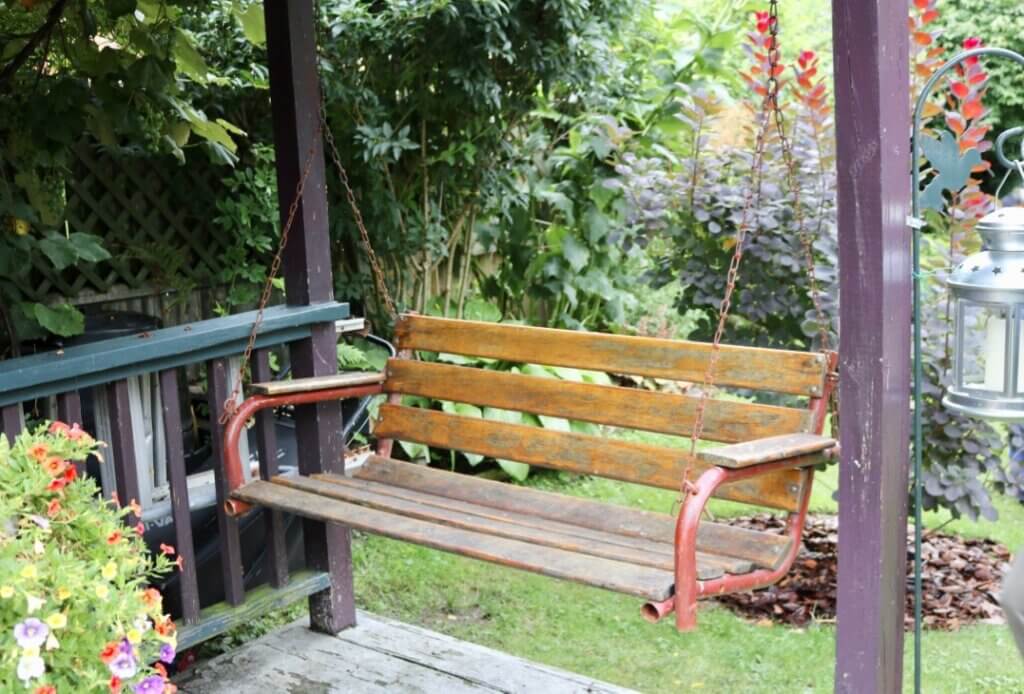
A vintage porch swing adds a touch of whimsy to any outdoor landscape.
Building on the Benefits
Here are six ideas for how gardeners can increase these natural benefits:
1. Cater to thesenses
Touching velvety foliage, smelling fragrant flowers, listening to birds chirping and leaves rustling, tasting the many herbs we’ve cultivated, and viewing a colorful palette of shrubs and flowers swaying in the breeze all calm and satiate us.
2. Grow vegetables
Recent studies indicate that vegetable gardening might offer even more therapeutic benefits than ornamental gardening. If you don’t already grow vegetables, try to find a spot for that strawberry pot or a container of herbs on your deck.
3. Reduce hardscapes
While hardscaping (paths, patios) is a necessary garden component, keep it to less than 30 percent of the landscape and use natural materials—brick, wood and stone—whenever possible. Add water for a calming sound and comfortable seating that invites you to linger and relax. Include art, but don’t let it overwhelm the garden.
4. Get social!
Share your love of gardening with others to reap more of nature’s benefits. Joining a garden club or working in a community garden connects us to others, says Lisa Philander, horticultural curator at Como Park Conservatory. “Plants are an equalizer; we all use them and need them, and we can all share; it doesn’t matter if we’re different in all other ways,” she says.
Plants are an equalizer; we all use them and need them, and we can all share; it doesn’t matter if we’re different in all other ways.
Lisa Philander, Horticultural curator at como park conservatory
5. Take it all in
“Where is your garden chair?” Philander asks. “Don’t just work; sit there and watch your garden evolve before your eyes; take time to smell, view, analyze and celebrate what worked.”
6. Don’t stop when it’s cold
We’re moving into spring (yes!) but it’s important to stay in nature no matter the weather. Place part of your garden where you can view it from indoors and don’t cut things back until spring. Enjoy the seed heads, evergreens, colorful stems and berries you can see. Also, take a 30-minute walk every day, Larson says.
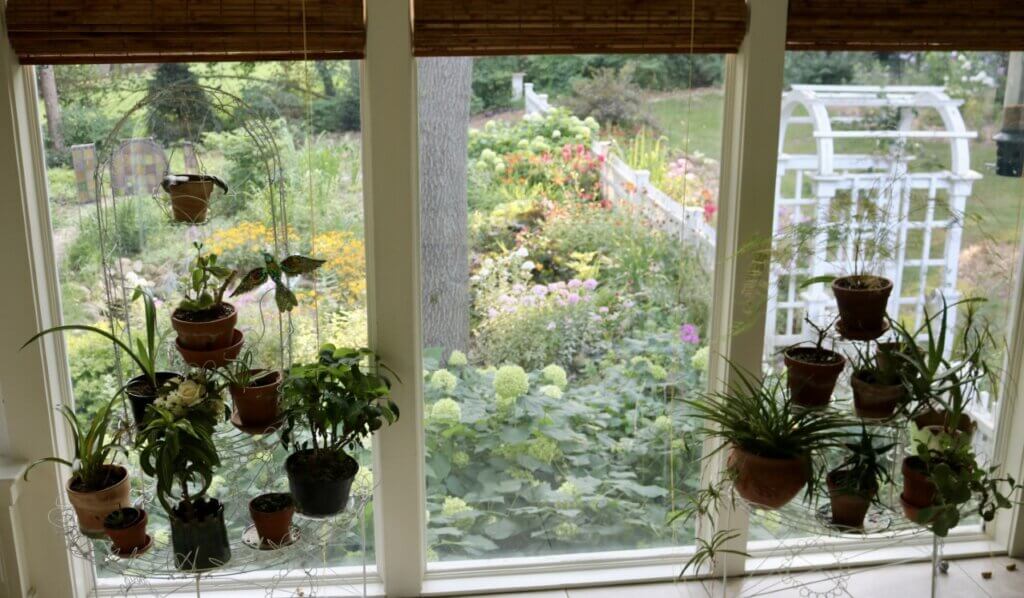
enjoy the benefits of nature year-round by keeping both indoor and outdoor plants.
Nature does nurture, and gardening is a wonderful way to participate in nature. As Philander notes, we sustain the earth and nature sustains us. This spring, embrace nature and gardening even more, and watch your mood and health improve.
This article originally appeared in the Spring 2023 issue of Northern Gardener® Magazine.
Diane McGann is a cold-climate gardening expert, University of Minnesota Tree Care Advisor, master gardener and Ask Extension panelist. An award-winning writer, she maintains perennial and shade gardens on 4 1/2 acres in Stillwater, Minn.




You may be interested in:
Understanding Soil Health Webinar
Healthy soil is vital to a healthy garden. This webinar, “Understanding Soil Health”, covers why it’s so important and how to support your soil’s health.
What Nature Teaches Us About Soil Health
I was backpacking with a friend along Wisconsin’s Ice Age trail during a hot spell in June. I had taken some time away from my…
5 Tips for Bringing Houseplants Outdoors for Summer
Do you bring your houseplants outdoors for summer? Sending a houseplant to summer camp on your patio, deck or even tucked into a garden bed…