


Rethinking Wood Chip Mulch
It’s the perfect food and habitat for jumping worms.
Before you reach for those bags of wood chips or bark mulch in the spring, you have a choice to make: either spread the mulch, which is a potential food source and habitat for jumping worms (Amynthas and Metaphire species) and hope for the best, or plant green mulch (a living groundcover) around your plants instead. As we garden, invasive worms get spread around by you and me through infested potted plants, soil, compost, mulch and fishing bait.
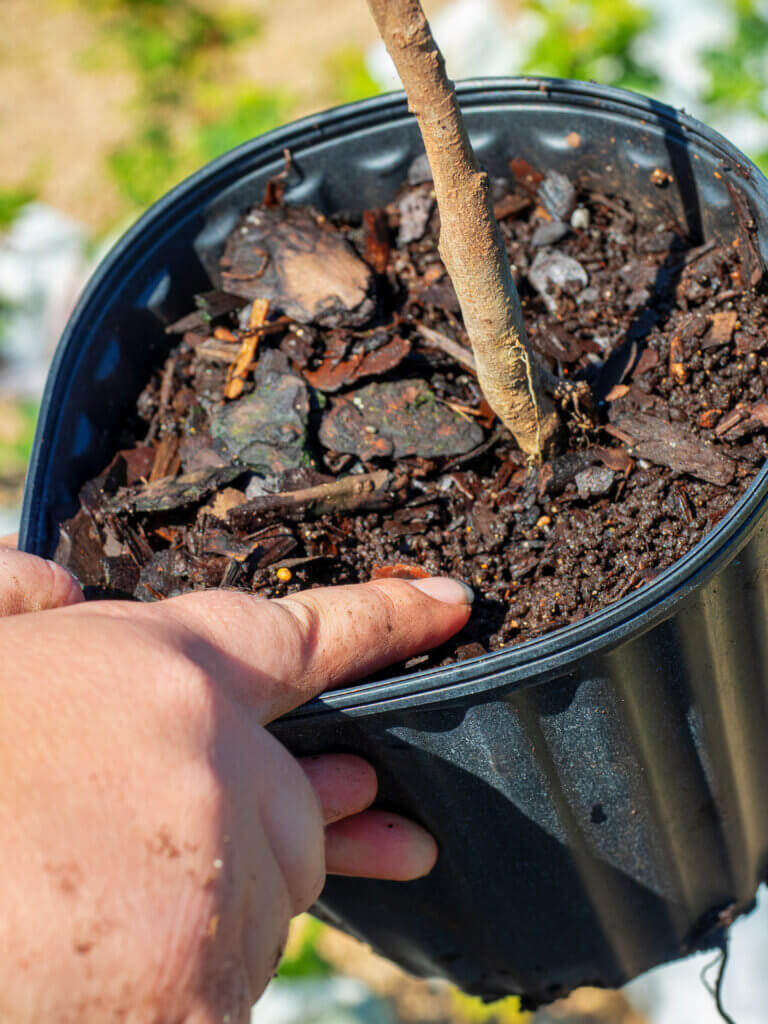
Research shows that the worms are attracted to wood chip mulch, which provides cellulose and the perfect conditions for them to thrive in a garden. They wiggle and slither like snakes, essentially stuck at the surface of the soil in the top 2 or 3 inches, searching for the best places. They prefer cool, moist, shady conditions, particularly in mulched beds and any other “places where the soil never goes above 85 degrees Fahrenheit,” says Lee Frelich, director of the Center for Forest Ecology at the University of Minnesota. “And that’s not very hot.”
What are jumping worms?
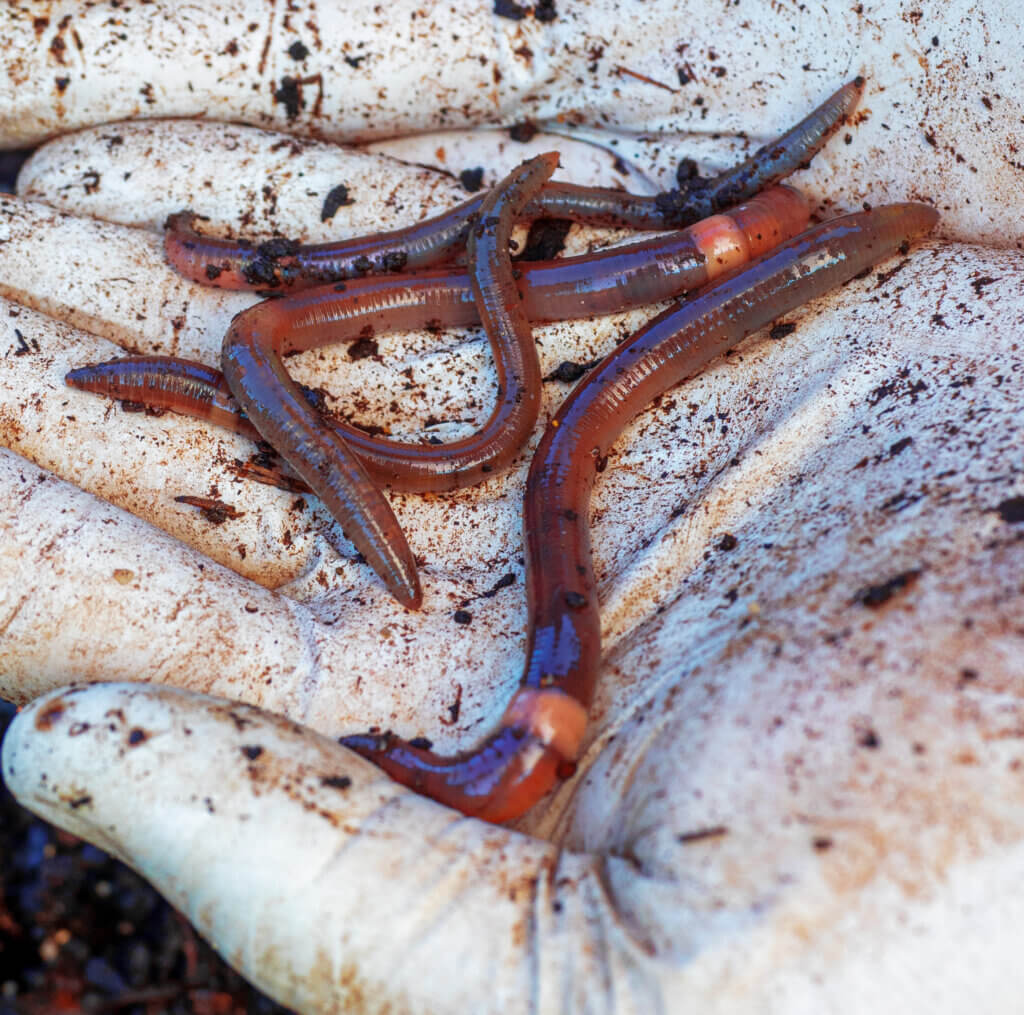
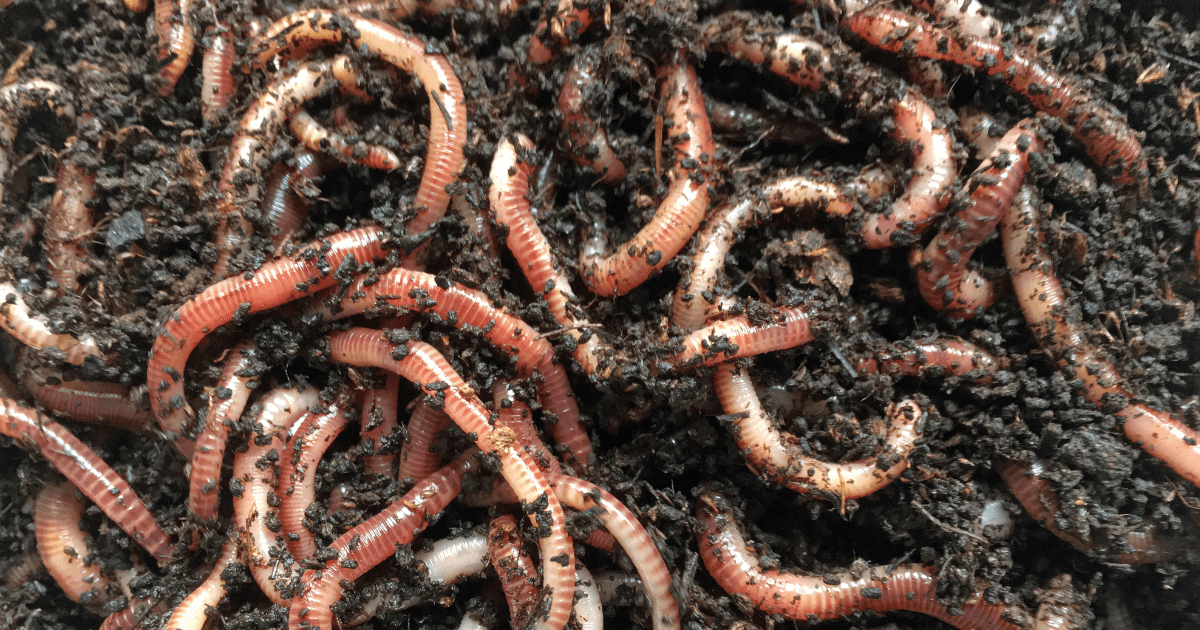
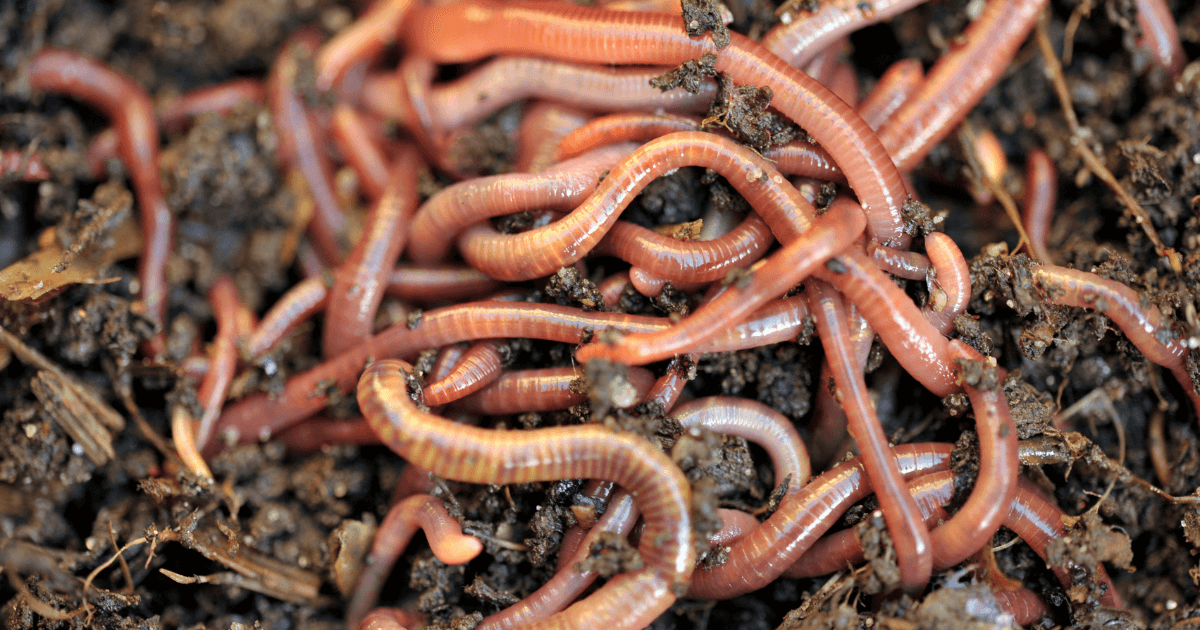
Native to Asia, jumping worms were first observed by Frelich in Minnesota in 2006 in Minneapolis. One of the identifying features of a jumping worm is the way it “jumps” or wriggles uncontrollably when touched. You may also see a light-colored ring around the body closer to the head compared to other earthworms.
Since July 1, 2024, the Minnesota Department of Natural Resources has listed the worms as a prohibited invasive species in the state, making it illegal to possess, import, purchase, transport or introduce jumping worms without a permit. This means that if you find them in your yard or garden, you must keep yard waste onsite or get a permit and follow state rules on disposal.
The impact of jumping worms on your soil
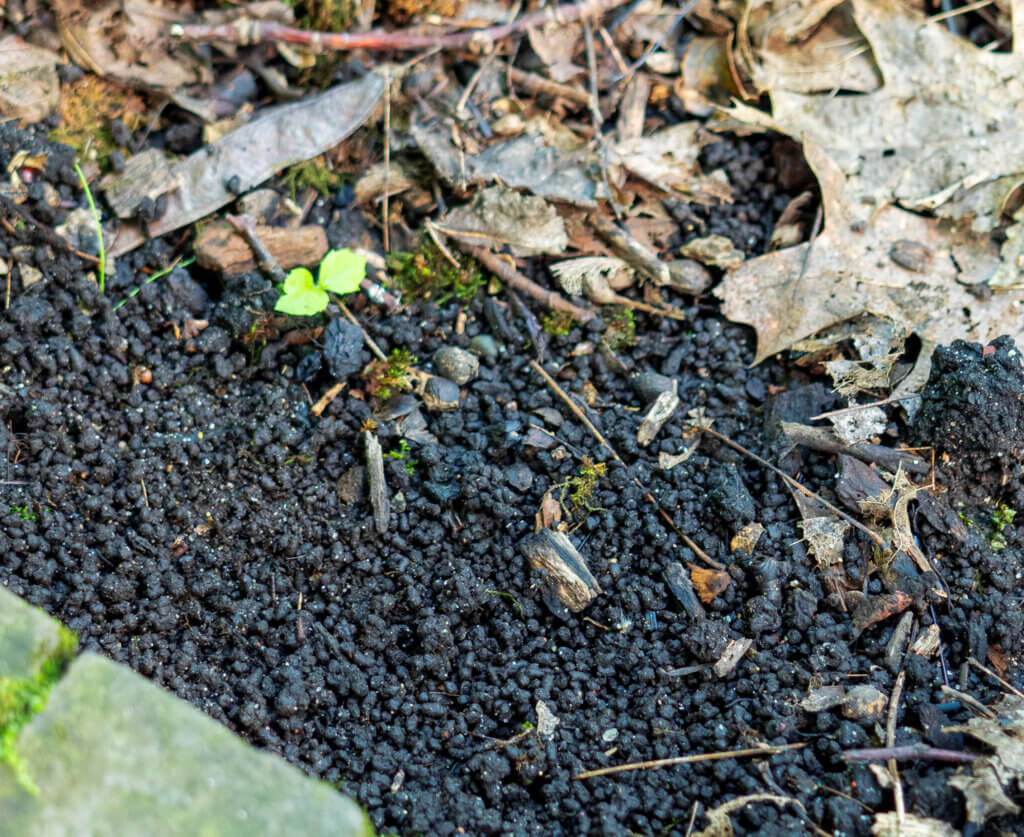
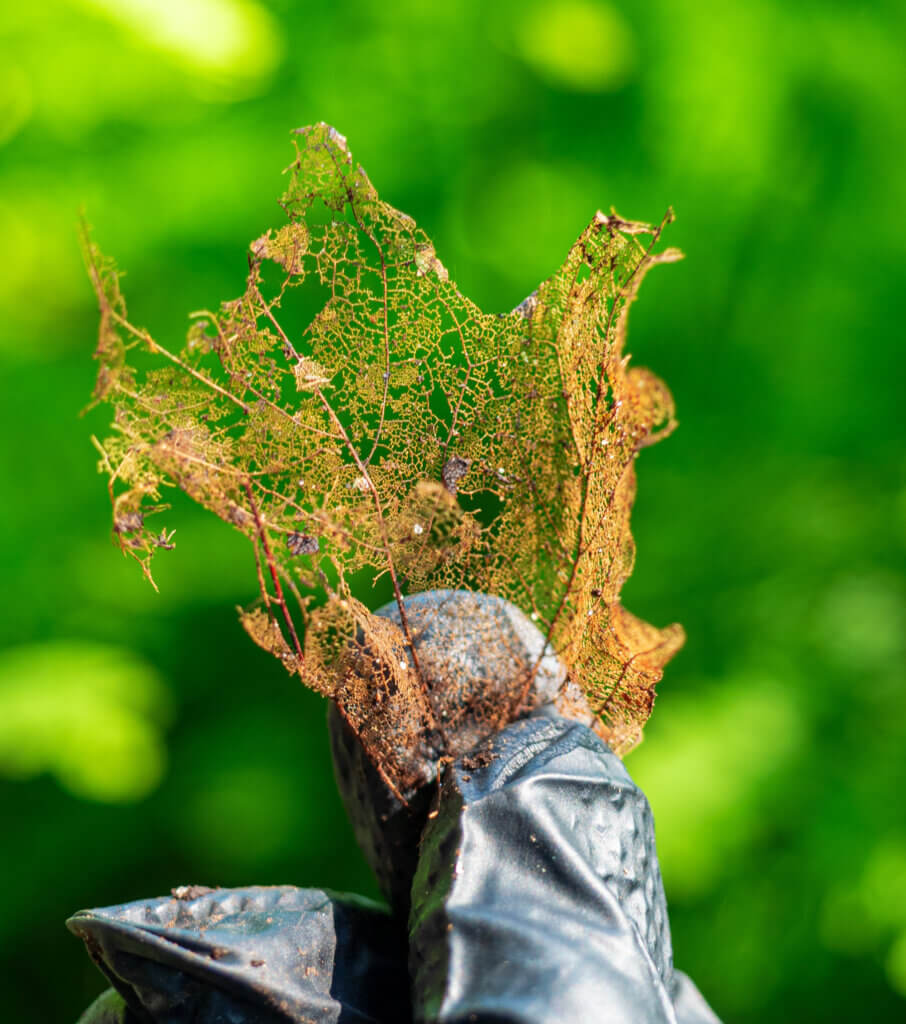
As they feast on leaf litter and mulch, the worms can dramatically change the soil structure, making it similar to coffee grounds. This action strips vital nutrients from the topsoil and makes the soil easier to erode. Gardeners may have difficulty growing plants, and some plants may die. On a larger scale, jumping worms can transform the soil in a forest. As they consume the leaf litter layer, they impact the soil chemistry, soil organisms and plant communities, according to the Minnesota DNR. In other words, the forest won’t have the same plant and animal species it did before the worms.
“A single [jumping] worm, and potentially a single cocoon (egg), is all it takes to start a new infestation,” writes James Calkins, the regulatory affairs manager for the Minnesota Nursery and Landscape Association (MNLA). At the moment, the best course of action for homeowners is to do everything you can to prevent them from entering your landscape.
MNLA recommendations
- Check your yard and garden for jumping worms and soil that looks like coffee grounds.
- Be careful when sharing and moving plants—know where they came from and look for jumping worms.
- Do not store mulch on the ground or purchase mulch in bags with holes. Look for a supplier that heat treats compost to 131 degrees Fahrenheit for at least three days.
- Don’t buy or use jumping worms for composting or bait.
- Dispose of worms in the trash in a sealed plastic bag, not in your compost or yard waste site.
If your garden beds are heavily infested, do not add mulch, including woodchips, cocoa bean hulls, shredded coconut (coir), leaves, compost and pine needles. Clean all garden tools and footwear when moving from one area to another. Worm cocoons are 2 millimeters in diameter, the same color as the soil and can’t readily be seen.
Jumping worm eggs (cocoons) do survive through the winter, hatch in spring and, by July, the wriggling adults can be seen. Research is currently underway to find the most effective and realistic chemical controls and methods—remember, it’s illegal to use a product for a pest that’s not included on its label.

Gail Hudson is a horticulturist, an Emmy® award-winning journalist and video producer, an MSHS Board member and an avid gardener in Minneapolis.
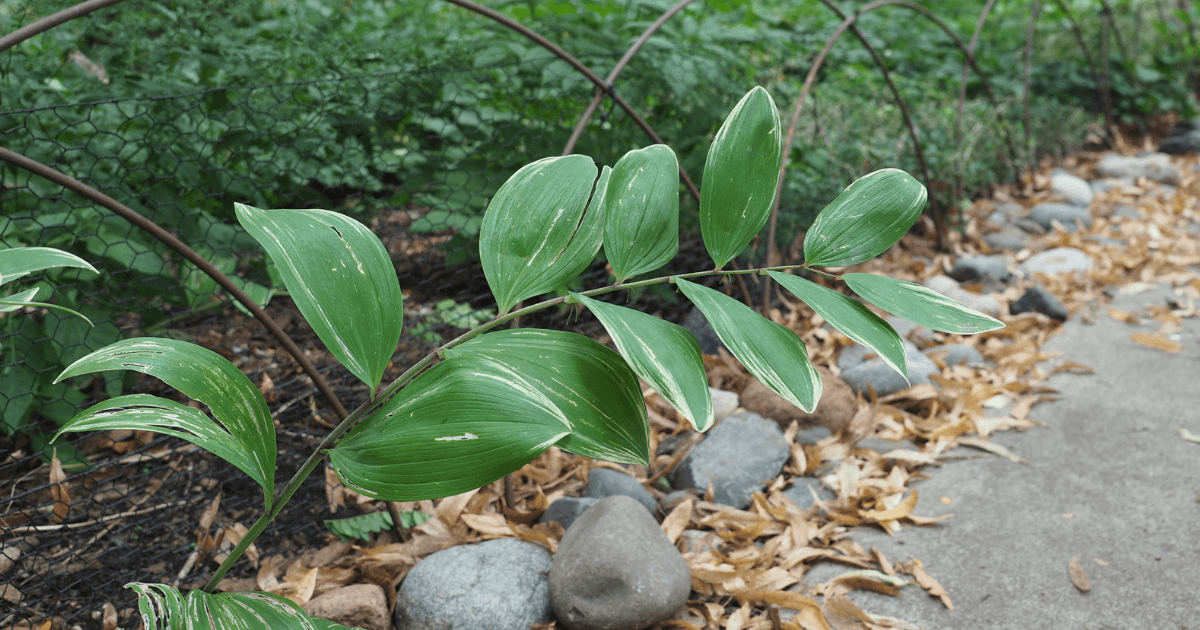
Featured image: Solomon seal in Lee Frelich’s native plant garden. All photos courtesy of Gail Brown Hudson.
If one knowingly has jumping worms, what do we use for winter mulch if we can’t use chips or leaves?
I use dried pine needles.