


What Nature Teaches Us About Soil Health
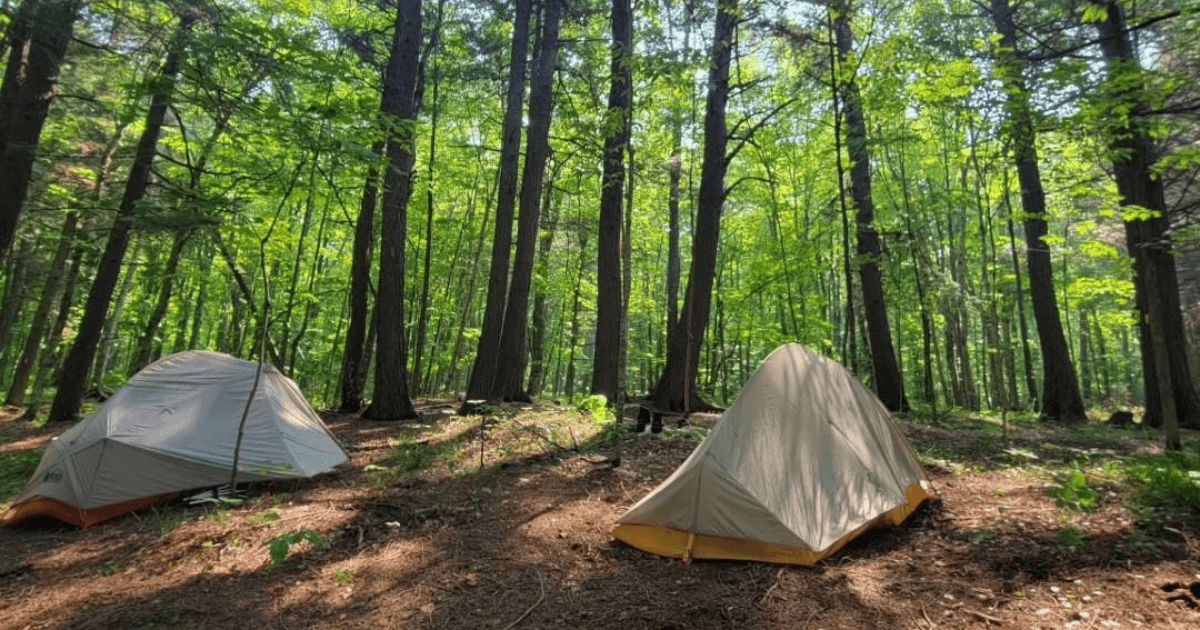
I was backpacking with a friend along Wisconsin’s Ice Age trail during a hot spell in June. I had taken some time away from my job of assisting long-term care facility nurses with a new insurance model for seniors. After our first day of hiking, tolerating mosquitos and sweat, we finally arrived at our shady campsite atop a Midwest “mountain.”
The ecological makeup of the area included a mixed deciduous and coniferous forest, rich with bugs, fungi and critters. As we settled in, I felt my body relax and asked a friend for the bathroom bag. I walked further into the woods and began to dig a hole. What I found shocked me.
The healthy make-up of untouched soil
The loose brush and twigs didn’t end at the soil. The airy mixture went on and on as I continued to dig, progressively including more moisture and colorful fungal threads. This was the soil. The soil I had always known—a packed-down, uniform brown below turf grass and shade trees—did not exist here. As I stared at the biodiverse mixture in amazement, I thought, “If this is what unadulterated soil looks like, and it has taken me over thirty years to see it, how big of an impact have humans had on the soil?”
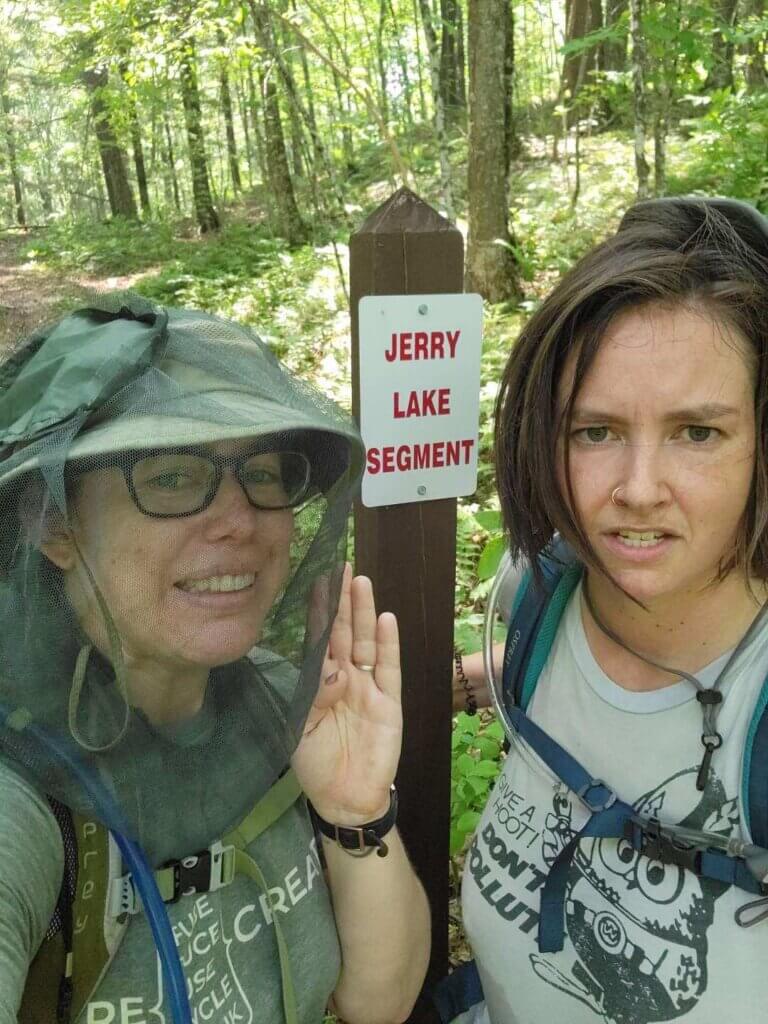
We continued our trip along the trail, hiking atop the glacier-formed esker and immersing ourselves in the backcountry. The more I paid attention, the more connections I saw: woodpecker holes in progressive stages of decay used by various animals, various life forms living off a felled, decomposing tree and the gamut of ecological activity in the lake.
Whenever we came across another group on the trail, we would stop to share information and, sometimes, supplies. “Where are you coming from? Were the trails muddy from the rain and difficult to navigate? Yes, we have many extra matches we can share with you. Where did you stay last night? Would you recommend that site over the other site nearby? What was the water source like there?”
The more time I spent within these connections, the easier it became to identify myself as an animal within the larger ecosystem. I was surrounded by a panorama of the cycle of death and life. The safety nets of my normal environment were gone, and I felt a shrinking proximity to my own potential death and decay.
Examining a deeper relationship between humans and soil
The conversations we had with others and our reliance on our surroundings garnered a clear level of importance and honor, essential to survival. Forgetting to pack a certain item or a fatigued misstep could easily threaten my life. The blatant proximity between life and death transformed solidarity from a principle I practiced to an innately flowing lifestyle.
Among the realizations, I could not shake the image of the airy, multi-colored soil. “How have I not witnessed soil like this before? I’ve spent above average time outdoors. And if all life is connected, how has the change in soil impacted the health of humanity? If we’ve made such a significant impact (literally), can concerted intentions be effective at healing the soil? Would healing the soil heal ourselves?”
The questions didn’t fade. Upon my return, the summer semester began. I was completing my Doctor of Nursing Practice degree. The course, within the Health Innovation and Leadership track, was designed to encourage students to follow their area of passion while meeting a certain number of practicum hours. Just a week after I returned from backpacking, an email appeared in my inbox about a soil scientist traveling through rural Western Minnesota to discuss soil health with farmers. I could feel my trajectory being gently guided.
Soil and human life: A story of complex layering
In the July heat, I packed up to go camping again. I checked into state parks along the Western corridor of Minnesota. I had made reservations for parks that were close to the farms hosting the soil scientist along his tour. Like an academic roadie following the Grateful Dead, I camped out overnight to attend the next day’s workshop.

I watched and participated in demonstrations that showed what healthy soil could do—a clod still intact after being submerged in water; the sponge and filtration capacities during a rain simulation; disintegrated cotton underwear that had been digested by soil microbes—all in comparison to less healthy soil. It was fascinating, but I was aware that my presence was not welcomed by all.
With my brightly yellow Osprey backpack, rainbow-colored tattoo, nose piercing, and short hair, I doubted that anyone thought I was just another farmer (Interestingly enough, my ancestors farmed land in Indiana for over a hundred years). It was clear that my differences and queerness made some people uncomfortable.
I noticed an older white woman checking in participants. She began offering raffle tickets to those waiting in line, asking about their names to help them get through quicker. She skipped over me. “Maybe its because she knows the other people,” I thought. I wasn’t from the area. But when I got to the front of the line, I was not offered a raffle ticket.
Hoping a slight nudge would help, I asked, “What are the raffle tickets for?” She didn’t make eye contact with me. She mumbled something about a hat and a shovel, still not offering any tickets, and then walked away with some paperwork. The resistance was palpable. It felt like she believed the act of giving any acknowledgement or attention to me would breathe life into such an unacceptable form—that by being as cold as possible within the boundaries of social acceptability, I might perceive that I was not welcome and leave, easing her obvious discomfort.
I made my way to a seat at one of the tables under the pavilion-sized tent in a corn field covered by the remnants of last year’s stalks. Feeling slightly sick to my stomach about the encounter, I started to observe my surroundings closely, taking inventory to judge my safety. Would someone here feel uncomfortable enough to do something more severe than being rude? But I knew I was destined to attend these workshops. I had felt this life-flow force before and knew that trusting it would lead to great rewards. Determination won out, and I decided to stay.
Not all the farms included such tension. The lunches alone were worth staying for—delicious, home-cooked, fresh food like T-bone steaks, green beans, dinner rolls, and macaroni and cheese. The lectures and demonstrations continued. I watched, listened, took notes and began to understand the relationships that existed beneath my feet.
Applying soil education to everyday gardening
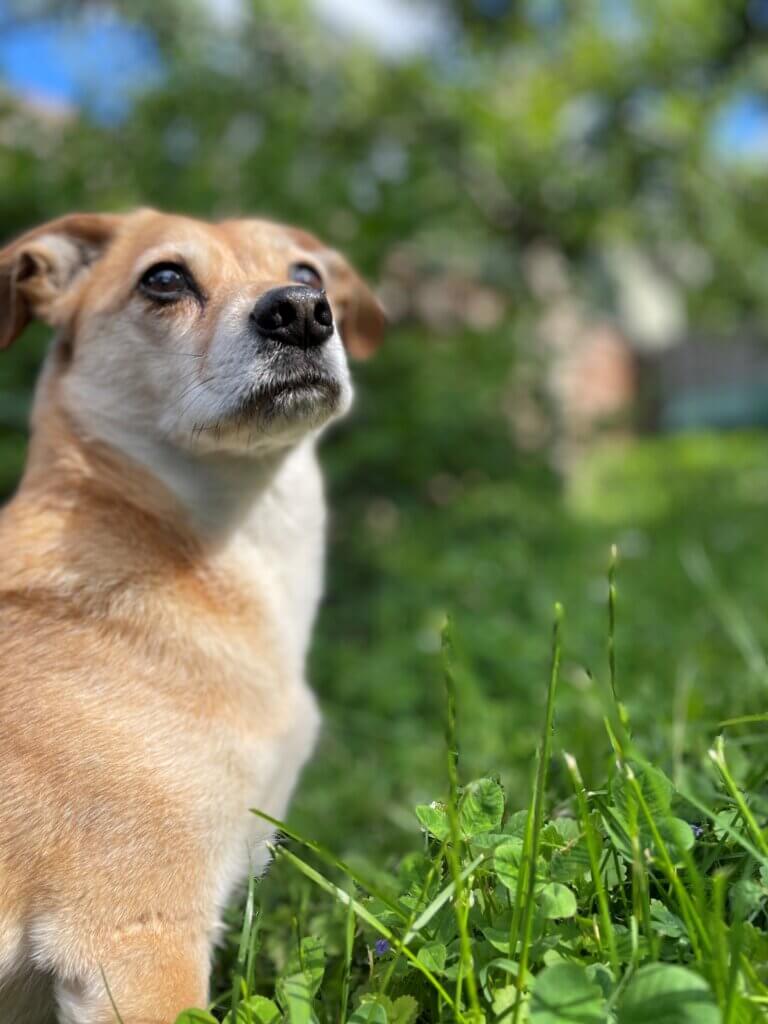
Utilizing my new knowledge, I began to prioritize principles of soil health in my personal laboratory—a 1/10 of an acre plot in Saint Paul, Minn. that I share with my wife, daughter and small dog named Bruce Wayne. The vegetable garden takes up the majority the front yard. Of course I would prioritize soil health there. But understanding the broader implications of soil health, I applied the principles to my entire yard.
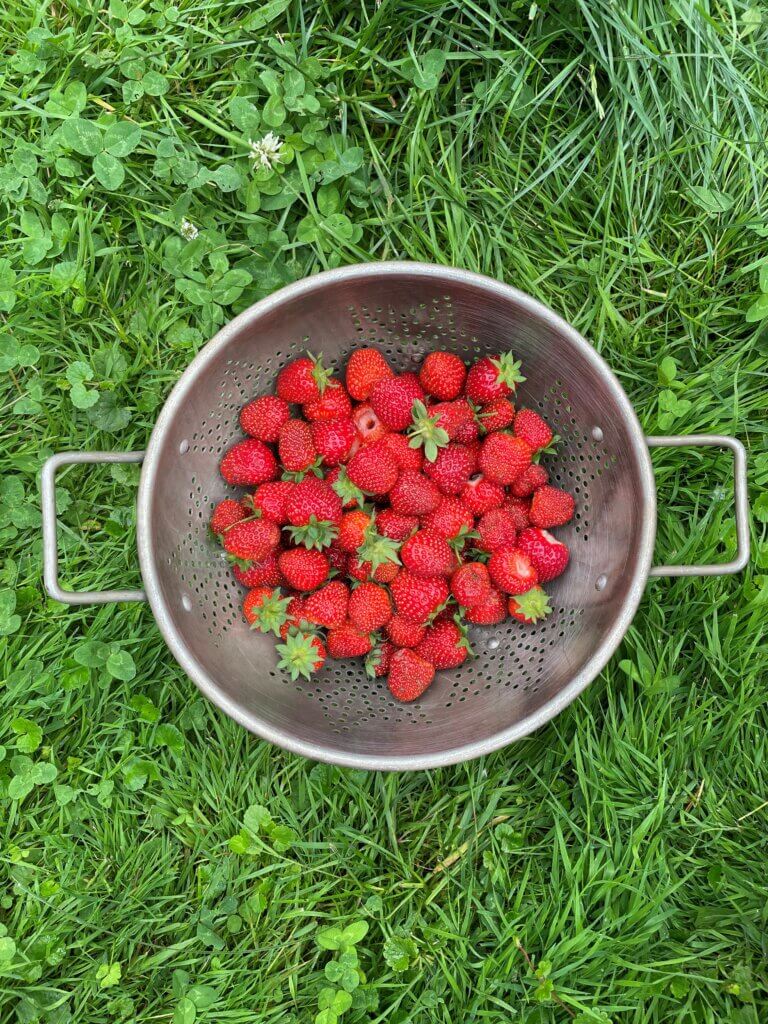
I labored, I watched, I touched, I documented. My ongoing literature review followed suit. Did healthy soil lead to healthier plants? Multiple sources comparing similar soil health practices to traditional, large-scale modern farming practices confirmed that plants grown in healthier soil had higher concentrations of vitamin K, vitamin E, vitamin B2, vitamin E, carotenoids, calcium, phosphorous, copper, and zinc. Depending on the plant being measured, the list went on!
I understood by then that healthy soil serves as a sponge, making space for water that cycles nutrients and microbes away from and towards the plant roots, much like the body’s blood supply. Like a hydrated human, hydrated soil facilitates a flow of healing and nourishment. I thought about some of my patients with poor hydration and circulation. They often suffered from poor healing ability, loss of sensation, and discolored skin. I knew how important it is for our bodies’ fluids to move through all living tissue, delivering essential nutrients, gases, immune factors, and sweeping away waste.
Soil: The best nutritional “supplement”
With the increased soil circulation, my plants had access to nutrients deep in the soil that might otherwise have been inaccessible. The resulting nutrient-dense food ultimately ends up in our bodies, supporting more nutrient-dense humans. I knew from my nursing practice that the nutrients supported by my research were essential to our immune system, combatting chronic diseases, and facilitating energy storage and metabolism, among others. I also knew that these vitamins and micronutrients were often lacking in modern diets.
As a former athlete, I witnessed (and practiced) a wide range of supplement regimens to make up for those deficits. However, getting micronutrients and vitamins from food is often more effective than taking supplements in their individual form. Healing the soil, enriching the plants, healing and supporting our bodies… this could upend entire industries.
I felt the momentum of my journey. I still feel it. Even if I didn’t understand the nutrient uptake improving the health of my family, the soil health practices have brought immense joy. Observing the space around me, I have discovered insects that I had never witnessed before.
Identifying healthy soil through healthy biodiversity
In just one afternoon, while working on my laptop under the shade of our hops, I saw three different varieties of spiders. Various sizes and colors of slugs have appeared in shady areas. More birds visited to snack on bugs and worms. Bruce Wayne developed such a propensity for rolling in the burgeoning population of annelids that we started calling him “Worm Boy.”
Grasshoppers delighted in the small patch of red clover. Higher ground cover offered protection to a fledgling robin. I watched through the back window as he hopped and chirped along. He had no reservations about being heard or attacked. His carefree, slightly clumsy, chatty tendencies reminded me of my daughter when she was younger, chatting away about anything that passed through her head, learning her body’s position and balance in different spaces, moving through life fearlessly and trusting.
Research articles and informational presentations are no longer my only teachers. And I will continue to show up for their lessons.

Dr. Mary (Berg) Ellenberger is a St. Paul-based registered nurse in the West Frogtown neighborhood. Most of her 1/10-acre plot is dedicated to ongoing experiments with soil health practices and a healthier food supply.
You may be interested in:
Layering Your Edible Garden
Think of Christina Chung’s new book, The Layered Edible Garden, as permaculture made easy. Chung, a horticulturist known on social media as @Fluent.Garden, guides gardeners…
The Mini Forest Movement
What do you think of when you hear the word forest? Stands of massive redwoods? Old growth forests in Canada? A national forest? The “North…
The Seeds of Vandana Shiva
Join us for a unique opportunity to view The Seeds of Vandana Shiva in Minneapolis with leaders in the local seed and food sovereignty movement….