


Hügelkultur is Heating Up
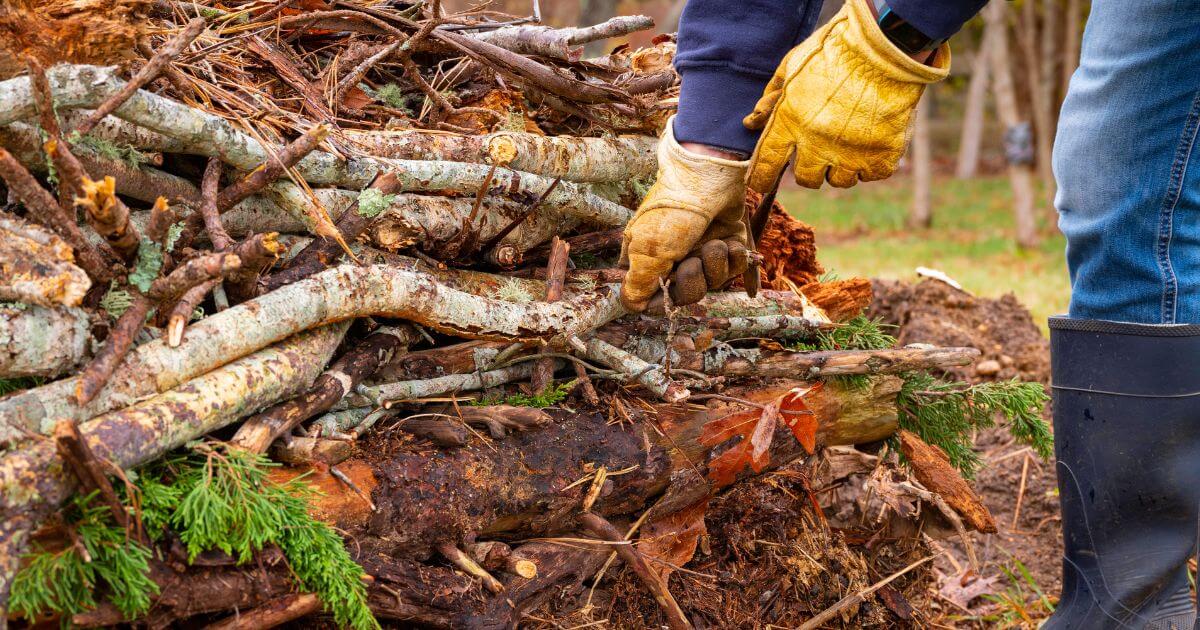
Hügelkultur has been getting a lot of buzz lately. I’ve been practicing it for a while and I didn’t even realize it. In a nutshell, it’s the practice of building mounded raised beds with layers of wood, organic materials like branches, leaves and small twigs then topped with compost and soil.
When we had a hole dug a few years ago for an above ground pool to sit in, I asked the excavator to mound the removed dirt in a berm around the pool. To add height, I first laid logs, branches and various garden trimmings for them to pile the dirt on. I topped the pile with additional soil and mulch. It’s been a wonderful home for a perennial and shrub border, and I can report it is thriving. Could it be the unintended hügelkultur?
I’ve also been filling my large garden pots with sequential layers of branches, twigs, leaves, compost and then garden soil for the past couple seasons. I started it because soil is expensive and I wanted to save money by partially filling my containers with the organic matter, then topping them off with dirt. The leaves and twigs not only add bulk, but as they break down, they fertilize the plants. Essentially, this is what is going on with hügelkultur.
The origins of hügelkultur
Hügelkultur hails from Germany and translates to hill or mound culture. It’s been reportedly practiced in Germany and Eastern Europe for centuries but was made popular in the 1960s in a gardening booklet published by Herrman Andrä. It’s now heating up as a gardening technique in North America, though sustainable gardening enthusiasts have been doing it for years.

Hügelkultur makes good use of yard and garden waste; it’s the perfect home for excess logs, branches, twigs, and leaves. The Hügelkultur also provides a friendly environment for worms and beneficial insects. Unfortunately, rodents also love the labyrinthic structure, though the mound settles substantially each year, eliminating more and more tunnels for mice to find a home in. You can help this by putting down plenty of soil between layers, almost like a mortar or grout.
How hügelkultur works
As the organic matter breaks down it releases nutrients to the plants. The logs at the base of the hügelkultur absorb water like a sponge and maintain the moisture of the mound, requiring less supplemental watering. There are reports out there that after a few years, a Hügelkultur can go a season without additional watering, as long as rainfall is average. Some say the logs at the base will steal nitrogen from the soil, but this lessens after just a few years.
The hügelkultur is assembled by first layering logs (you get extra credit for hardwood that will break down slower), then branches, twigs, leaves, grass clippings, compost, and garden soil in sequential order to create a large mound. Spread soil between the layers. Some gardeners dig down a little for the first layer of logs, but you don’t need to, which makes it a perfect solution for less-than-ideal soil. You can garden above ground level!
Everything about hügelkultur is good. It provides a nutrient-rich growing environment that helps to conserve water. As the pile decomposes through the years, you are building premium garden soil. It gives a home to garden waste and gardeners report that the mound makes for an easier garden to work in. I used to have a bumper sticker that read, “Recreate the forest floor.” This is what you are doing with hügelkultur, but this forest floor you can grow food and flowers on.

Eric Johnson is a longtime contributor to Northern Gardener, blogger and lifelong gardener in Roseville, Minn.


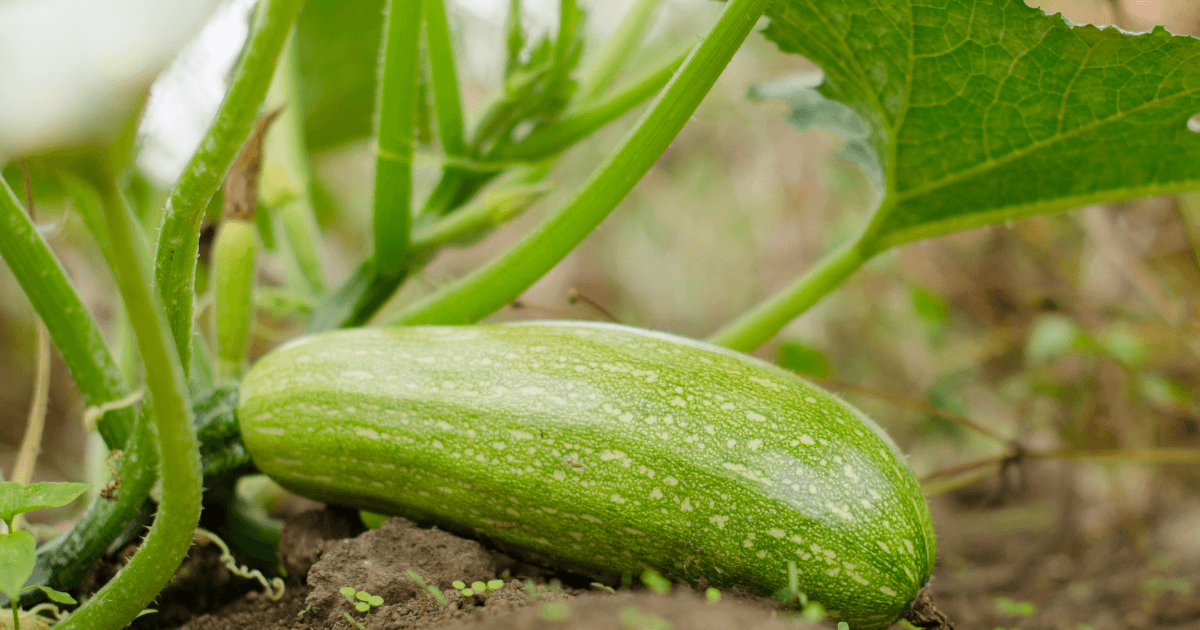
It is also reported that the breakdown of the logs/branches heats up the soil earlier in the season and holds onto heat longer in the fall – extending the growing season.