

Strategies for the First Frost and Beyond
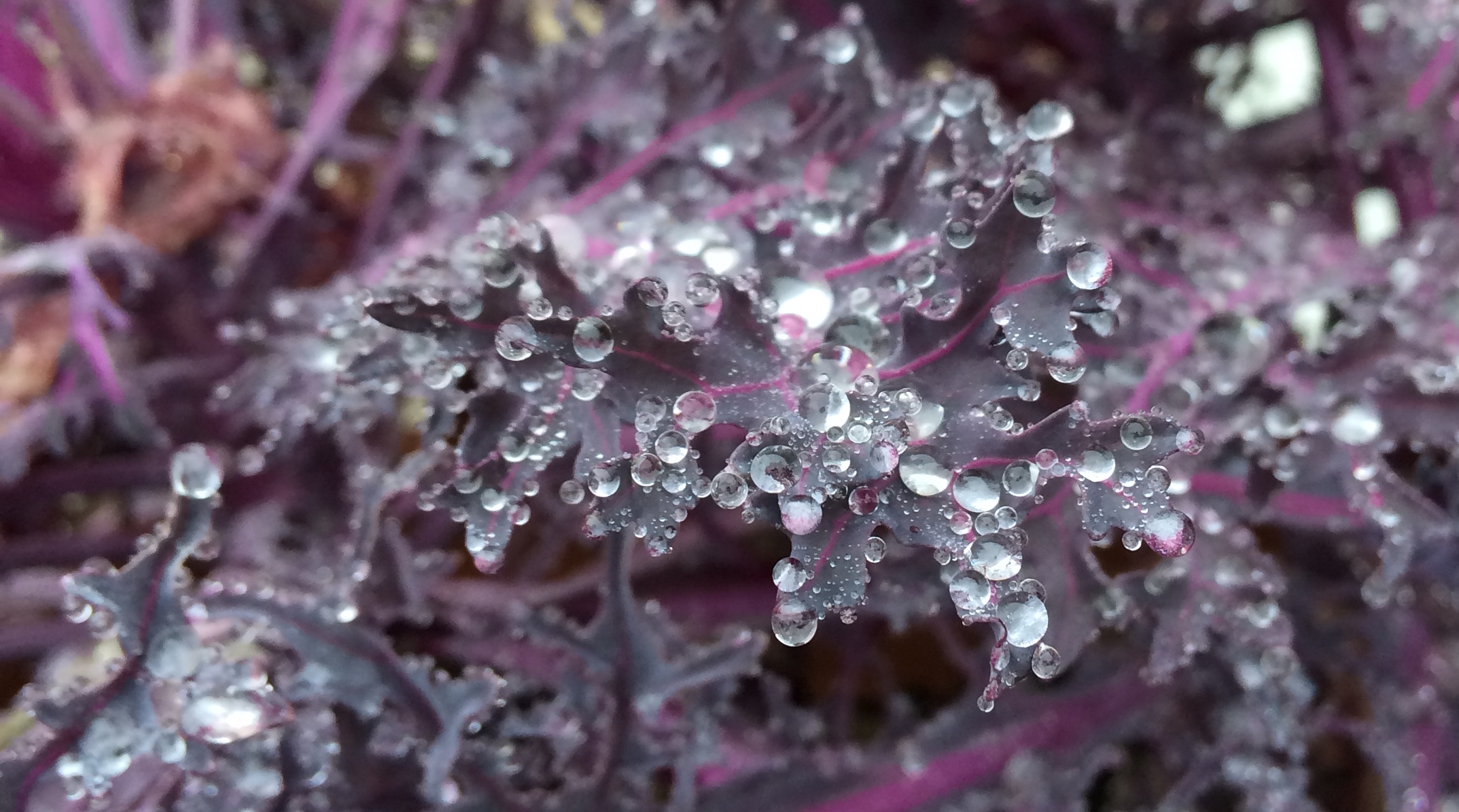
Feel that chill in the air? Your plants sure do! The season of morning frosts is once again upon us, gracing our mums and pumpkins with a gentle dusting of sparkling ice.
How should a northern gardener respond? Winter is coming, of course, but there are ways to stretch out the season, whether that means a few more harvests from the vegetable garden or longer blooms on your favorite flowers.
Frosts, Freezes and Hard Freezes
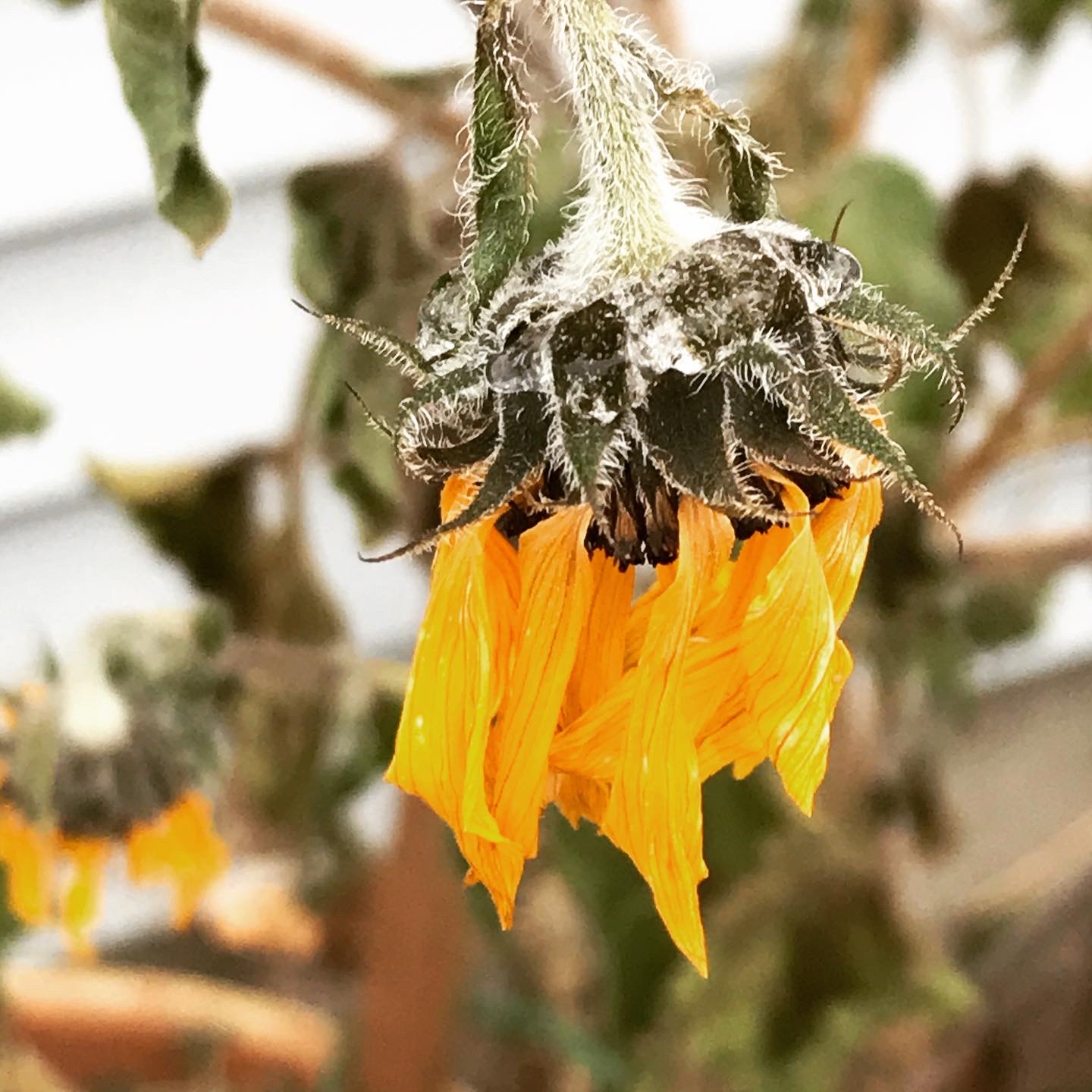
A couple of years ago, we did a post explaining the differences between a frost, a freeze and a hard freeze. Basically, a frost involves temperatures below 36 degrees for several hours. A freeze means temperatures are between 28 and 32 degrees for four or more hours and a hard freeze means temperatures below 28 degrees for several hours. The air temperature in one part of your garden may vary from the rest of it, based on whether it’s a high or low spot, so make adjustments accordingly.
A hard freeze signals the end of the vegetable and annual flower gardening season unless you have invested in cold frames, hoop houses, a greenhouse or other season extenders.
First Frost Strategies
Assuming you want to continue to harvest some late-season vegetables or keep a few containers healthy for a bit longer, a simple covering may be all you need until we get to the hard freeze stage. Some root crops won’t be affected much by early frosts because they are underground and the flavor of some hardy greens, such as kale, actually improves with a bit of frost. Tender greens, such as lettuces, will need a cover or you can harvest them. Other tender vegetables—and many Minnesota gardens still have tomatoes or peppers ripening in them this year—should be harvested.
Most annual flowers, such as impatiens, coleus, zinnias, petunias and calibrachoas, will die in a freeze. Pansies, snapdragons, sweet alyssum and calendula can handle frost but not a hard freeze. Depending on how low the temperatures go, you can cover displays or pick the flowers for a beautiful bouquet indoors. Those lovely mum pots you bought for your front porch are best covered up if the temps are going below the mid-30s, just to make sure they stay healthy for Halloween.
Beyond the First Frost
Eventually, it will be November in Minnesota, and that means more freezes and hard freezes and the end of the gardening season for all but those who extend the season with hoop houses or greenhouses. (Book recommendation, if that’s something you’d like to try.) It’s time, then, to clean up those areas that require it (vegetable gardens, containers) and allow those that do not require it to stand for the winter. It’s a great time to buy a few houseplants or an amaryllis for the holidays.
And, of course, plan for next season and look forward to the last frost in spring.
Updated October 10, 2025

Mary Lahr Schier is a Minnesota gardener, writer and editor and author of The Northern Gardener, From Apples to Zinnias, 150 Years of Garden Wisdom (Minnesota Historical Society Press, 2017), winner of the Silver Award of Merit from GardenComm in 2018. For 18 years, she edited Northern Gardener magazine, the publication of the Minnesota Horticultural Society and the only magazine dedicated to gardening in USDA Zones 3, 4 and 5.
You may be interested in:
5 Tips for Late Frost Plant Protection
Picture this. It’s early June, you have a sprinkling of new seedlings in the ground and forecasters are predicting frost overnight. Don’t panic. It seems…
Effective Watering Strategies for Northern Gardeners
Whether it’s hot like it is now or you just want to conserve a precious resource, understanding effective watering strategies is important for northern gardeners….
Frost-Free Dates and the Vegetable Garden
If you grow vegetables from seed, the packet almost always lists how long before or after your average last frost date you should plant. It’s…