


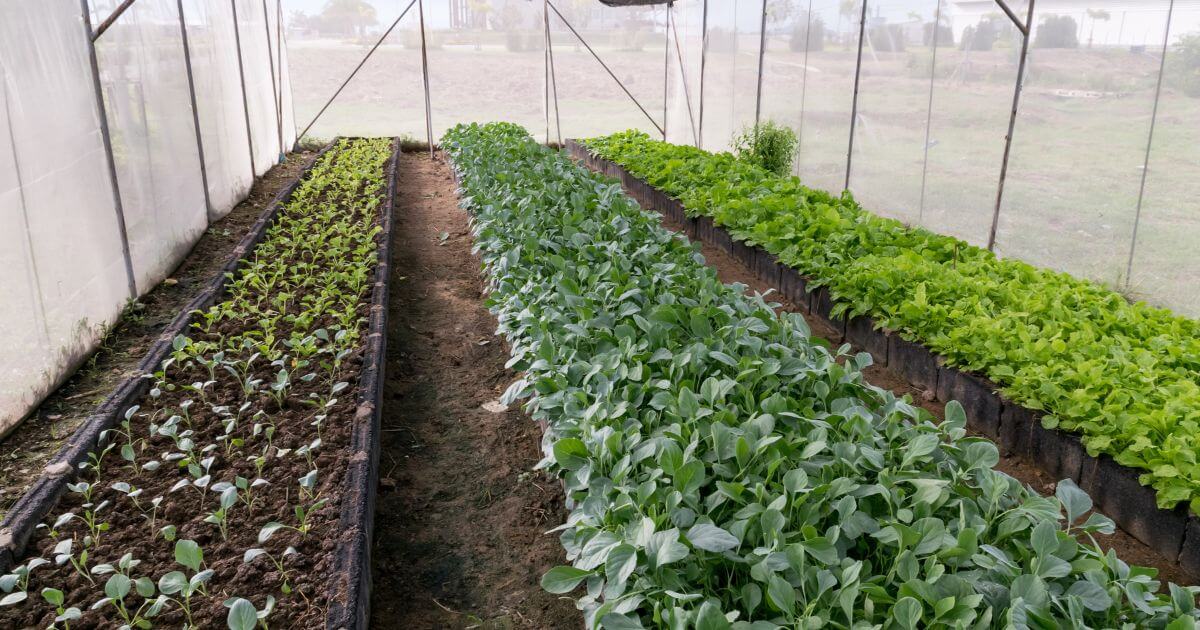
Extend the Season in Your Vegetable Garden
Get more out of your vegetable garden by extending the season, both in the spring and in the fall. Below are some ways to extend the season that do not require much investment in equipment. For hoop houses and other slightly more complex ways to extend the season, check out this post.
Choosing Crops
The easiest way to extend the season is to choose crops that produce early or late in the season. Spinach, arugula, radishes, peas and lettuce are all quick growers, with some ready to harvest in four or five weeks. You can start these indoors, if you like, or in a cold frame to get an earlier start yet.
On the back end of the season, kale, parsnips, onions, cabbage and radishes can survive frost, and some say they taste sweeter after nipped by frost. Many of these are fast growing plants and can be planted in midsummer for a fall harvest.
In addition to choosing which crops to grow in your vegetable garden, you can pick and choose among varieties to extend the season for vegetables you like best. Potatoes, for example, come in early, mid and late season varieties. Plant an early season potato, such as Red Norland or Yukon Gold, for eating, starting in midsummer, a midseason potato (sometimes called main crop) for eating and storage, and a late season potato, mainly for storage.
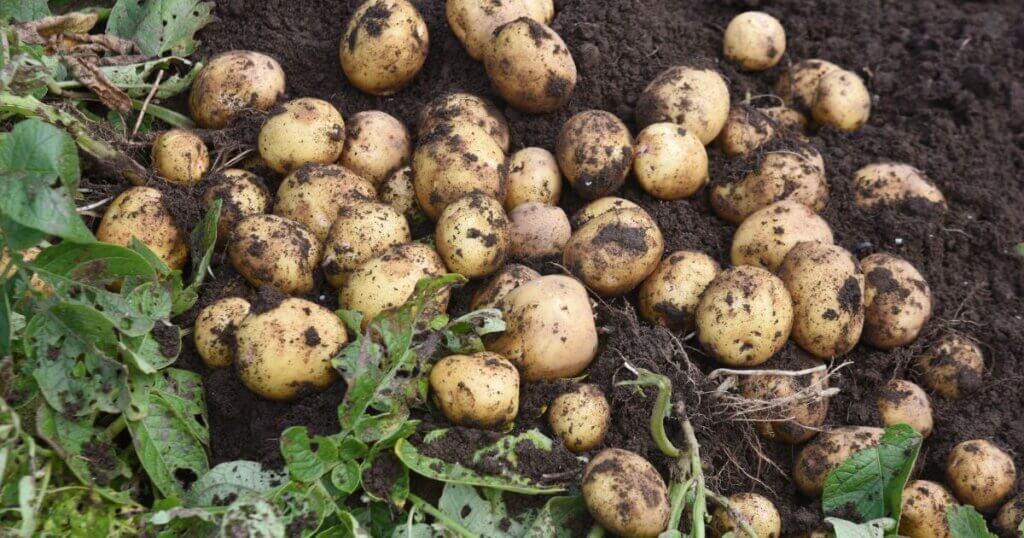
Many potato specialists, such as Irish Eyes Garden Seeds, have thorough information available about how to grow potatoes for maximum yield. (You can find a directory of Minnesota’s certified seed potato growers here.) Tomatoes also come in early varieties, and planting a range of tomatoes from cherries to big slicers, also extends the season.
Planting in Succession
We have a complete post on planting in succession, though, to summarize, this means planting over several weeks in the spring, sowing a few seeds or plant starts at a time, then sowing again in summer for fall crops. By timing your planting, you can ensure that the harvest season will last a longer time and that you will not be overrun by a single vegetable at any one time.

Mary Lahr Schier is a Minnesota gardener, writer and editor and author of The Northern Gardener, From Apples to Zinnias, 150 Years of Garden Wisdom (Minnesota Historical Society Press, 2017), winner of the Silver Award of Merit from GardenComm in 2018. For 18 years, she edited Northern Gardener magazine, the publication of the Minnesota Horticultural Society and the only magazine dedicated to gardening in USDA Zones 3, 4 and 5.
You may be interested in:
Extend the Season in Your Vegetable Garden, Part 2
By carefully choosing which crops and varieties you grow in your vegetable garden, it’s possible to extend the growing season several weeks in the North….
Book Review: The Four Season Farm Gardener’s Cookbook
Each year, publishers release dozens of gardening books, many of which are useful or beautiful. At the same time, hundreds of cookbooks are published, and…
July Garden Checklist for Northern Gardeners
Updated July 2025 With heat, humidity and occasional rains, many gardens will be exploding by early July. Fortunately, we gardeners can enjoy them with a…