



Companion Planting Basics + Benefits
Ed. note: This article supplements a larger feature on community gardening in the Fall 2025 issue of Northern Gardener. Learn more about how you may read issues online here.
Gardens are social!
Part of our job as gardeners is to set the stage for good garden conversations. The key to any lively party is diversity, so let’s welcome a wide variety of plants, pollinators and soil life to our garden party.
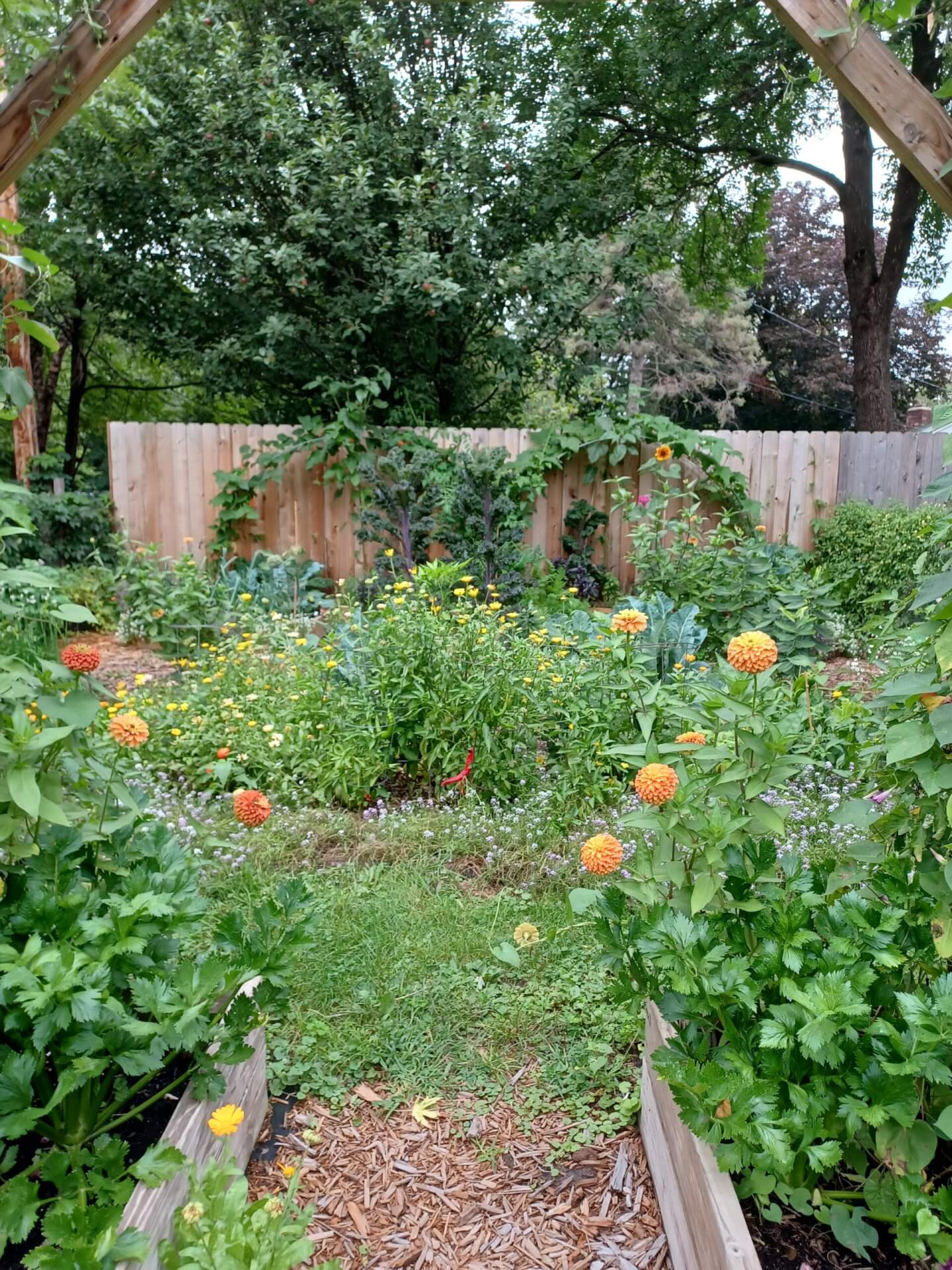
Benefits of Companion Planting:
- Healthier Soil
- Suppressed Weeds
- Balancing Pests + Diseases
- Increased Beneficial Insects
- Increased Harvests
Healthier Soil
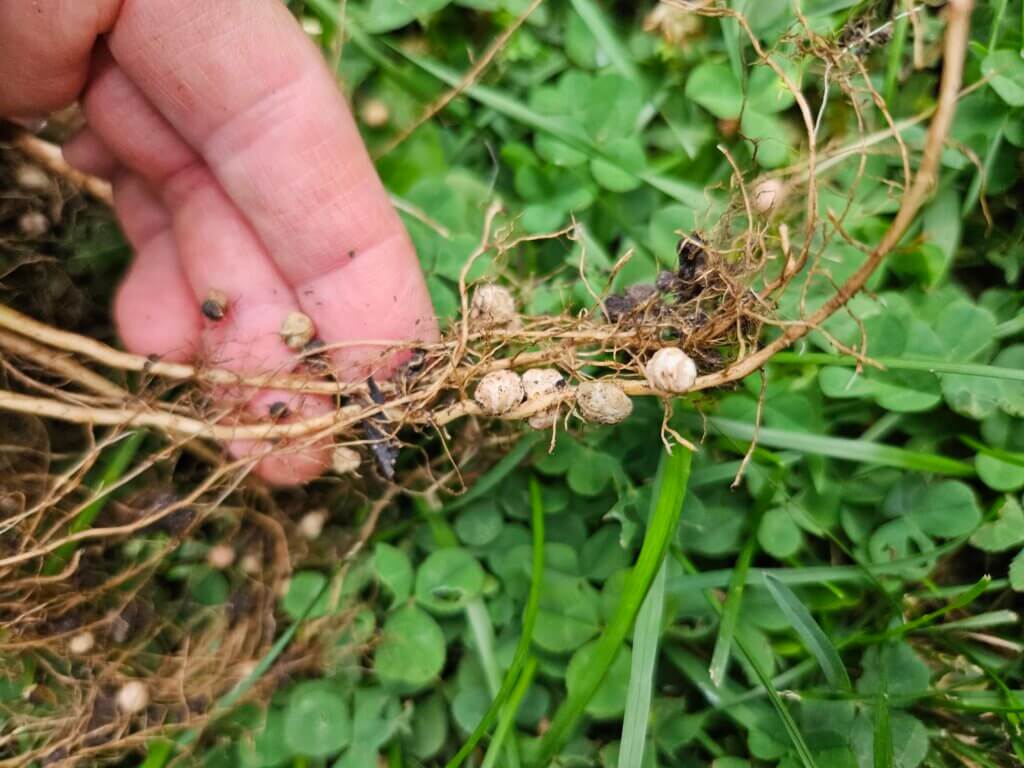
By feeding the soil microorganisms with organic matter to decompose and living roots to partner with we’re welcoming the underground life into the garden conversation. With jobs to do, these essential workers are more abundant, assisting our plants in so many ways. Mycorrhizae deliver requested nutrients directly to plant root.
Some plants are good at collecting nutrients from the soil and bringing them to the surface where other plants can access them. Earth worms create water and airways deep into the soil. What happens below the soil affects everything above it as well.
Another aspect of healthy soil when companion planting is resource sharing. This looks at root depth, water and nutrient needs of differing plants and grouping together so each plant has access to what it needs without taking from neighboring plants. Remember, good party guests don’t steal the spotlight (or the nitrogen).
Suppressing Weeds
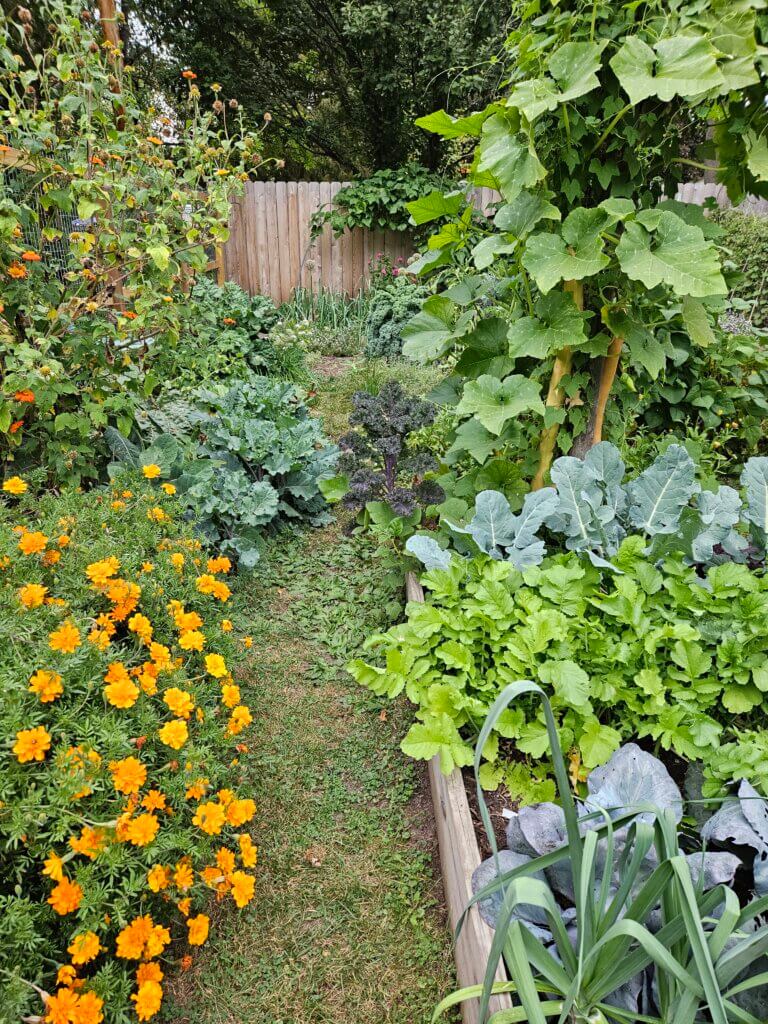
When we keep the ground covered by densely planting, we’re using a form of natural resource competition (the opposite of resource sharing) to restrict weeds. Underplanting, interplanting and succession planting can keep weed seeds from seeing the light of day and from ever germinating.
Some plants, like oats and yellow mustard, release chemicals as they decompose which restrict the germination of other seeds (called allelopathy). Cover crops or living mulches will also suppress weeds and reduce soil borne diseases by physically getting in the way of bacteria splashing up onto leaves from bare soil.
Balancing Pests + Diseases
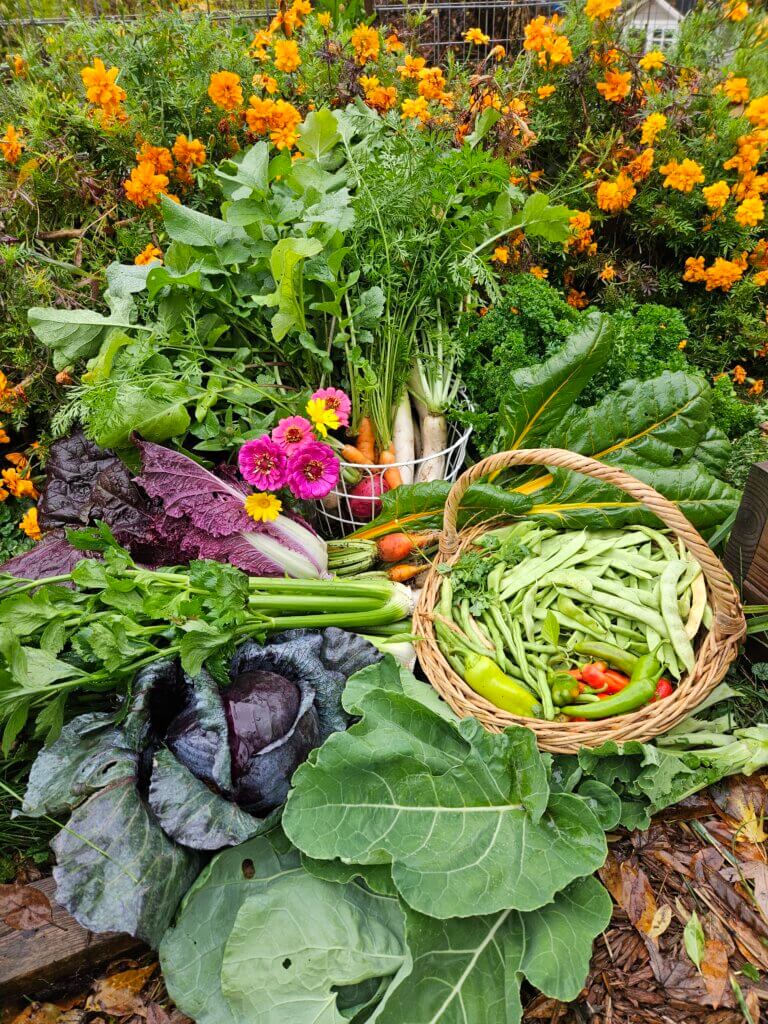
Attracting beneficials: Any plant that flowers will bring in some pollinators, but by planting certain blooms we attract certain insects. Specific blooms are more appealing to some insects based on size, shape and nectar or pollen provided.
Sometimes we need to welcome in some predatory insects, I think of them as the bouncers of the garden party. Umbelliferous flowers (dill, yarrow) provide the best shelter and food for various life stages of predatory and parasitic beneficial insects according to a University of Massachusetts study. Sweet Alyssum, daisies and yarrow specifically attract the parasitic winsome fly which preys on the Japanese beetle. Planting dense, large swaths makes it easier for pollinators to find.
Trap cropping: This practice works with specific plants to lure pests away from host plants because they prefer them over the host plant. Blue Hubbard squash lures cucumber beetles away from other squash (94% success rate according to a University of Connecticut study). Radishes lure flea beetles away from other brassicas.
Masking: A plant’s Volatile Organic Compounds (VOC’s) can overpower the host plant’s VOC’s and mask it from a predator trying to eat it or lay eggs on it. Basil plants mask tomatoes from thrips. Allium family plants mask peppers from aphids. These are all specifics that together can make a big difference in your overall harvests and the overall enjoyment of being in your garden.
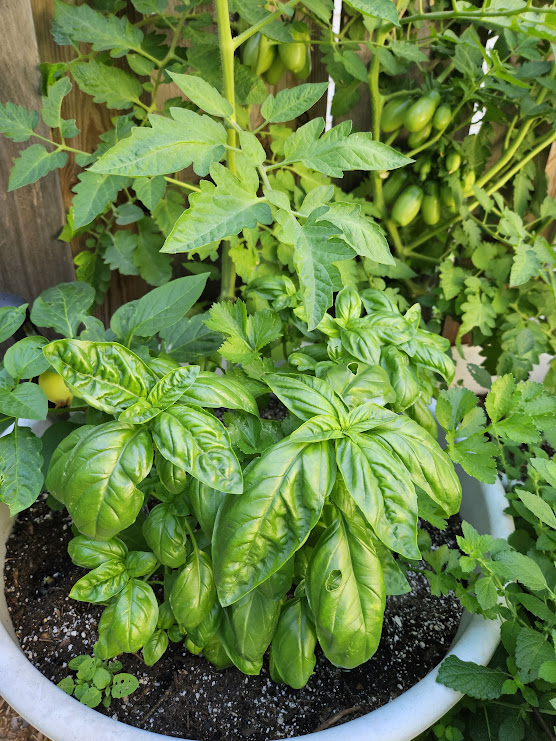
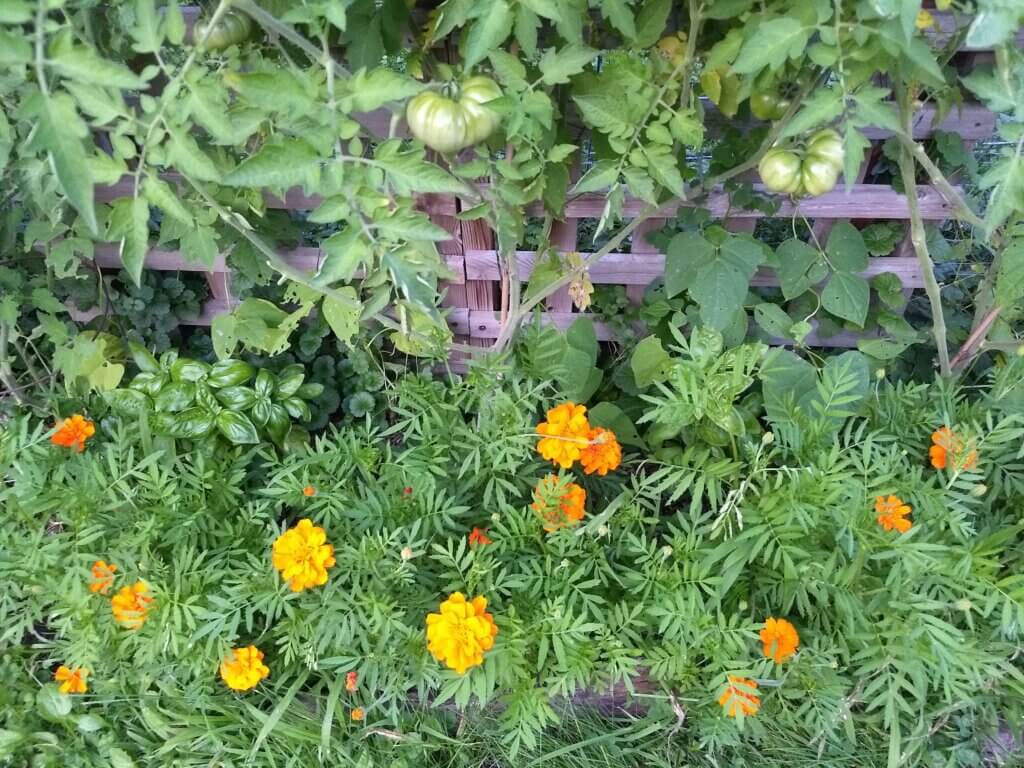
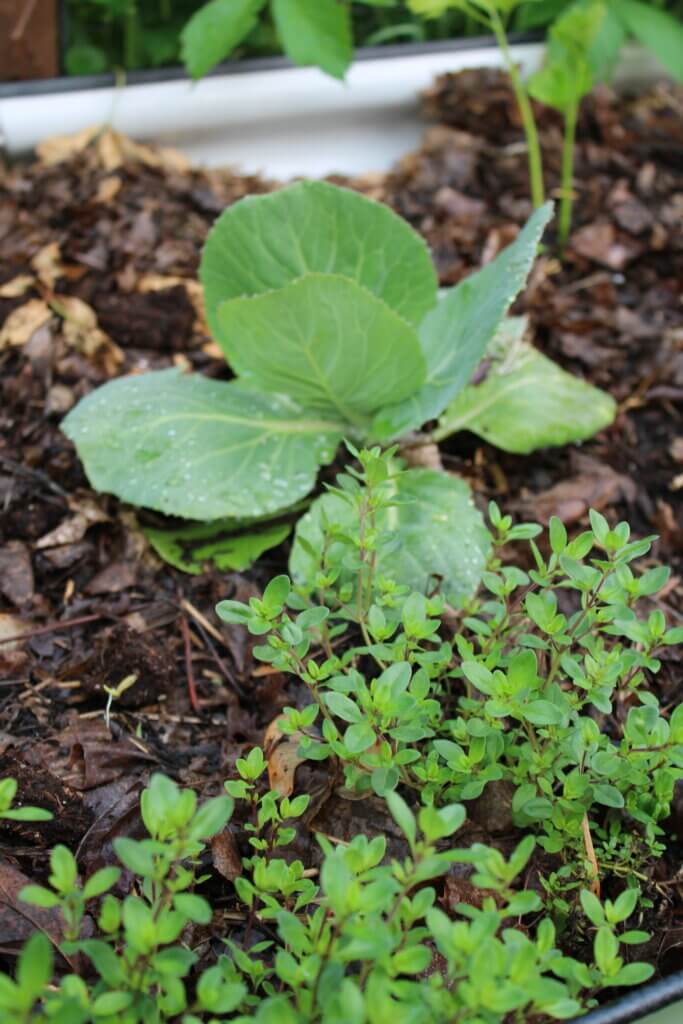
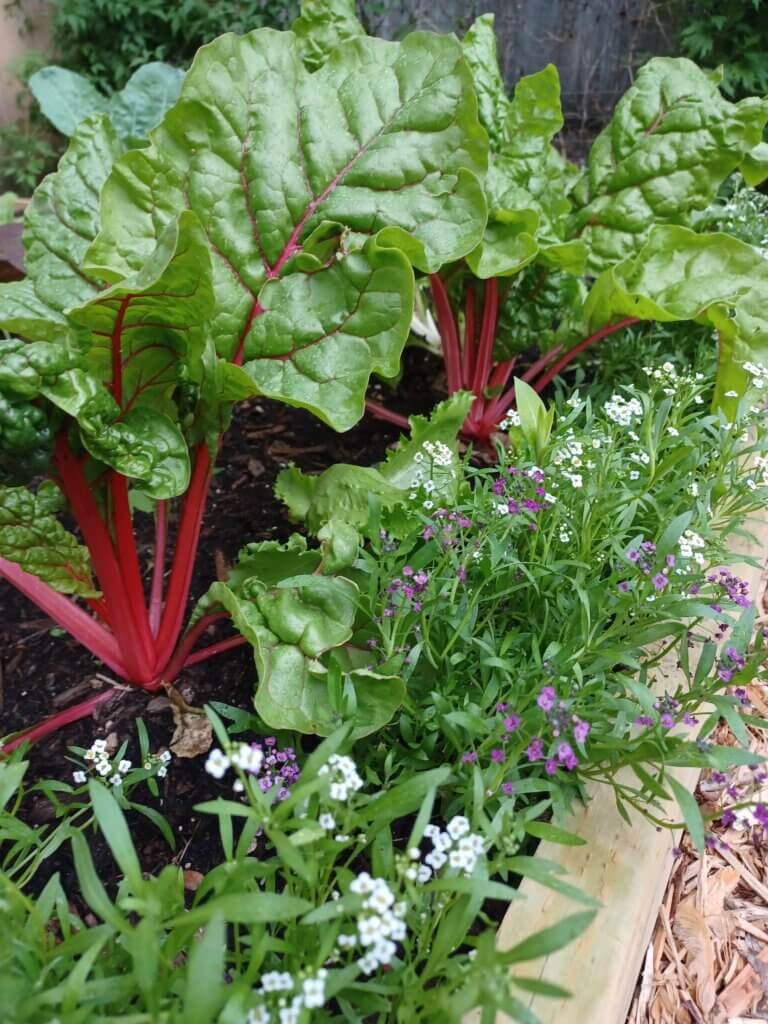
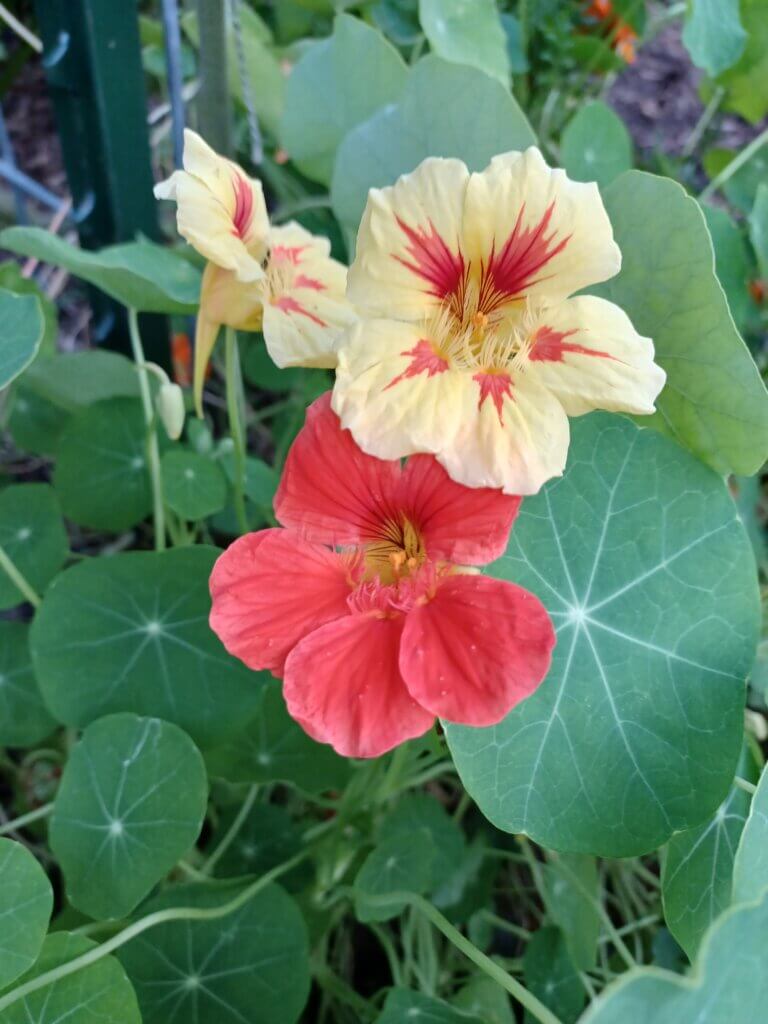
When you see the birds and bees visiting your plants or digging up lots of earth worms enjoying the rich loam of your garden, you’ll know you’re not only growing nutrient dense food—but including all of nature in the garden party that you’ve planted.
Photo credit: Michelle Bruhn.
Michelle Bruhn is a Minnesota gardener, writer, speaker, local food advocate and co-author of Small-Scale Homesteading (Skyhorse Press, 2023).
You may be interested in:
Plant Profile: Compass Plant
Seeing a prairie or a meadow full of blooming compass plant (Silphium laciniatum) in mid-to-late summer is an optimistic sight. Among the three species of…
Companion Planting: Basics, Examples, and Chart of 20 Common Vegetables
Companion planting doesn’t have to be complicated. This companion planting chart has a basic definition, with examples and practical applications.
6 Tips for Placing Plants
how do we place shrubs and flowers so that they look their best? The July/August 2021 By Design column discussed eight options. Here are six…