

Ask a Master Gardener: Invasive Plant Update
Let’s make a change in 2026.
Question: Which invasive pests and plants should we be on the lookout for this growing season?
Answer:
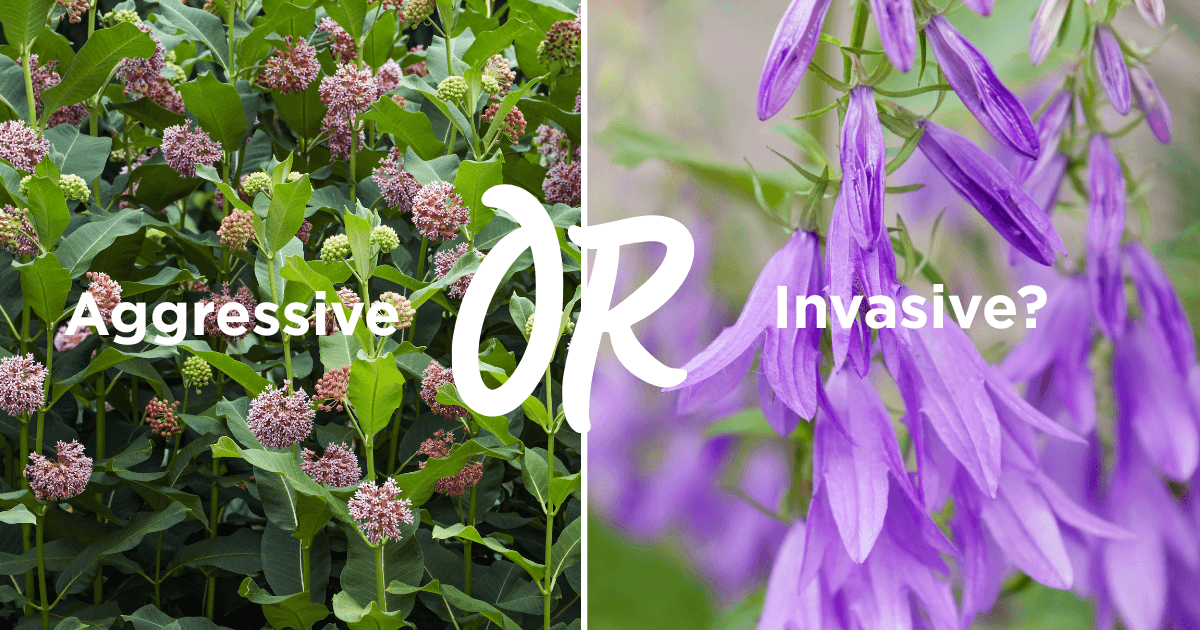
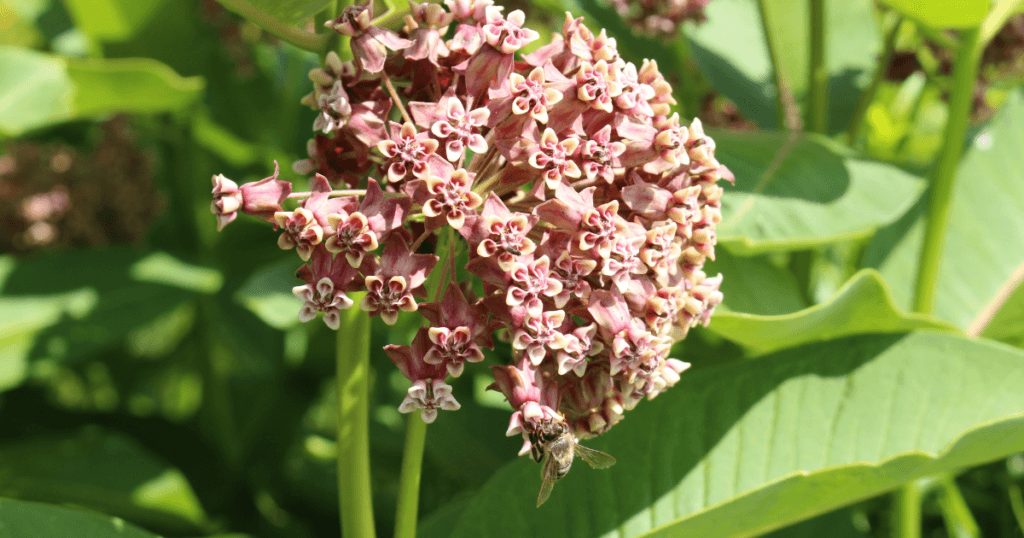
As far as plants go, the usual suspects will be around in high numbers this year: garlic mustard, creeping bellflower, creeping Charlie, Japanese knotweed, the list goes on. Chances are, if you have a plant that seems to be taking over your yard, it’s either an aggressive native plant that has the word “weed” in the name (like milkweed or joe pye weed) or it’s an invasive weed.
Identification is key to understanding whether a plant is friend or foe. Even the aggressive native plants are still friends to wildlife, but invasive plants are friends to no one—they provide little to no value to our bird and insect friends and they displace the plants that do.
How to identify invasive plants
The best place to start is to read up on invasive plants in your area, and then look at pictures. You could also dig one up and bring it to a farmer’s market, where a master gardener can help identify it for you. We’re at nearly all Twin Cities markets. According to the Ramsey-Washington County Watershed District, some of the most common invasive plants in the Twin Cities area are:
I see these frequently when walking around my Minneapolis neighborhood. Creeping bellflower is truly the bane of my gardening existence. Many of our “wild” areas, such as Fort Snelling State Park, are absolutely infested with garlic mustard and buckthorn, in particular. To this list I would also add a sixth plant that was sold in nurseries up until fairly recently and is still in many landscapes: Japanese barberry.
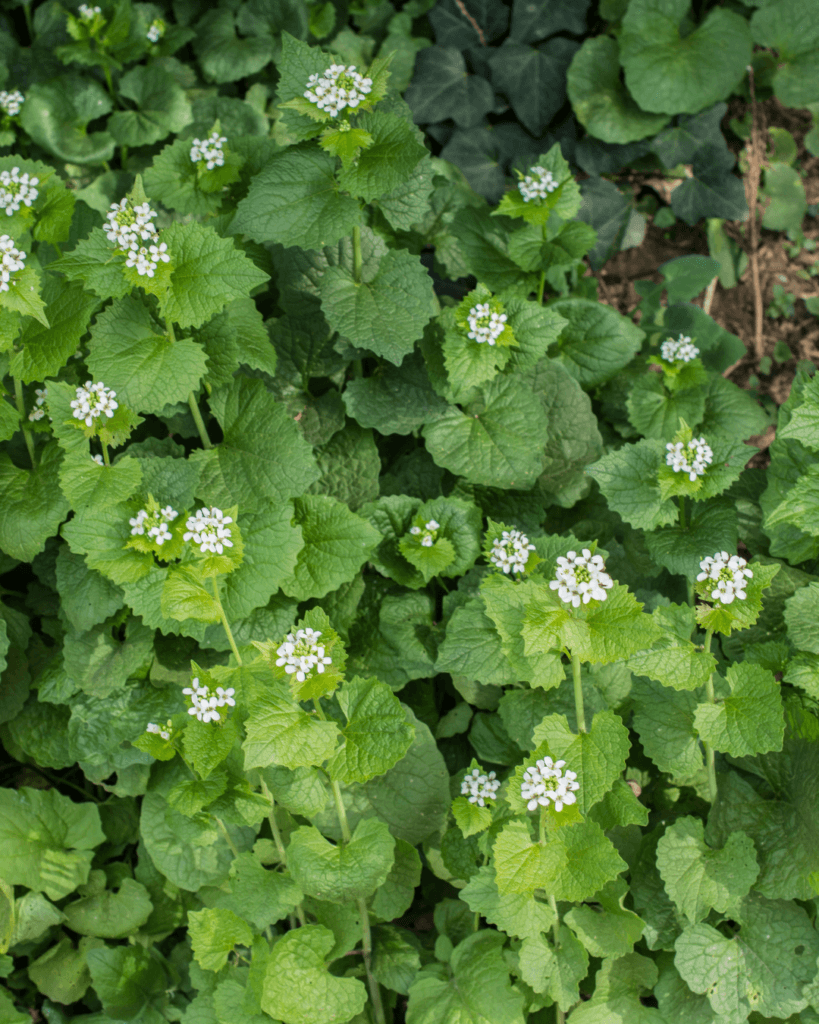 Garlic mustard
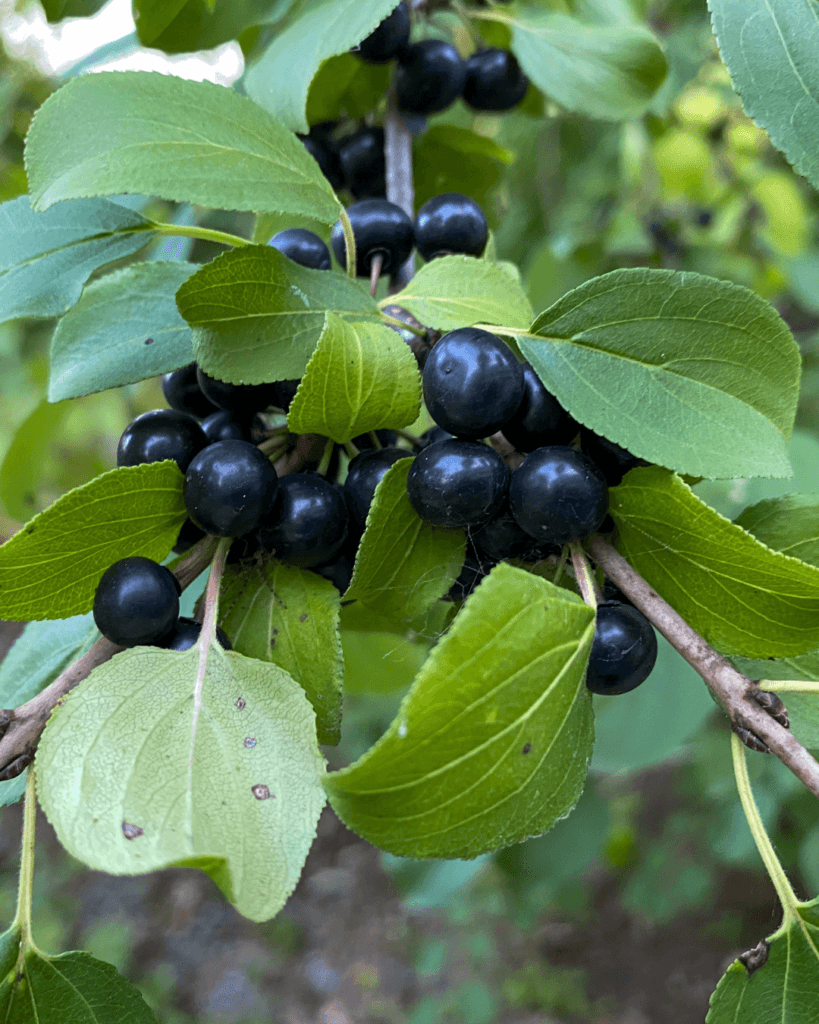 Buckthorn
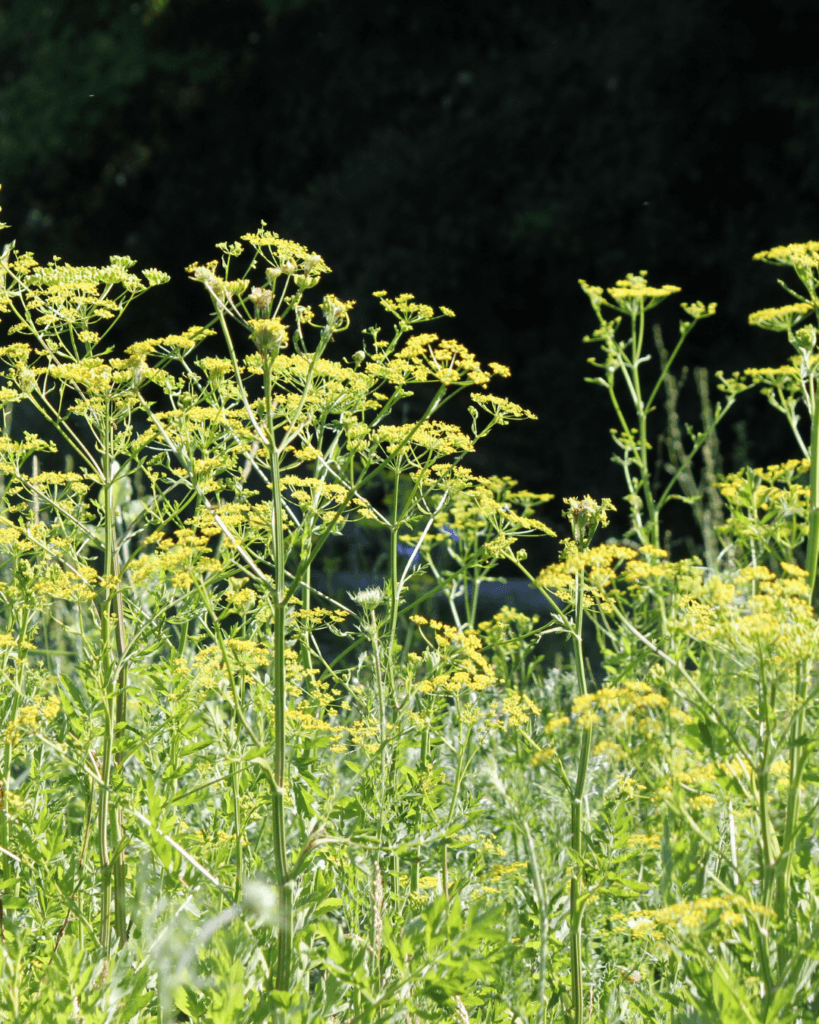 Wild parsnip
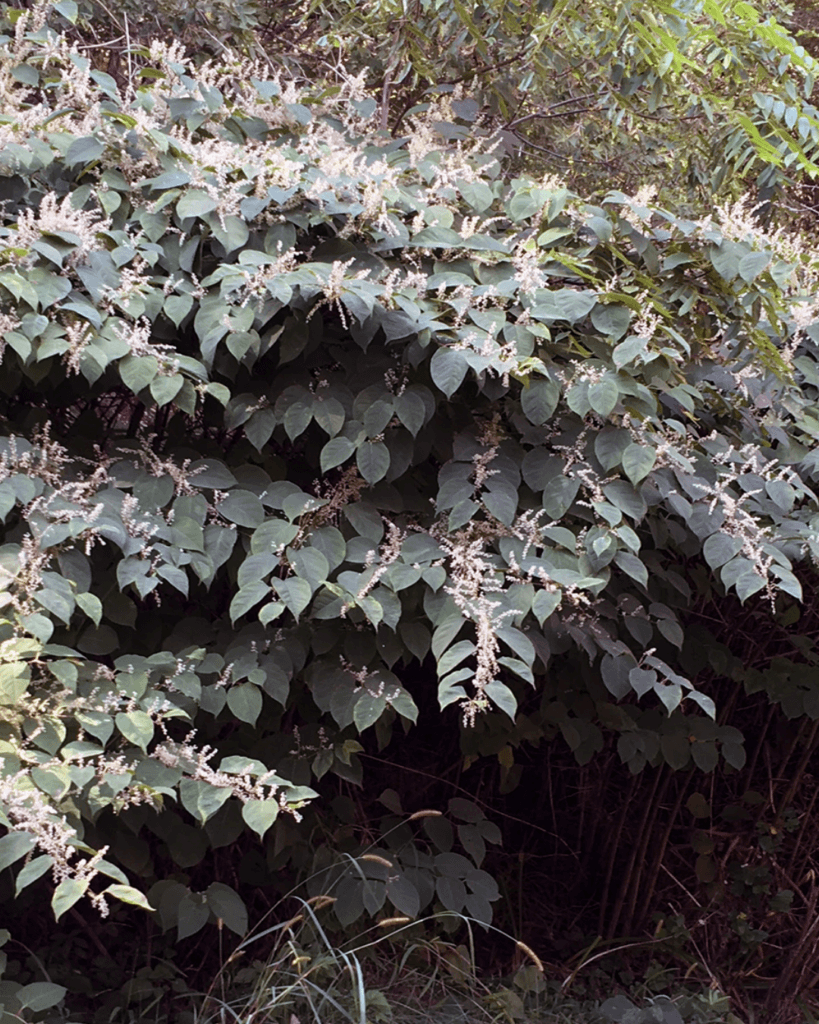 Knotweed
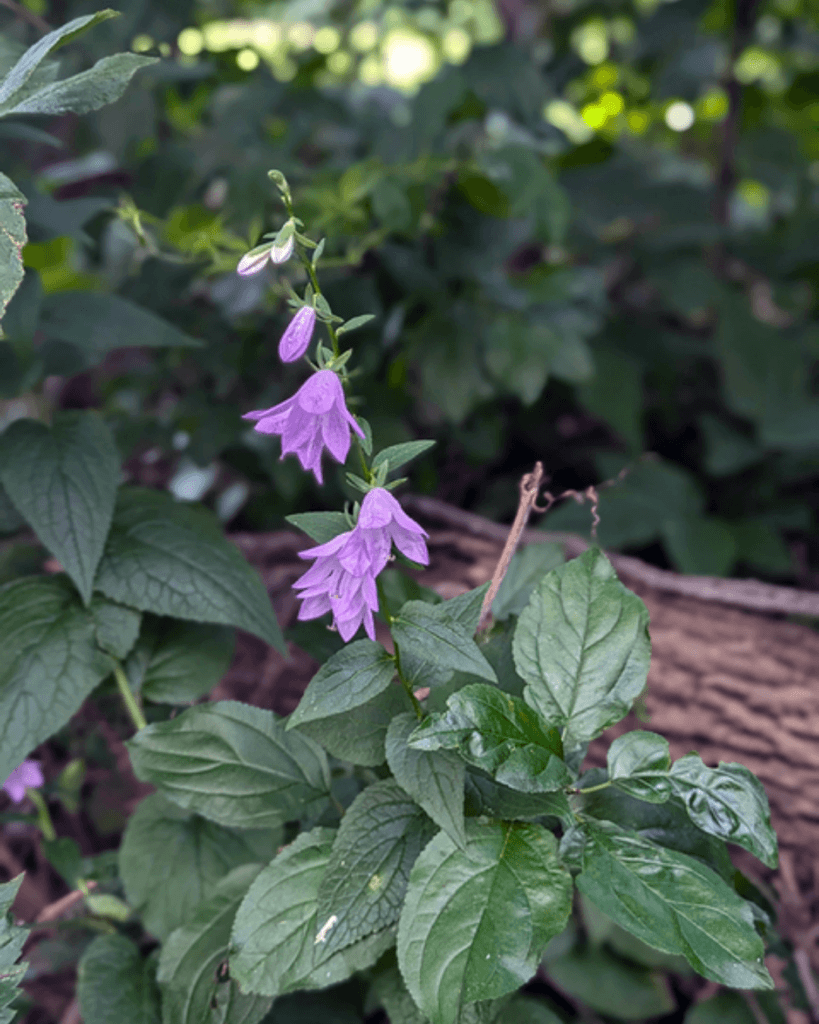 Creeping bellflower
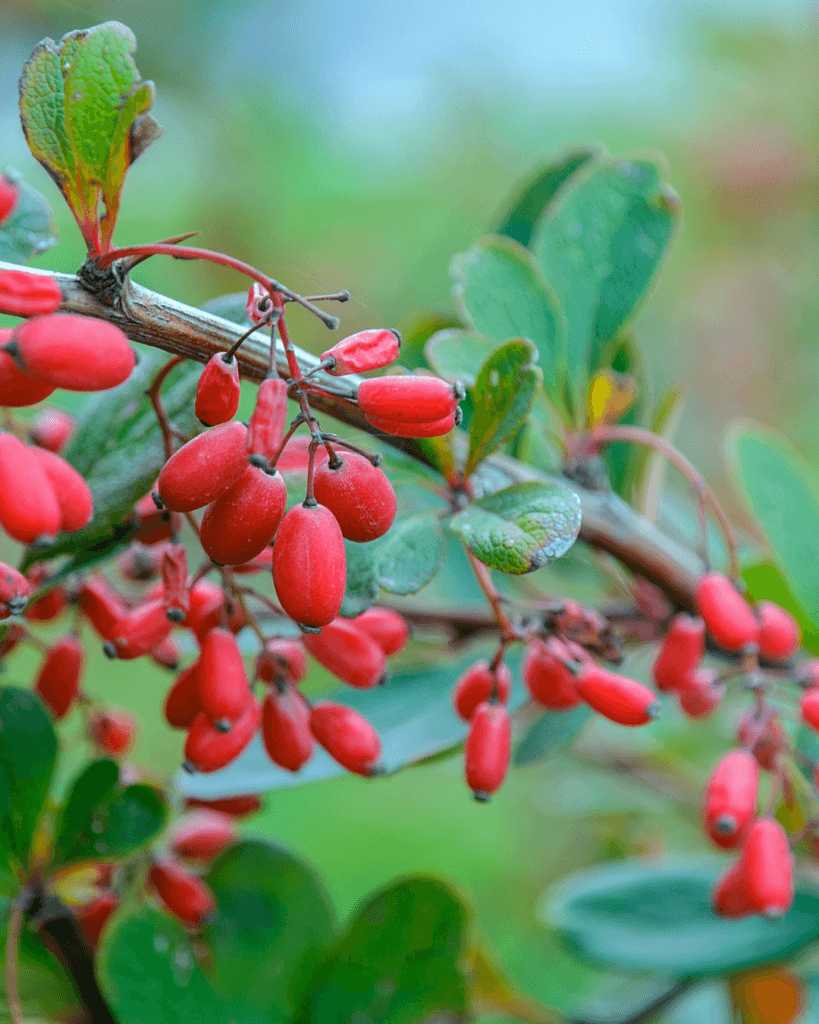 Japanese barberry
So, what’s the problem? Sure, they’re green and can be pretty to look at, and birds do love buckthorn berries. But here’s the rub. They did not evolve here; they were brought here by settlers in the last 200-300 years. Insects and animals that evolved here in North America did not evolve with them, so these plants have no natural competition to keep them in check. They spread throughout areas that are supposed to support our dwindling insect population, and the population collapse intensifies.
What can you do about the spread of invasive plants?
If you do nothing else, learn about these five plants, and then remove them if they’re in your yard. Many, many yards in my south Minneapolis neighborhood still have both creeping bellflower and buckthorn. If you have these in your yard, removing them is a huge plus for the environment. Your neighbors will thank you, too.
You can also participate in buckthorn removal projects, like this one.
Maybe you’re already familiar with these five. What are the others? See the full list here, and get to know the full breadth and depth of what we’re facing with invasive species, from common tansy to Japanese knotweed.
What about invasive insects in our region?
All the invasive insects we talked about in the fall of 2023 are still here, plus a new-ish one you’ve probably heard a little bit about: jumping worms.
Gardening questions? Ask a Master Gardener via our online form or call the Yard and Garden line at (612) 301-7590.
Other helpful resources:
The Master Gardener Volunteer program
Jennifer Rensenbrink is a University of Minnesota Extension Master Gardener Volunteer for Hennepin County. She somehow has two mini-prairies on her tiny south Minneapolis property.
Photo credit: Jennifer Rensenbrink.
You may be interested in:
Native Plant Species to Use Instead of Invasive Plants
Native Plants That Compete Well With Non-Native Invasives
Is there an area in your garden or property where it’s hard to get rid of non-native invasive plants? Or maybe you have a section…
Alternatives to Invasive Plants
Here’s the thing about plants that become invasive: They usually start out as a plant someone loves. Buckthorn was hailed as a great hedge plant…