



How to Maximize Veggie Garden Production
Summers are short here in the North, and we obviously want to maximize our garden harvest as much as we can. That’s easy if you have plenty of available space to expand your garden and add new beds as needed, but unlimited space isn’t always an option. If you’re nurturing your vegetable garden in limited space, don’t worry—there are still plenty of ways to increase your veggie production even in the area you currently have. Here are some tips!
Plant in raised beds
Research has shown that production is maximized when we use raised beds as opposed to planting in long rows. It’s a more effective use of space and looks tidy, too. You can try the square-foot gardening method or improvise—it’s up to you!
Grow what you can vertically
This is sometimes easier said than done, but if you can maximize your available space by going UP, you’ll pack a lot more into your existing garden beds. To achieve this, you can use trellises or fencing to grow your plants vertically. This method works especially well for pole beans and peas, obviously, but can also be adapted for cucumbers, squash, and other vegetables.
Don’t (always) follow the rules
Confession: I don’t always follow the recommended spacing requirements on the seed packets. I follow them for depth, of course, but I fudge a bit on the “allow 3 feet between rows” thing. You can bend the rules a little too. Strive to work with your available space and strike a good balance between plant health (don’t overcrowd plants) and thoughtfully adjusting the spacing when it makes sense.
Keep on planting
Succession planting isn’t always easy in colder climates because the window of the growing season is so short, but you can definitely attempt succession planting with quick-growing veggies. For example, after you harvest your garlic in July, fluff up the bed and plant peas or radishes. You’ll effectively double your harvest from that garden bed—plus you’ll be enjoying fresh peas later in the season than you might otherwise—always a win-win.
Intercrop plants
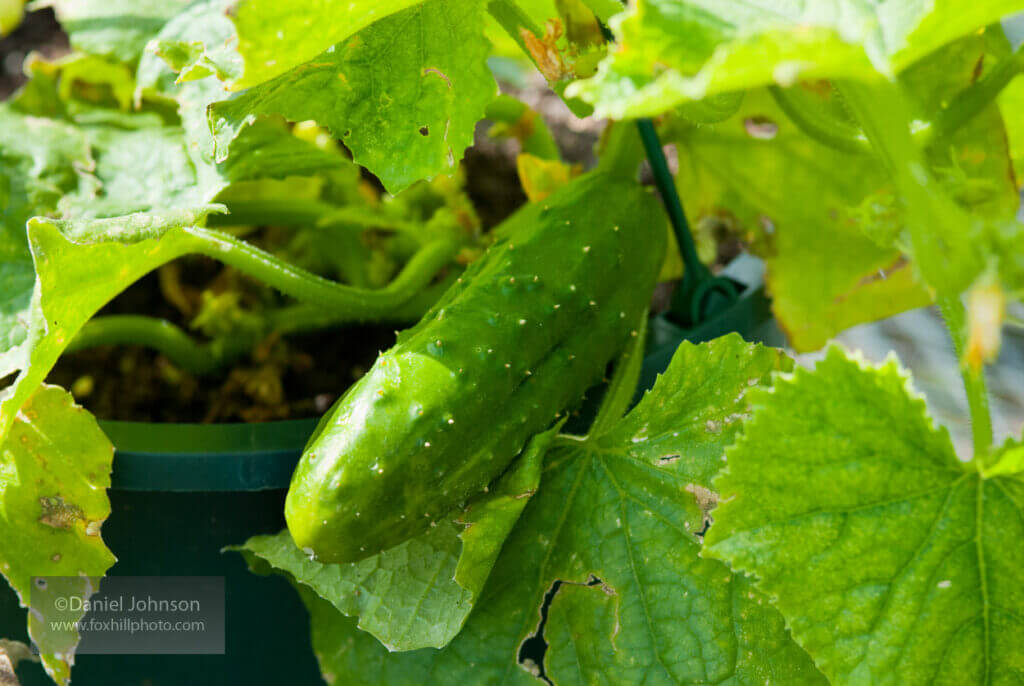
What’s more fun than finding the perfect little empty space in a garden bed and using it to slip in a handful of bush bean seeds? You don’t always need to devote an entire garden bed to a single plant variety. Put in five hills of cucumbers and then tuck an eggplant in the empty corner. Or take note of all that unused space next to your peas and grow carrots alongside them.
Maximize with containers
Your garden beds may be limited, but containers can provide a surprising amount of additional space on your deck or patio. Not all veggies are adaptable to container life, but many of them thrive in containers, including tomatoes, peas, peppers and more. Added bonus: containers are portable, so if an early season frost comes calling, you can easily move your containers indoors for the night and back out again when the frost danger is past.
May the harvests from your garden be abundant this season! Have fun!

Samantha Johnson is the author of several books, including Vegetable Gardening for Beginners: Learn to Grow Anything No Matter Where You Live (New Shoe Press, 2023). She writes frequently about pets, gardening and farm life.


Your article on container gardening is very reassuring. I’ve had tomato plants in big black plastic pots (from tree purchases) on my deck, for many years, and they do very well. I didn’t know they should be watered daily, so I’m glad you said that. Jim S. Lakeville
I garden vegetables with rotation, succession, companion planting, verticle and no till garden ideas. I hope to harvest my garden for six months. Thank you so much for all the help. Sp