


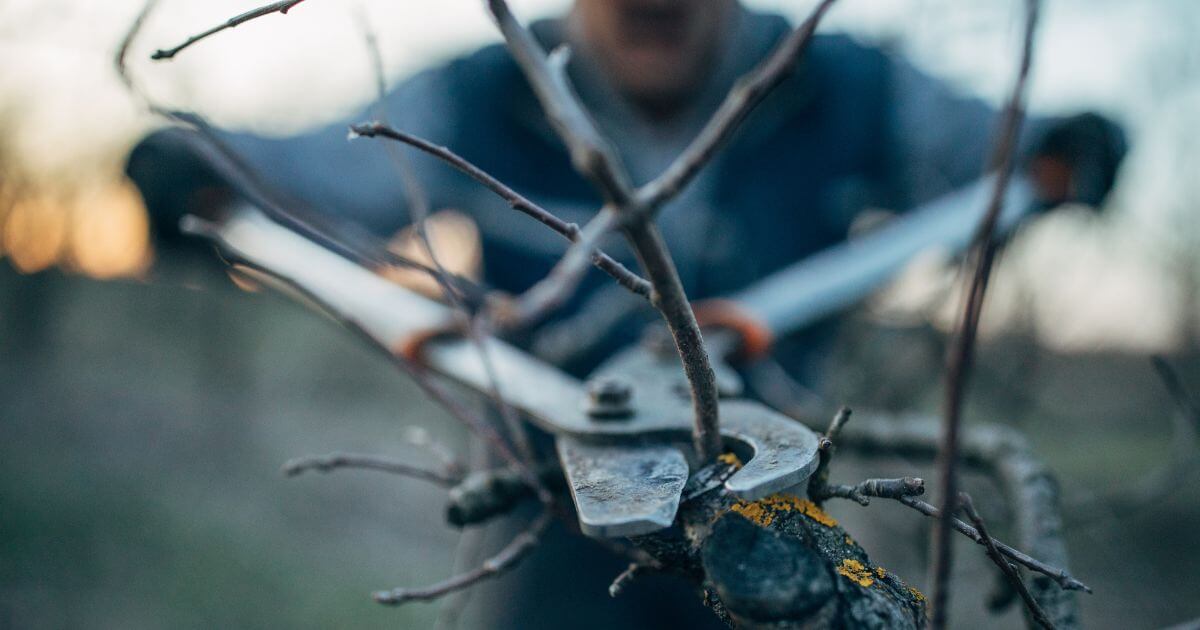
When to Prune Trees (and Why)
Pruning is one of those gardening topics that has an air of mystery about it. When is the best time to prune trees? Why do you prune them? And how should you do it? Curious gardeners want to know. Here are the basics.

When to Prune
February and March are generally considered the best time to prune trees in the North. The weather is still cool enough that the trees are in their dormant state and they will have time to repair any wounds during the spring. Given our erratic springs of the past few years, it might be best not to wait too late into March to do pruning. A warmish, sunny day is ideal pruning weather.
Why Prune
The goal of pruning is to keep your trees healthy and shapely, to promote flowering and fruit and to keep your neighbors safe from falling branches, obstructed views and other hazards.
How to Prune
This depends on the tree. Some flowering shrubs like lilacs, for example, should be pruned after flowering. Generally, the first step in all pruning is to remove any potential problems. First, look for and get rid of the three Ds: dead, diseased or damaged branches. You will also want to remove any branches that crisscross or rub together, stray stubs on the tree from past pruning, “water spouts” that shoot straight up toward the sky and those suckering branches coming from the base of the tree. If you are going for a longer trunk, you may want to remove branches below a certain level.
After that, the goal is to shape the tree. Consider where the main branches should be and what the tree’s natural shape is, whether vase, upright or spreading. The University of Minnesota Extension Service has a helpful fact sheet with drawings showing where to make cuts and how. Overall, you do not want to cut more than about one-third out of a tree you are pruning. And, it’s not a good idea, for either health or aesthetics, to “top” a tree. Topping involves cutting branches from the leading branch and around the top, like you are giving it a haircut.
A Few Warnings
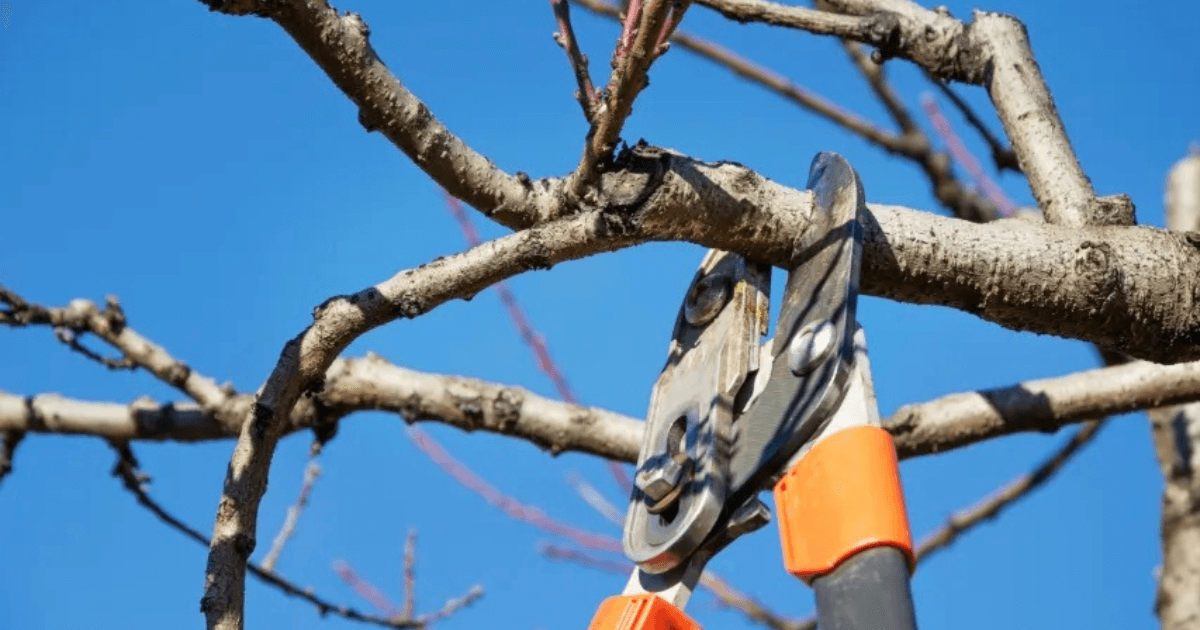
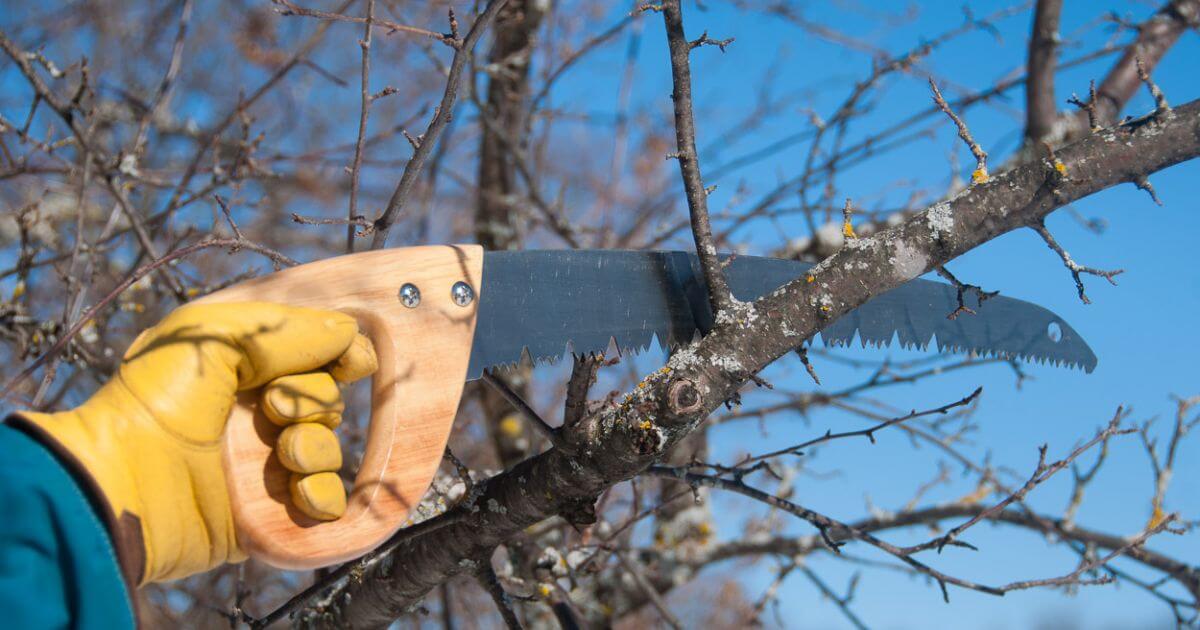
Never prune near electrical or utility lines. Let your city know if trees near power lines need pruning. Be aware of your own limits. I prune all of my smaller trees myself using several types of bypass pruners and a pruning saw. For trees that require tall ladders and have large branches, I call in a pro.
Mary Lahr Schier is a longtime Minnesota garden writer. Her website is mynortherngarden.com.
Thanks for the reminder and suggestions for proper pruning. We pruned our young apple tree at church last spring and never had such an abundance of apples in the fall. We gave bushels away. I’m certain it was due to pruning