



How to Help Your Garden in the Wake of Too Much Rain
So, if you’ve looked outside in the Midwest lately, you know it’s been raining. I would go so far as to say it’s been raining a lot. And while at first we were all excited (yay, rain!!!!!), we’re now a little less enthused about seeing another raincloud pop up on the radar.
Our gardens can only take so much rain, after all. And as difficult as drought years have been (and we’ve all been through that, too), a season of excessive rain can produce its own unique set of problems in the garden, from weeds and pests to disease and soil issues.
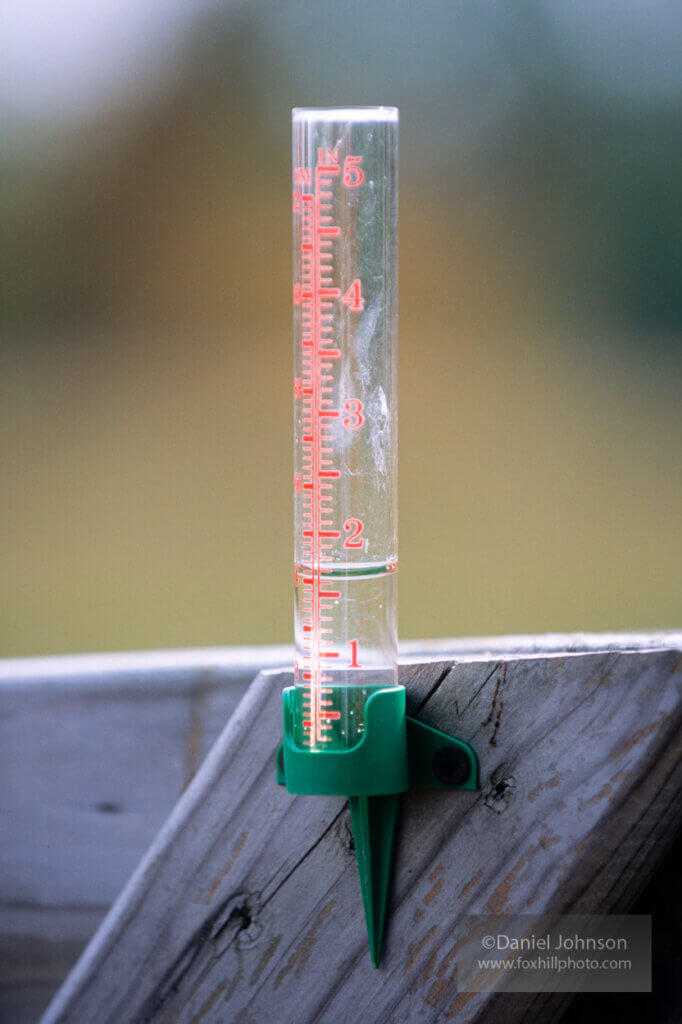
If your rain gauge is overflowing and your garden beds are crying for the chance to dry out, here are some ways to help your garden in the wake of the rain.
- Temporarily remove mulch around your plants. Mulch is usually your friend, but not during periods of significant rainfall. Removing the mulch will give the soil underneath the chance to dry out much faster.
- Keep an eye out for plant diseases and leaf infections. The wet conditions and associated humidity can increase the prevalence of diseases such as early blight and downy mildew. Be vigilant and remove any diseased material quickly.
- Go after weeds. Plenty of rain equals plenty of weeds, but when weeds are thick, they reduce the airflow around your plants. Keeping up with weeding will help promote good airflow and healthy plants. (Bonus: weeds are easier to pull when the soil is wet, so that’s a win-win! Caveat: the wet soil will also be loose around your plants’ roots, so be careful not to dislodge those while you’re weeding.)
- Trim the lower leaves on your tomatoes and peppers so they aren’t trailing in the wet soil. This will help with airflow, too.
- Check your containers to be sure they have working drainage holes. Soggy, waterlogged containers make for sad plants.
- Stop watering. You’ve probably already done this, but just for the record: stop watering until the soil has had a chance to dry out.
- Add trellises. For plants that like climbing, train them to a trellis to get them off the ground, which also promotes air flow.
- After the rains stop, consider replacing nitrogen in the soil. Heavy rains can flush nitrogen from the soil—you may wish to replace nitrogen in some cases.
- Stake plants as needed for additional support after heavy rain.
- Loosen areas of compacted soil to allow for better water drainage.
- Control pests. There’s been an earwig population explosion in my garden this year thanks to all the rain. Slugs are more prevalent in rainy seasons too. Neither pest is a benefit to your plants, so you may want to take steps to minimize their presence in your garden.
- Get creative with container placement. Move them indoors, or put them in protected places like under eaves. Container plants suffer more in rainy seasons than plants in the ground or in raised beds, and if the containers are small enough to move, you can provide quick relief from incessant rains by moving the containers to dry locations.
May sunny skies shine (with appropriately placed intervals of gentle rains) on our gardens for the rest of the season!
Samantha Johnson is the author of several books, including Vegetable Gardening for Beginners: Learn to Grow Anything No Matter Where You Live (New Shoe Press, 2023). She writes frequently about pets, gardening and farm life. Visit her online portfolio at https://authory.com/SamanthaJohnson.
You may be interested in:
Who Can Answer My Gardening Questions?
Even the most experienced gardeners need growing guidance sometimes. The good news? Help is often closer than you think, if you know where to look. Here is a list of trusted resources to consult.
Replace Part of Your Lawn with a Prairie Pocket Garden and Help Pollinators
This webinar presented by Metro Blooms Design + Build Vice President, Jen Ehlert, will teach you the steps you need to remove your lawn and install a new pocket pollinator garden.
July Garden Checklist for Northern Gardeners
Updated July 2025 With heat, humidity and occasional rains, many gardens will be exploding by early July. Fortunately, we gardeners can enjoy them with a…