


An Ode to Sweet Basil
How do I love thee, oh sweet basil? Let me count the ways!
I love thee pummeled to a pesto paste with pine nuts, olive oil and garlic then tossed with parmesan cheese and al dente pasta.
I love thee rolled and cut in delicate flavorful strips, chiffonaded, to bring thy essence to the food and not leave it on the cutting board.

I love thy fresh leaves spread on pizza dough along with juicy sliced tomatoes, and fresh mozzarella cheese, creating the simple but delicious Margherita pizza.
I love thee in a fresh salsa with thy slivered leaves sprinkled on fresh chopped tomatoes with minced garlic, extra virgin olive oil, and artisan vinegar.
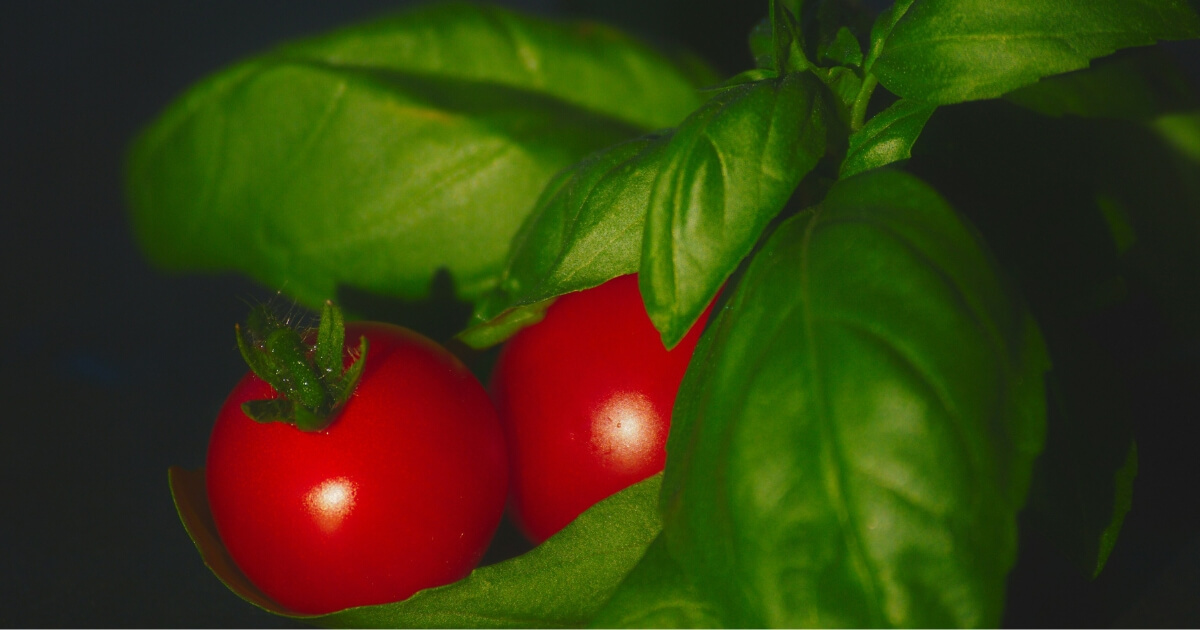
But most of all, I love thee in the garden with thy fresh picked leaf wrapped around a sun-ripened cherry tomato and blessed with a few drops of balsamic vinegar. (No better reason exists for tucking a small bottle of balsamic in the gardening apron.)
Enough of rapturous poetry, but basil, in all its many forms, is worthy of the words. Whether dark purple opal basil, classic Genovese basil, cinnamon or lemon basil, the fresh leaves punch up the flavors of many dishes. And it’s easy to grow. (Ed note: for some interesting disease-resistant varieties, check out this post).
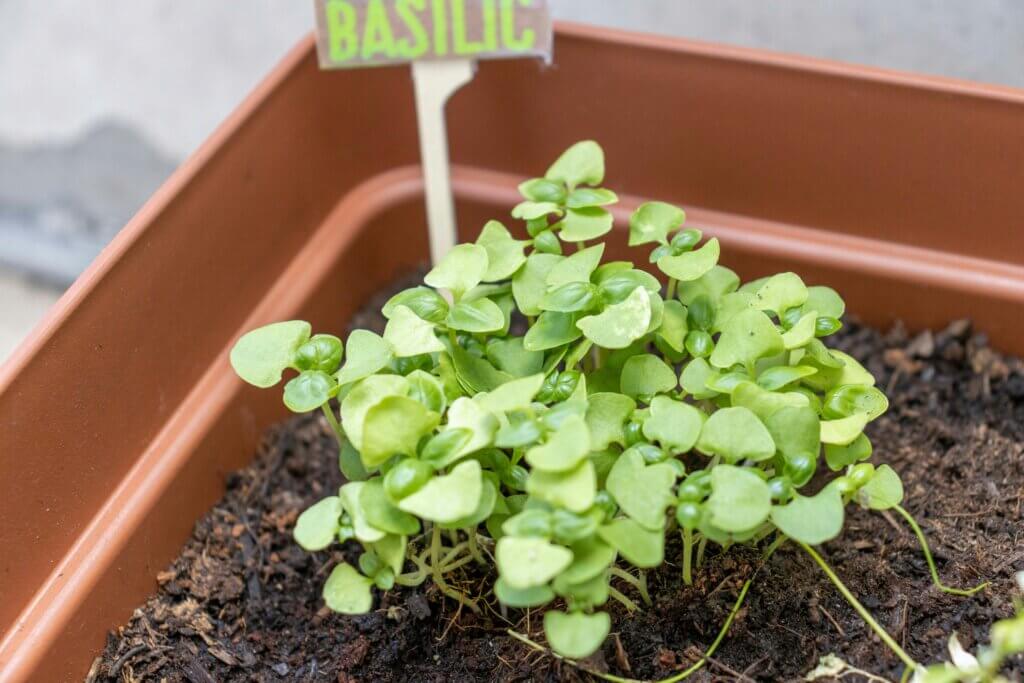
Sprinkle the seeds in prepared soil after all danger of frost is past. Cover them lightly with soil and watch for the distinctive first leaves, like tiny ginkgos, after ten days to two weeks. They can be slow to germinate but don’t give up hope. They won’t disappoint.
When the first true leaves have reached full size, you may begin using the basil. If your plan is to make and freeze pesto, cut the tops of the plants before they flower, choosing a lovely morning as the dew dries but before the sun has a chance to burn off essential oils.
Yes, wash the leaves. Where there are birds and bugs there are reasons to wash your food. Rinse in cold water and spin in a salad spinner or blot between cloths or paper towels. Remove the leaves from larger stems.
If your intent is to dry the basil, hang it while on the stems in a dark place with plenty of air circulation. Drying in the dark will help preserve the color.
Basil is an annual plant and will not come up on its own in subsequent years. It is also a delicate plant and will not tolerate frost. It doesn’t really like being transplanted and efforts to pot it and bring it inside in the fall usually results in a wimpy, mildewy, sad looking plant.
Love your basil, seasonally, in all its many ways! To get started, check out this post for a delicious recipe idea.
Nancy Packard Leasman is a columnist, artist and gardener who maintains 40 acres in central Minnesota. See twiggerprofiles.blogspot.com, etsy.com/shop/leatherwood and qdpainting.blogspot.com
You may be interested in:
Better Basils: New Disease Resistant Basil Varieties
Basil is a pleasure to touch, smell, taste and harvest. It pairs with tomatoes as deliciously as strawberries pair with rhubarb and can even be…
Plant Profile: Sweet Potato
It’s hard to imagine a Thanksgiving meal without sweet potatoes. In my mind, they’re more important than the turkey. Let’s take a closer look at…
A Delicious Basil Recipe
Our Northern Gardener copy editor Julie is a basil fiend. She grows lots of basil and freezes bags and bags of pesto for winter eating….