



Spreading Plants are Our Friends
“It’s taking over,” exclaims another exasperated homeowner, examining their bumper crop of spreading perennials. “It’s crowding everything else out” and “I’ll be pulling this up for weeks.”
Sound familiar? I talk with hundreds of homeowners every year during on-site landscape consultations, and one of the most common issues people look for help on is controlling spreading plants.
Every spring, gardeners around the world purchase plants from nurseries with eager anticipation to watch their new little beauties grow and blossom in their home gardens. We imagine the new plants finding their place and filling in for years to come until they reach just the right size. We picture every plant behaving well in its place, doing exactly what we’d like it to do. Plants should follow the rules, they should grow how the tags in their containers say they will. When one or more of our garden plants decides life is good in our garden and starts spreading into areas we didn’t plan for, it can feel overwhelming for many gardeners.
What if I told you that rapidly spreading native plants are our friends? What if I could show you that spreading native plants are the best possible strategy for low-maintenance gardens? Would you tell me to go kick rocks?
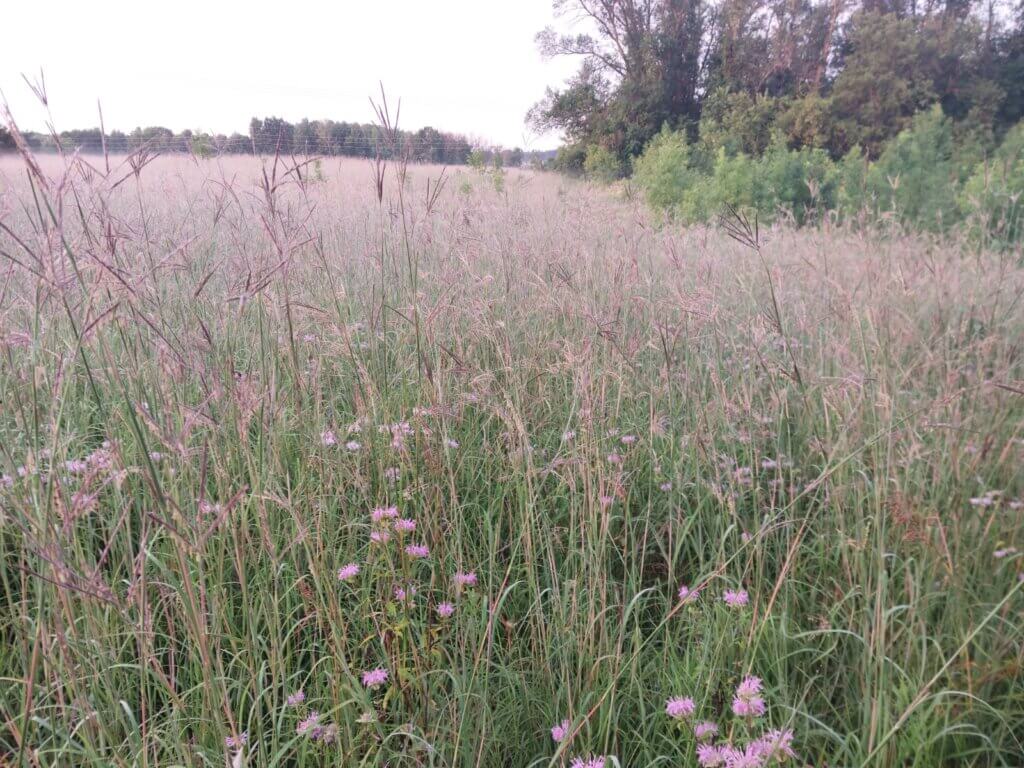
A plant that spreads 20’ wide might feel out of context in our urban and suburban gardens. All of our gardens exist in a certain time, a defined space, and have been grown and tended as part of what can be seen as an expression of our current culture.
When it comes to spreading plants, it’s all about scale and context. The classic English cottage garden that we model so much of our American landscape industry after displays neatly kept perennials separated with small spaces between, each sitting in their own perfect spot, complimenting the designer’s thoughtful approach as they grow. When one or more plants decides to move through the garden on their own, it throws off the intended design and frustrates our ability to control the aesthetic. Obviously, this is a problem, right?
Let’s back up, though, because we’re not in England. We’re gardening in the middle of North America. Only a couple hundred years ago, most of North America was covered in unbroken habitat. Spreading native plants grew together in vast communities forming prairies, wetlands, and forests abundant enough to support millions of native American people for untold centuries. Settler colonists from all over Europe decided they had a god given right to come to America, kill the native people and start reshaping the land to fit their European lifestyles. American gardening habits today are a strong reflection of the colonial attitudes bequeathed by genocidal ancestors.
Heavy? Well, who’s land are you gardening on anyway? Is it really yours? Did your ancestors live here, caring for the land for hundreds of generations? What will happen to the land when you are gone? When your grandkids’ grandkids are gone, what will this land look like?
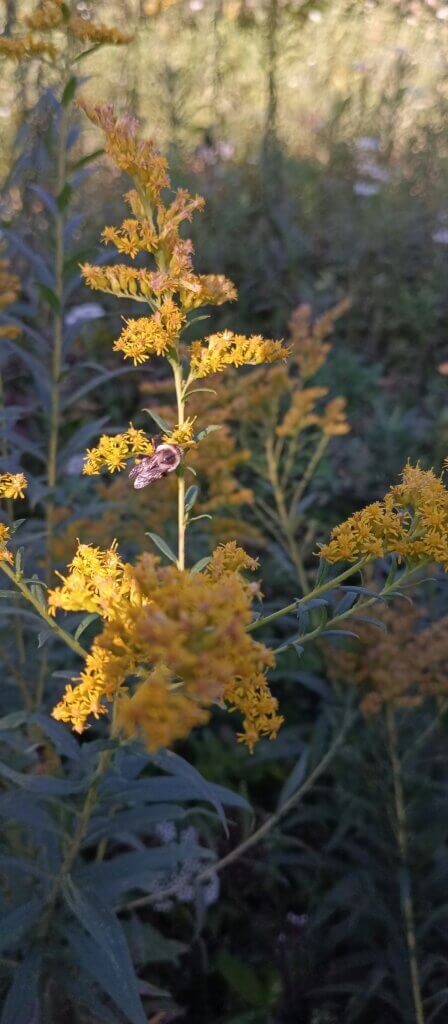
Imagine a time when that Joe Pye weed, milkweed, or goldenrod that has spread all over your garden was part of a wetland or prairie. Some of these plants that we think are too big when they get a few feet across used to grow in two- or three-acre sections of land, spreading thousands of roots and shoots per plant. When plants spread hard, they offer many important benefits. Think of all the carbon sequestered and rain water cleaned by extensive root networks, the multiple layers of both foliage and roots that form canopies of habitat above and below ground, and the dense populations of insects including pollinators that would rely on such vast sections of native plants.
Of the hundreds of homeowners I consult with annually, almost every person requests low-maintenance designs and strategies for keeping their landscape. This begs the question, what are the highest and lowest maintenance types of landscape we can grow? Lawns require weekly mowing, fertilizer, pesticides, and irrigation; this makes them among the highest maintenance landscapes in North America. English gardens are a close second in maintenance needs, requiring ongoing weeding, mulching, transplanting, dead-heading, splitting, and clean-up to keep in shape. Native gardens filled with spreading plants are easily the lowest maintenance style of landscape I work in.
Spreading native plants crowd out weak non-native plants and weeds. Where there’s a strong, tall section of New England aster, cup plant, big-bluestem or bee balm for example, there won’t likely be a heavy presence of weeds because the native plants can out-compete and over-grow the non-natives. But what about native plants that get crowded out by other natives? Plants less suited for the soil and sun conditions present in any given space will flounder while plants installed into soil and sun conditions that fit their genetic requirements will thrive. We should feel blessed if one of the species we intentionally planted decides conditions are perfect and starts taking over because in taking over, native plants are reducing our maintenance needs.
Low-maintenance garden designs include multiple types of spreading native plants used in large groups strategically placed to abut one another and mingle as they grow. Spreading native perennials should be installed at about one per 1-2 square feet to create a fast take-over by natives. Seeding around container installed plants with a short prairie mix or a bee lawn seed blend will encourage even more rapid take-over than planting alone. Blending in three inches of healthy compost before you install and seed will provide nutrients and water at a higher rate than plants could get out of soils without compost, allowing plants to grow even faster. Following these planting strategies encourages the plants you install to gain ground and hold off weeds, resulting in lower-maintenance landscapes.
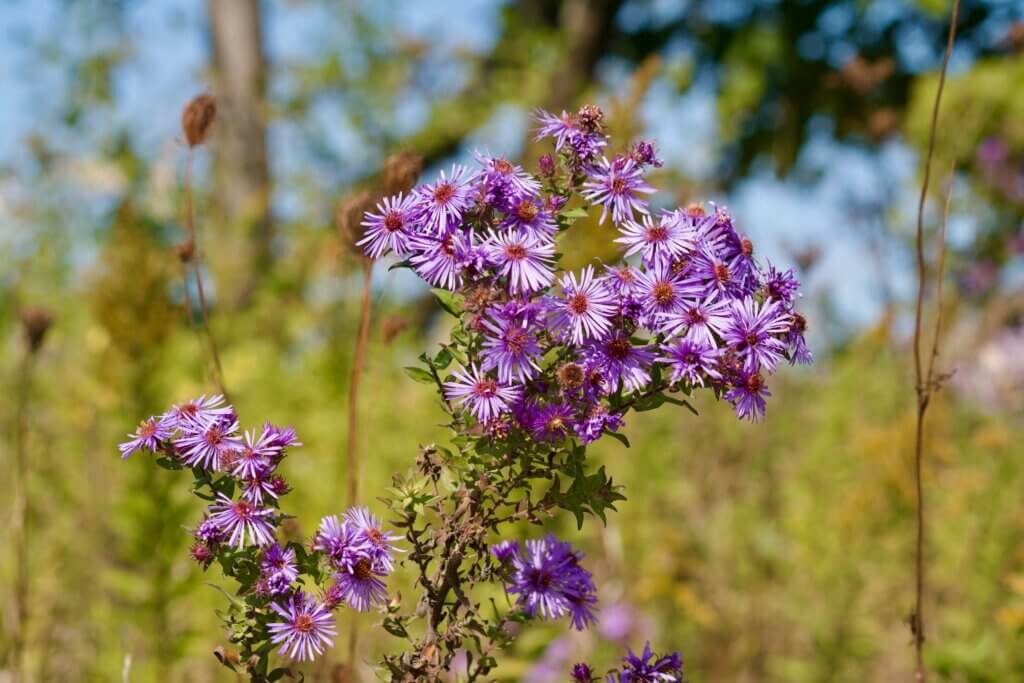
Who really is taking over? Is it the spreading native plants that are supposed to be here, or is it perhaps pavement, lawns, buildings, farms, and non-native plants that have taken over what was once a fully functioning ecosystem? Don’t fear the creeper. Decolonize your garden, decolonize your mind. Encourage spreading native plants to take over then sit back, and give yourself a break from trying to control the plants that are doing you favors by growing so strong!
Russ Henry is the president of Minnehaha Falls Landscape & Giving Tree Gardens, and the founder of Bee Safe Minneapolis. Enchanting landscape designs, clean water, compost, urban farming, healthy food access, pollinators, soil health, rain gardens, native plantings, are all part of Russ’ work both through his companies and through his ongoing advocacy. Learn more about Russ’ work at: https://www.minnehahafallslandscape.com/
Featured image: Native Prairie Sage starting on its spreading journey across a hilltop in the middle of a long-term restoration effort. Photo by Russ Henry.
You may be interested in:
Ask a Master Gardener: Invasive Plant Update
Let’s make a change in 2026. Question: Which invasive pests and plants should we be on the lookout for this growing season? Answer: As far…
Plant Profile: Swamp White Oak
Last year, when the City of St. Paul removed 33 ash trees from the two blocks around my house, they planted a variety of trees…
Anise Hyssop: A Friend to Bees
If you’re keen to help bees and butterflies—and as a gardener, of course you are—there’s a plant you’ll most definitely want to add to your…