



Sprinkle and Bloom: A Simple Guide to a Beautiful Seed Garden
Creating a vibrant garden can be as simple as scattering some seeds. Sowing your own seeds offers a sense of accomplishment and allows you to experiment with different varieties. Start by preparing your soil: ensure it is well-loosened, free of weeds, and lightly raked to create a fine seedbed. Define the areas where each type of flower will be sprinkled using your garden layout as a guide.
Seed Garden Application
Gently scatter the seeds over the designated areas. Aim for even distribution, but don’t worry about perfect spacing—a slightly denser sprinkle can be thinned out later. After sowing, lightly cover the area with soil and water it to help the seeds settle into the soil. Keep the soil moist until the seeds germinate.
Thin seedlings as they emerge to avoid overcrowding and encourage healthy growth. Follow spacing guidelines to give each plant room to thrive.

Benefits of the Sprinkling Method
The sprinkling method offers a relaxed, natural appearance, blending colors and textures. It’s efficient for covering large areas, giving a fuller, vibrant garden, perfect for a cottage-style mix of flowers. It also allows for easy reseeding in the following seasons, helping your garden flourish year after year with minimal effort.
Sprinkling Method for Different Plants
Each type of plant responds best to different levels of sprinkling. Here’s how to approach some popular garden varieties:
Heavily Sprinkled
- Alyssum: Lightly cover with 1/8 inch of soil for a delicate, low-growing layer.
- Calendula: Cover with 1/4 inch of soil for a vibrant, colorful display.
Medium Sprinkled
- Cosmos: Cover with 1/4 inch of soil for a balanced, airy effect.
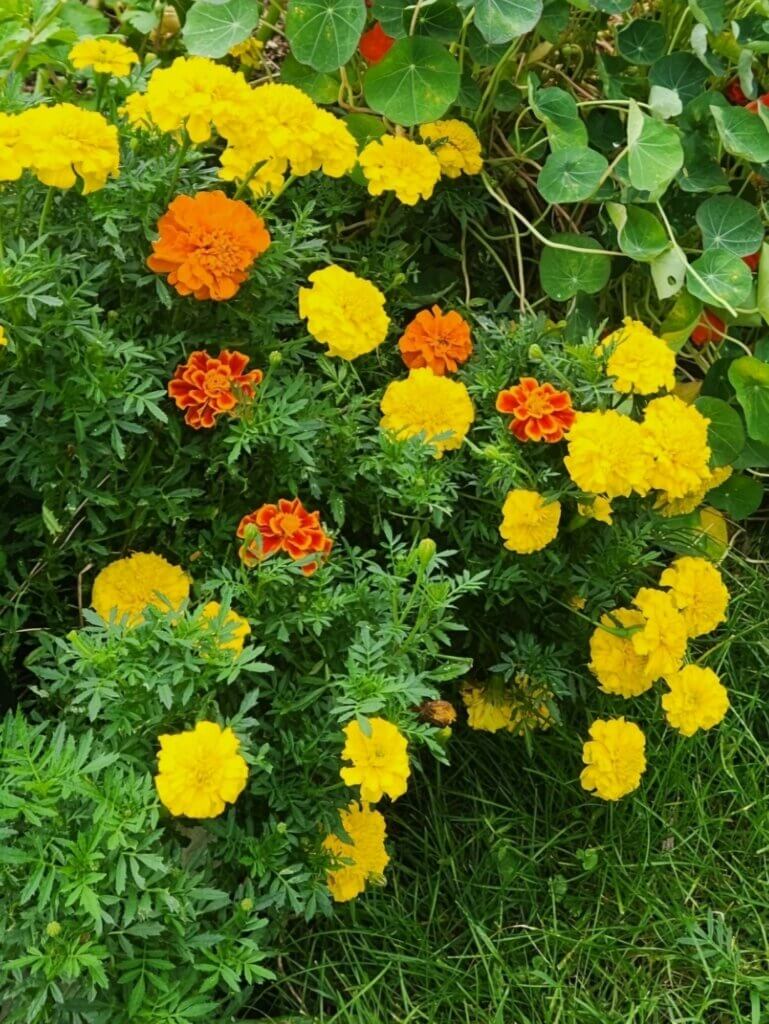
- Marigolds: For a bright, lively front edge, cover with about 1/4 inch of soil.
- Bachelor’s Buttons: Cover with 1/4 inch of soil to fill gaps and add varied textures.
Lightly Sprinkled
- Zinnias: Lightly cover with 1/4 inch of soil for spacious, larger blooms.
- Sunflowers: Cover with 1/4 inch of soil for a strong, central focal point.
Seed Collecting Throughout the Summer
Seed collecting is a rewarding practice that allows you to enjoy your garden year after year. Some annual flowers, like Alyssum, Calendula, Cosmos, and Bachelor’s Buttons, self-sow, dropping seeds that sprout into new plants the next spring. These self-seeders are a true bargain: plant them once, and they return with little effort. Stop deadheading in late summer for self-seeding annuals to let seeds mature and fall naturally. Alternatively, collect mature seedheads in paper bags for sowing next year, allowing you to decide exactly where your flowers will flourish.
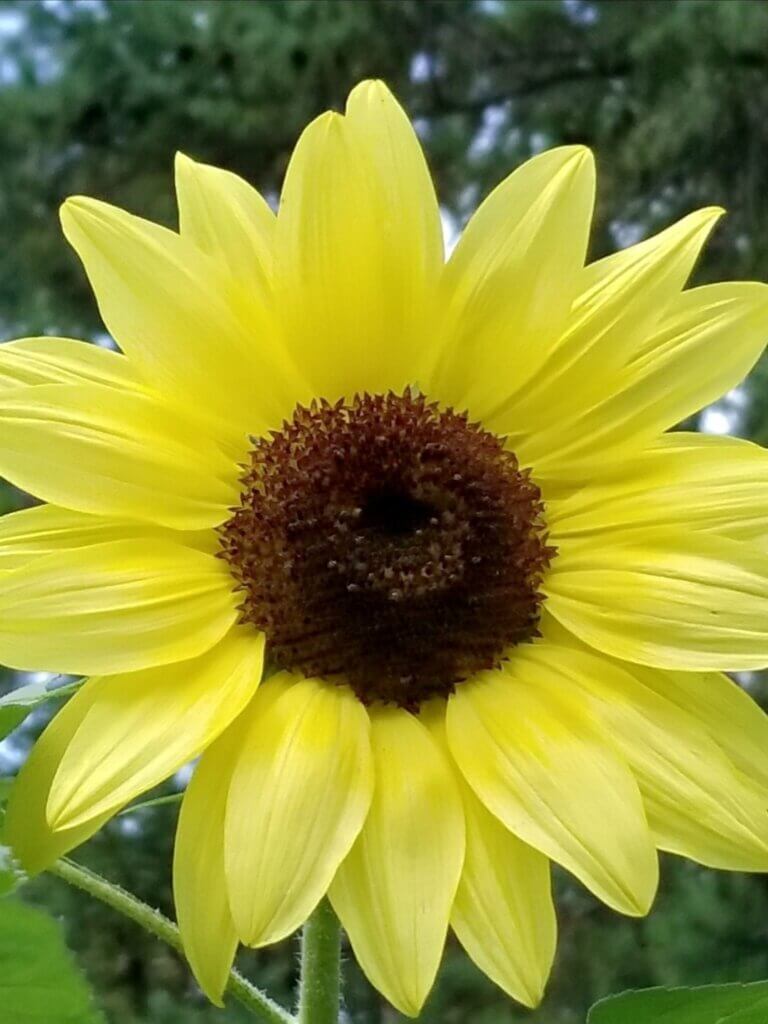
Other annuals, like Marigolds, Zinnias, and Sunflowers, require seed collection for the next growing season. Sowing saved seeds is a cost-effective way to grow flowers, as seeds are cheaper than bedding plants. Collect mature seedheads in paper bags during the growing season once they’ve fully dried on the plant, and store them in a cool, dry place until you’re ready to sow your seed garden next spring.
Wrapping Up Your Garden Season
With a little planning, the sprinkling method and seed collecting can transform your seed garden into a colorful, thriving space that brings joy year after year. Whether you allow flowers to self-sow or gather seeds for specific spots, the rewards of this approach will bloom beautifully in every season.
For additional information on seed-starting & collection, explore these valuable resources:
Seed Saving and Collection Guide from Seed Savers Exchange: https://blog.seedsavers.org/blog/seed-saving-collection
Helpful Seed-Sowing Tips from Burpee: https://www.burpee.com/blog/when-and-how-to-direct-sow-seeds.html
Amy Kainz is an organic flower and vegetable gardener specializing in pollinator-friendly landscaping in central Minnesota.
You may be interested in:
Seed Garden Design
Want a stunning display of vibrant flowers next year? This spring, try sowing a variety of annual flower seeds directly in the ground shortly after winter’s last frost. By midsummer, these easy-to-grow annuals will transform your garden into a lively and colorful showcase of blooms that will last until early autumn. Follow this simple plan for a flourishing summer garden that requires minimal effort for maximum wow.
Seed Catalogs 101
The snow squeaks under your boots as you trudge through the drifts to the mailbox. It’s only December, but you’re already growing weary of the…
July Garden Checklist for Northern Gardeners
Updated July 2025 With heat, humidity and occasional rains, many gardens will be exploding by early July. Fortunately, we gardeners can enjoy them with a…