
Invasive Jumping Worms
Invasive Jumping Worms: Impacts and Prevention

Not a member yet? Join our community of northern gardeners for access to exclusive content, classes and discounts. Join now!
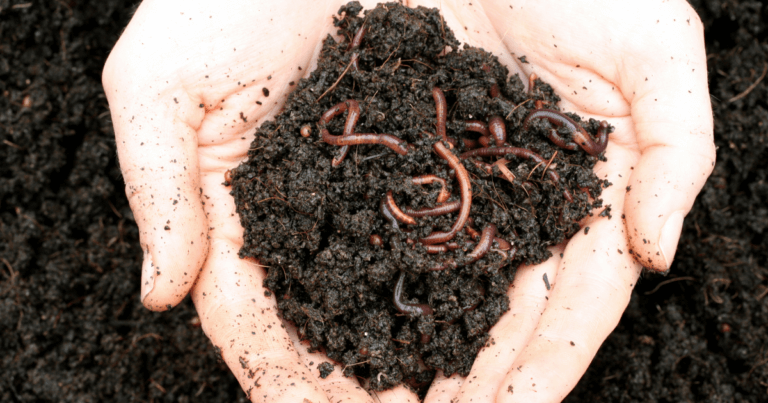
Invasive Jumping Worms: Impacts and Prevention
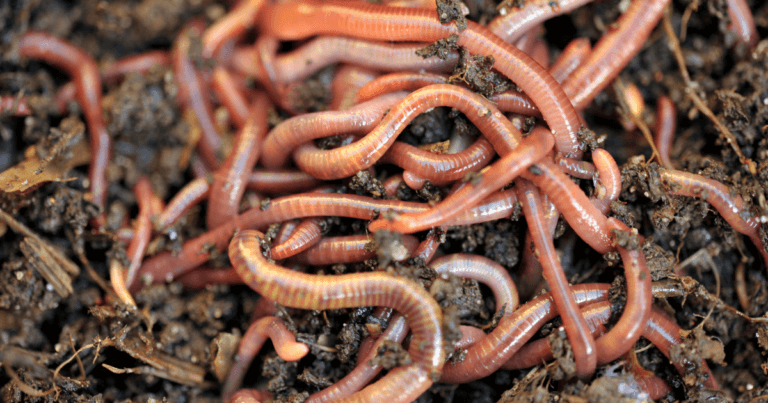
The webinar discusses jumping worms and strategies for preventing their spread at compost and mulch sites. Learn how to identify jumping worms, and best practices for ensuring your facility does not spread them.
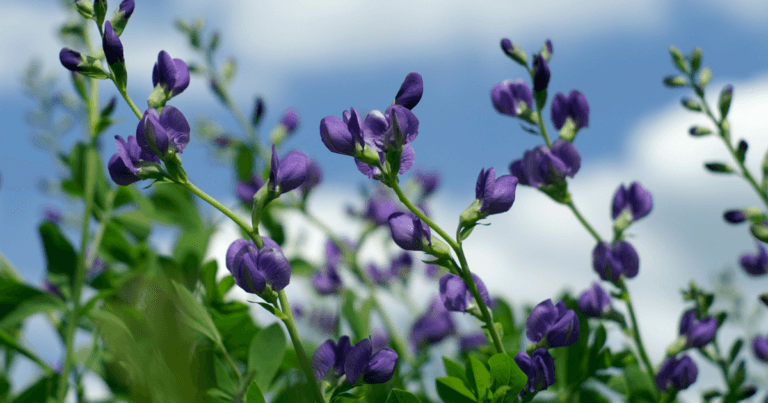
Take a look at this short clip on saving seeds from Blue wild indigo!
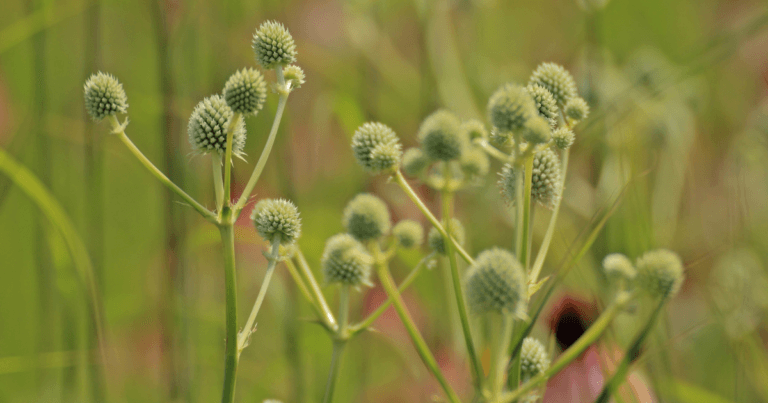
Take a look at this short clip on saving seeds from Rattlesnake master!
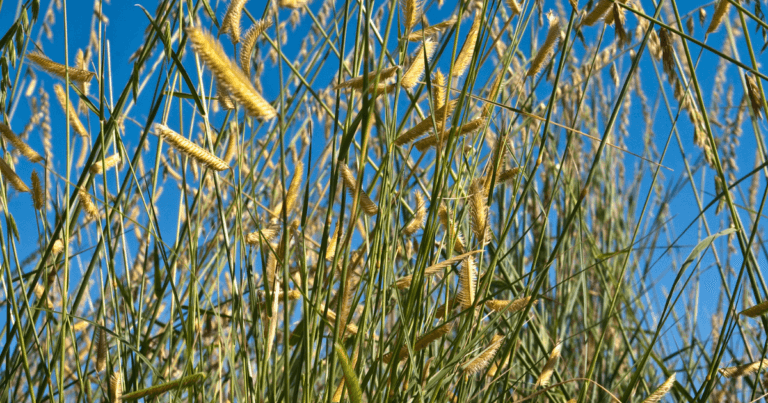
Take a look at this short clip on saving seeds from Sideoats grama!
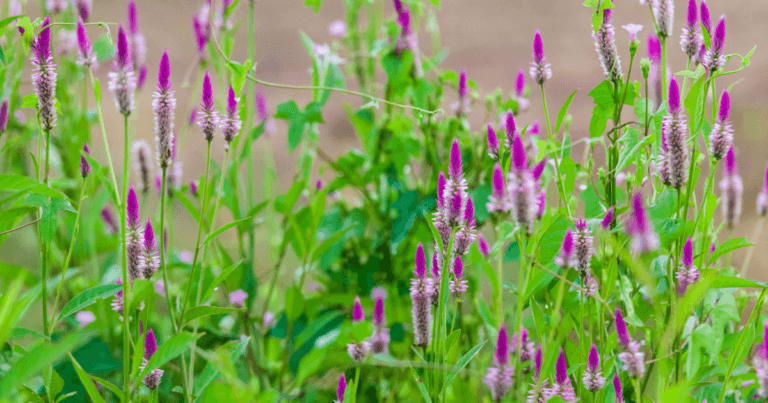
Take a look at this short clip on saving seeds from Obedient plant!
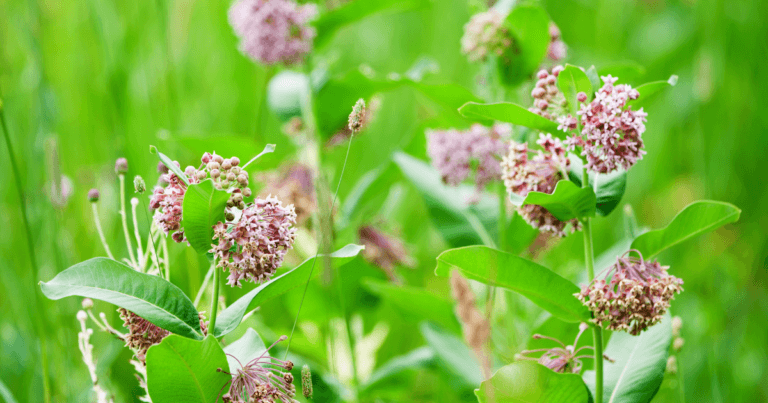
Take a look at this short clip on saving seeds from Common milkweed!
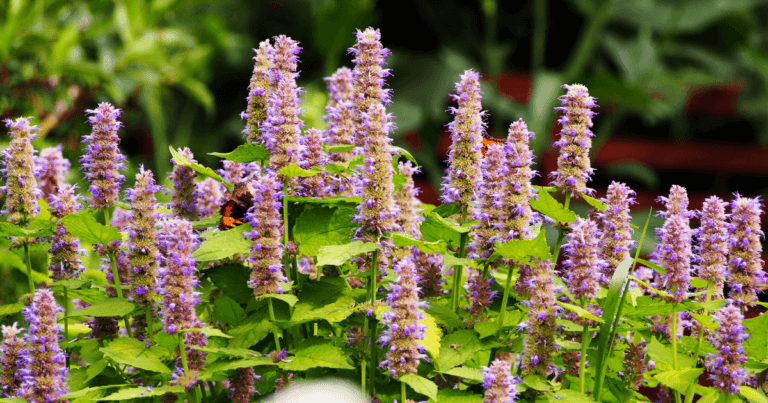
Take a look at this short clip on saving seeds from Anise hyssop!
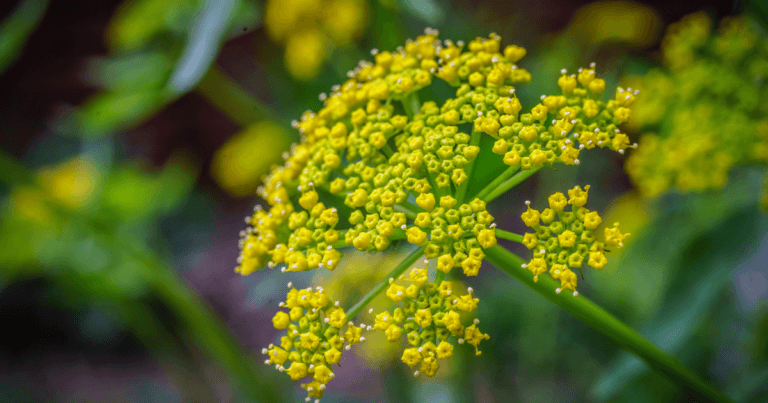
Take a look at this short clip on saving seeds from Golden Alexander!
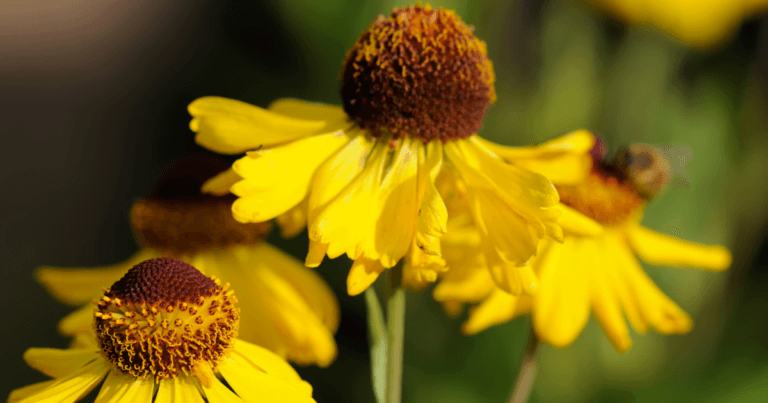
Take a look at this short clip on saving seeds from Sneezeweed!
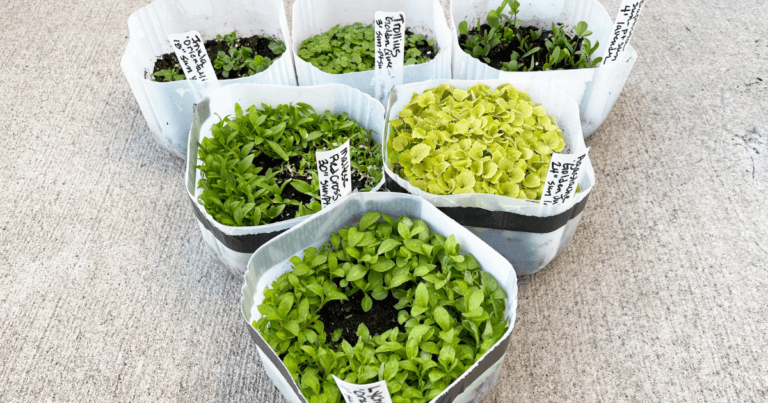
Wondering how to transplant the seedlings you’ve winter sown? In this short video, MSHS instructor Michelle Mero Riedel offers helpful tips so you can successfully get your plants into the ground this spring!
Here you’ll find region-specific collections of publications, native plant and seed suppliers, and other resources to aid in planning, establishing, restoring, and maintaining pollinator habitat.

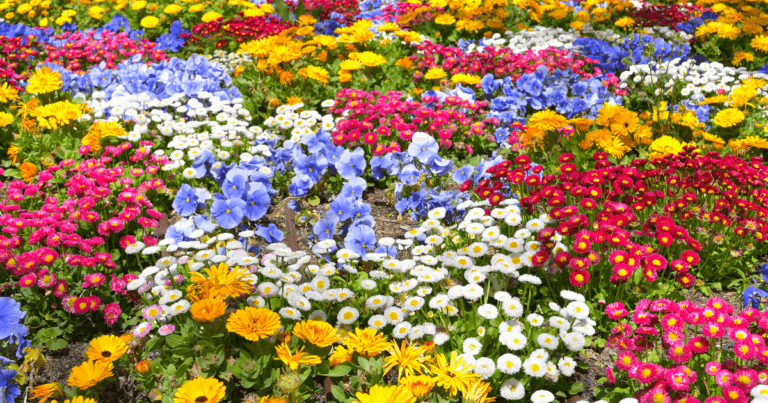
Annual flowers have been a long-time favorite plant for gardens of all kinds. They provide instant color and interest and are relatively easy to grow.
A bee lawn can not only provide a recreational space for you, your family and your pets, it can also provide much-needed food resources for bees and other beneficial pollinators.
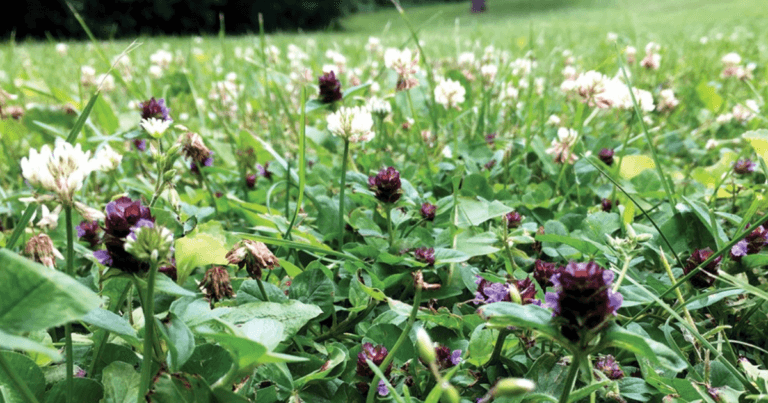
Benefits of a flowering lawn include: increased lawn resilience to environmental pressures, natural diversity that benefits bees and other pollinators and insects, and the beauty of the flowers themselves.
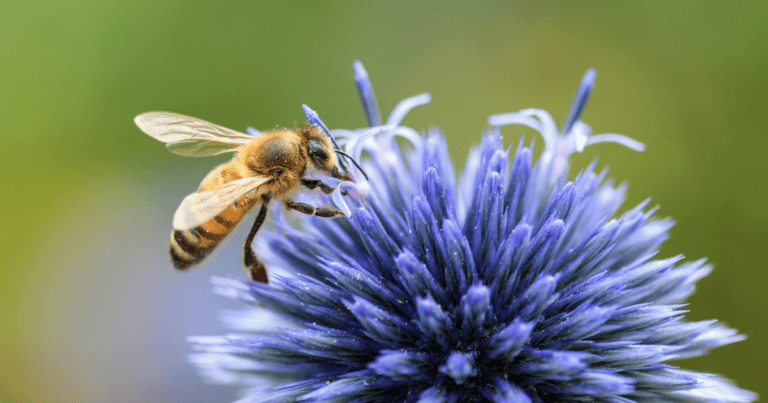
A pollinator tea garden attracts diverse pollinators by providing nectar, pollen, and nesting habitat.
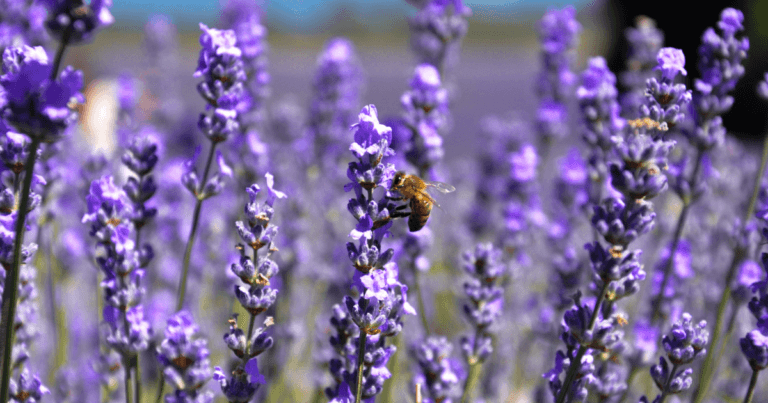
We’ve teamed up with Glacial Ridge Growers in Glenwood, MN to bring you six-packs of carefully selected perennial plants known to attract and support specific pollinators.
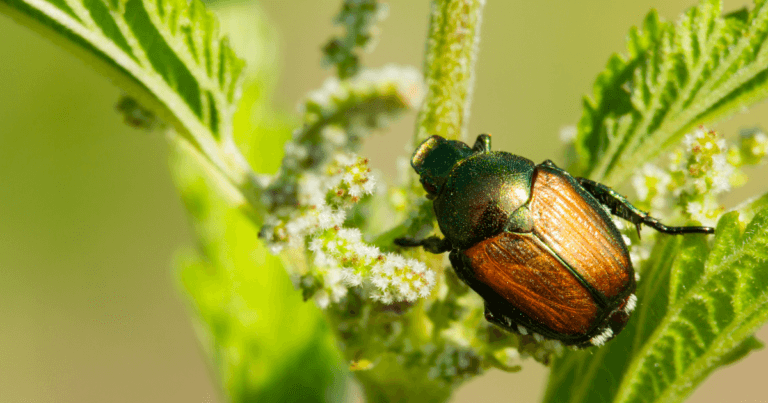
Learn more about this landscape pest with information provided by Minnesota state.
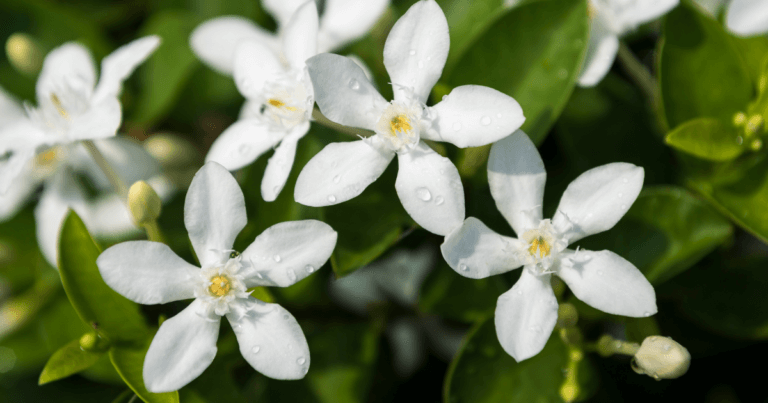
Here you’ll find photos and information about wild plants that grow in Minnesota, both native and non-native.
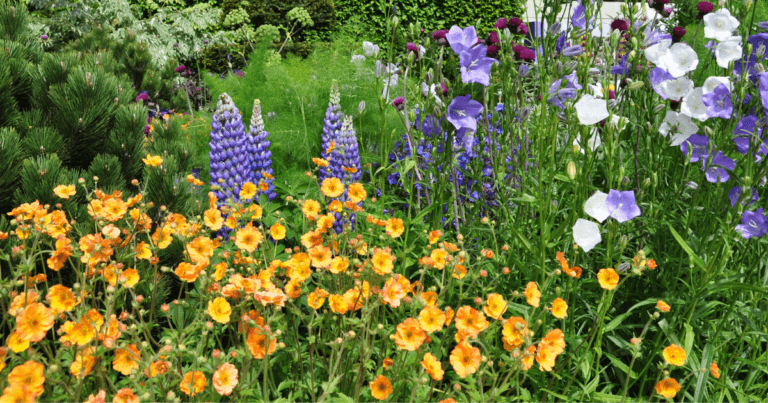
oft landings are diverse native plantings under keystone trees (or any other regionally appropriate native tree). These plantings provide critical shelter and habitat for one or more life cycle stages of moths, butterflies, and beneficial insects.
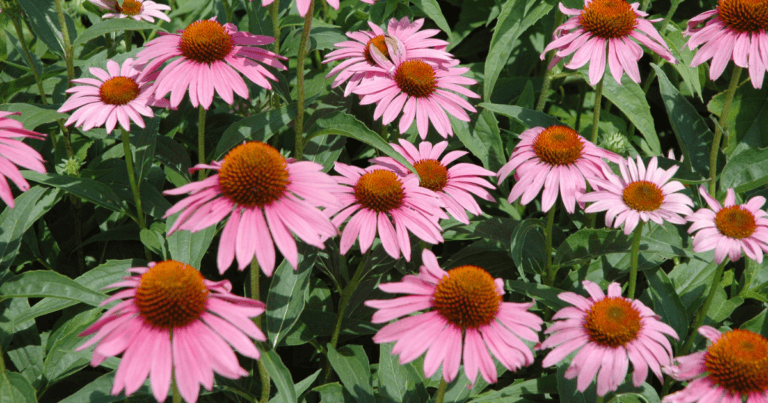
Deep Roots is a collective impact organization of multi-sector Partners. Together with our Partners, we work to increase native plant landscapes. Our mission is to encourage the appreciation, conservation, and use of native plants in the heartland through educating, collaborating, and facilitating the planting of regenerative native landscapes that are essential for a healthy planet.
Gardens are more than collections of plants. Gardens and Gardeners are intersectional spaces and agents for positive change in our world. Cultivating Place: Conversations on Natural History and the Human Impulse to Garden, a weekly public radio program & podcast is a voice for, with, and about gardeners and nature lovers of all manner around the globe, exploring how and why we garden – what we mean when we garden.
Not a member yet? Join our community of northern gardeners for access to exclusive content, classes and discounts. Join now!