
Hellstrip Gardening Webinar
In this class, we will teach you how we can redesign boulevards to add beauty to our communities, protect our pollinators, and of course, reduce stormwater runoff to protect local water quality.

Not a member yet? Join our community of northern gardeners for access to exclusive content, classes and discounts. Join now!
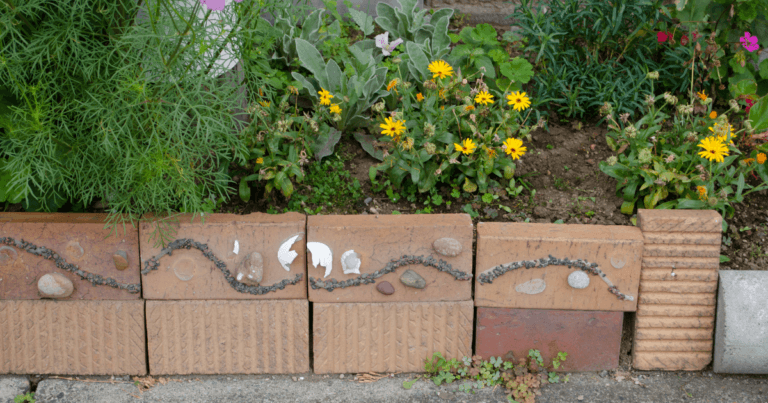
In this class, we will teach you how we can redesign boulevards to add beauty to our communities, protect our pollinators, and of course, reduce stormwater runoff to protect local water quality.
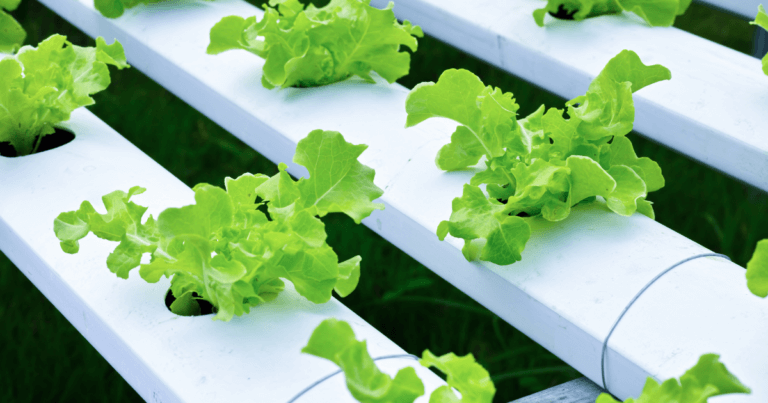
Hydroponic expert and author of “Hydroponic Gardening the Very Easy Way”, Larry Cipolla explains the easiest and most affordable way to grow salad greens, tomatoes, peppers, cucumbers, herbs and more without soil.
Ecological Restoration Specialist Cheryl Culbreth shares her favorite native plants for shady spots.
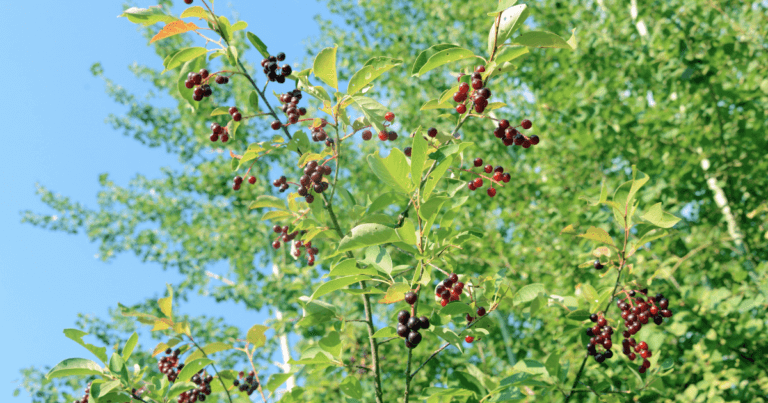
This MSHS Webinar is presented by Russ Henry, owner of Minnehaha Falls Landscaping and founder of Bee Safe Minneapolis.
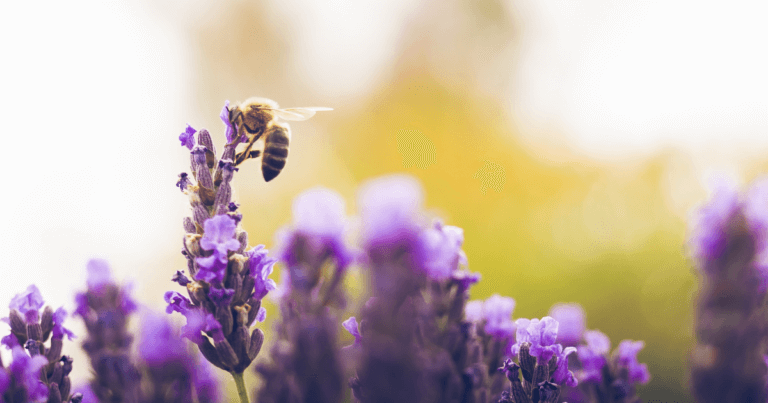
Learn how to grow a healthy, thick lawn, luscious gardens, and thriving trees and shrubs. We’ll discuss best practices for dealing with all the common problems facing Minnesota homeowners, including lawn issues like weeds, grubs, diseases, invasive species including Emerald Ash Borer and buckthorn, and other pests.
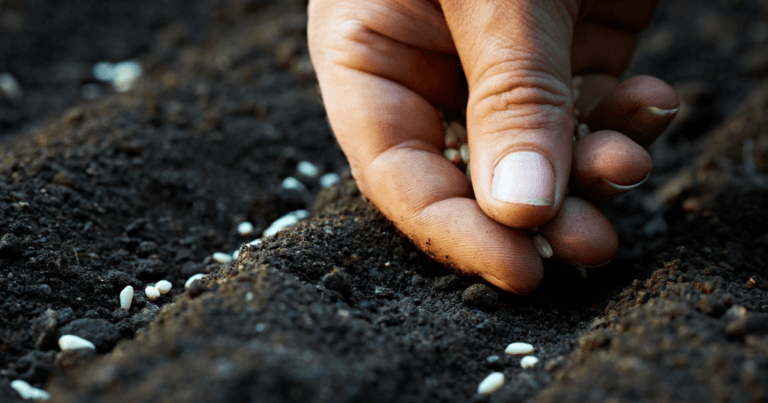
David Woods, conservation program director for Urban Roots, shares how you can propagate seeds for planting. Learn cold stratification techniques (how to do it and which seeds need it) as well as indoor and outdoor seed-starting methods.
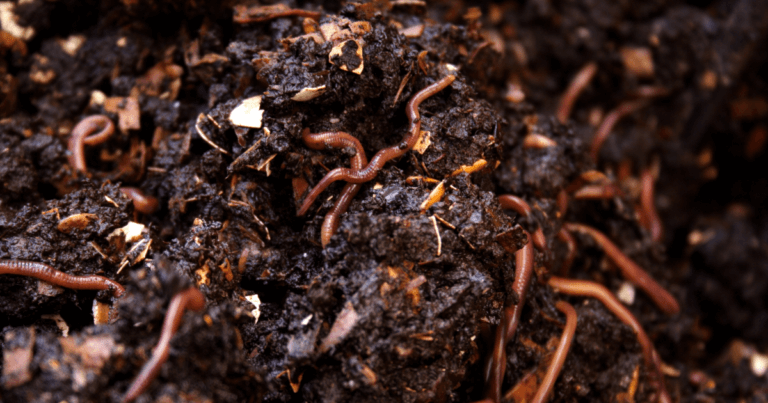
Ready to create high-quality compost at home? Here’s how!

Karin Jokela, pollinator conservation pro, shares tools and resources for identifying and learning about native plants.
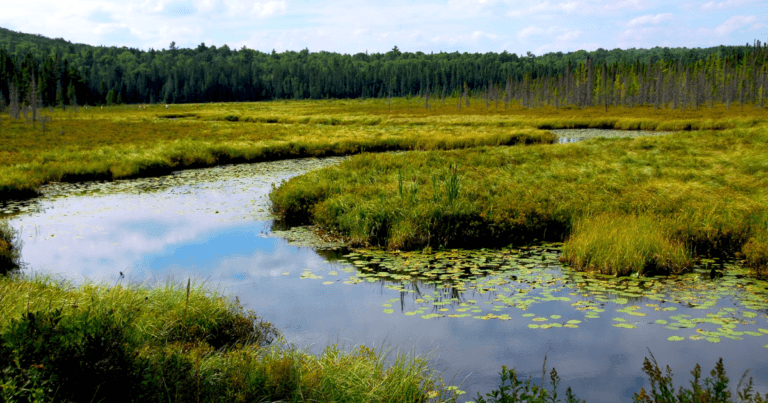
Ecological restoration specialist Cheryl Culbreth shares her top native plant picks for wet locations.
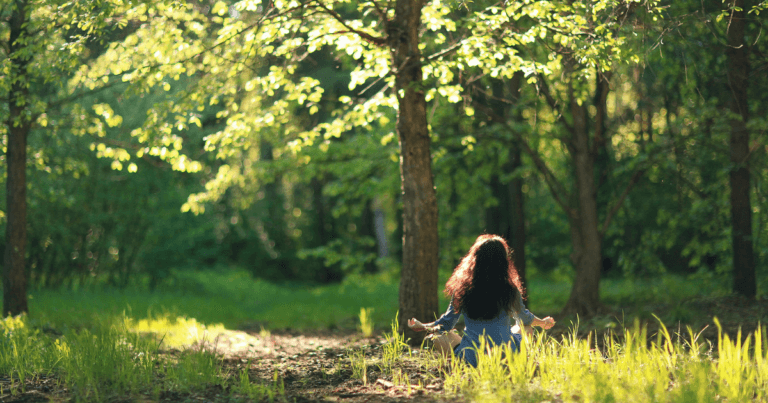
Join Ramsey County Master Gardeners and learn how to wake up your garden! This webinar provides information about what to do for your garden and landscape between March and August.
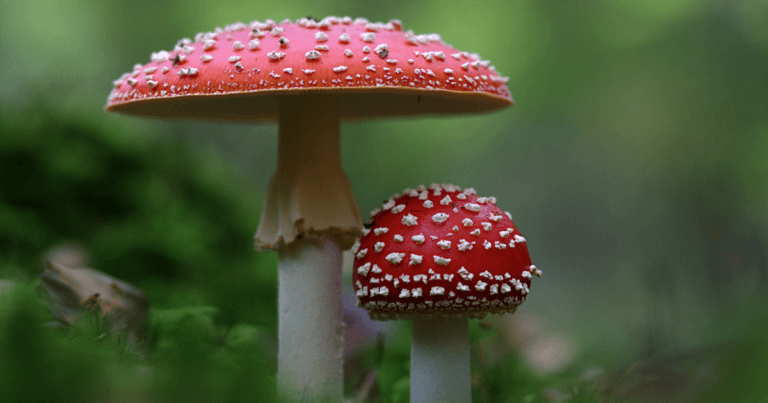
This basic introduction to mushroom cultivation will cover several species of gourmet mushrooms. The techniques on how to inoculate (plant) using different spawn (equivalent to the root cuttings or vegetative propagation) that will be covered in the class, will allow home gardeners to grow mushrooms perennially.
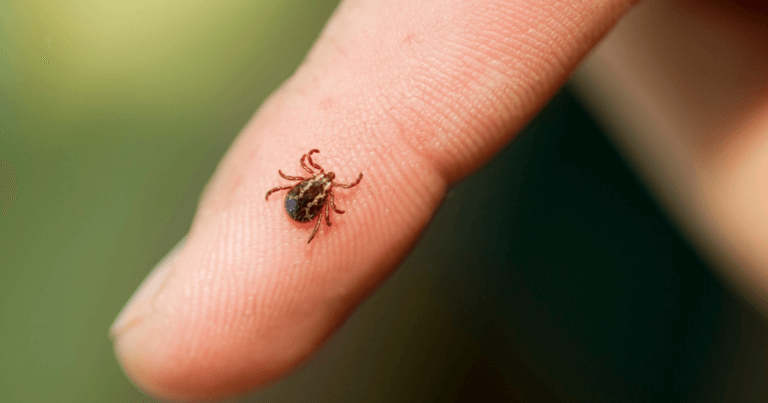
Presenter Dr. Maloney discusses the various aspects of Lyme Disease and other tick-borne illnesses, and provides information on where you might encounter ticks, how to reduce the risk of getting bitten, the potential symptoms and signs of infection, and the diagnosis and treatment. In the webinar, Dr. Maloney also takes a brief look at other tick-borne illnesses and how to avoid them.
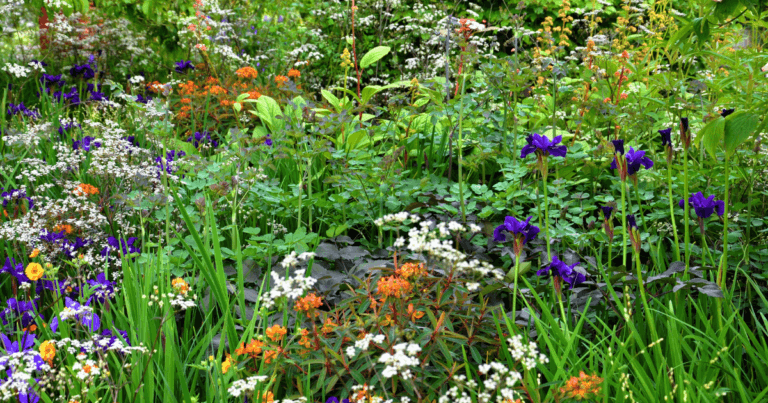
It’s always a good idea to add native plants to your garden. They are adapted to local conditions so they require less resources to thrive, and many natives attract and support local pollinators and other wildlife.
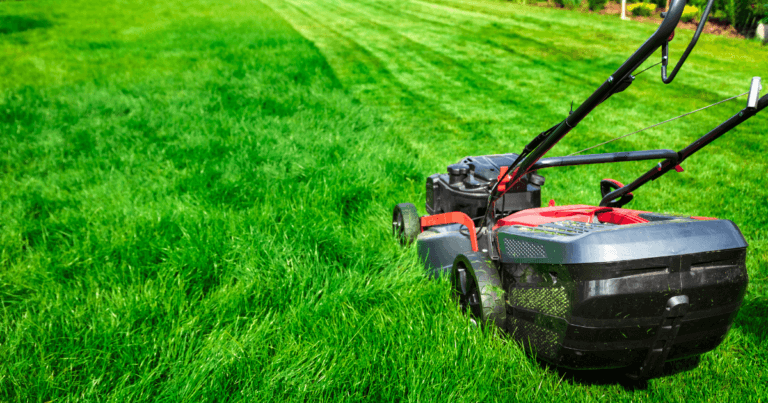
Although lawns have their
place in the landscape, more
gardeners are choosing to
forgo them in favor of more
environmentally-friendly
and less high-maintenance
options.
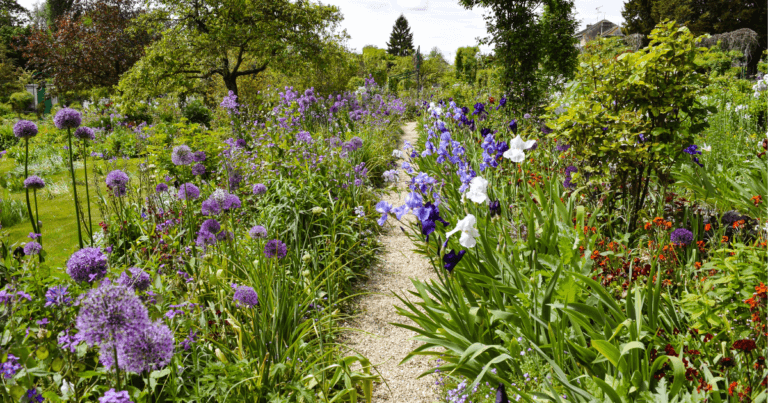
When it comes to environmental responsibility, many gardeners are aware of the need to make
wise plant selections and practice gardening techniques that conserve water and don’t harm the
ecosystem. But to be truly earth-friendly, it makes sense to think the same way about the other
parts of a garden, such as pathways, fences, and outdoor furniture
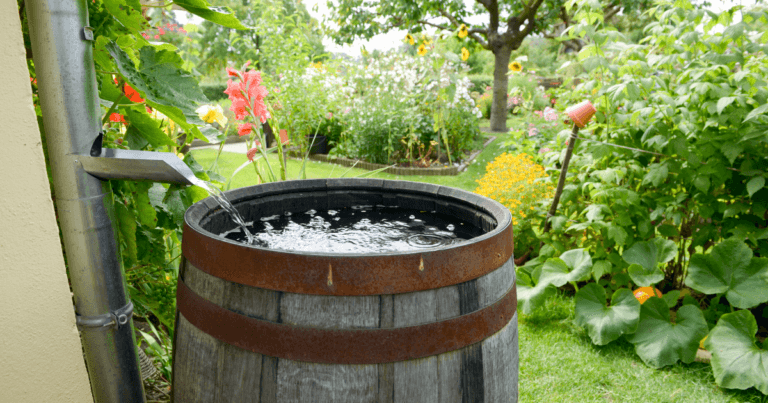
By employing a variety of techniques to keep rainwater on their properties, gardeners can play an
important role in protecting the health of local watersheds.
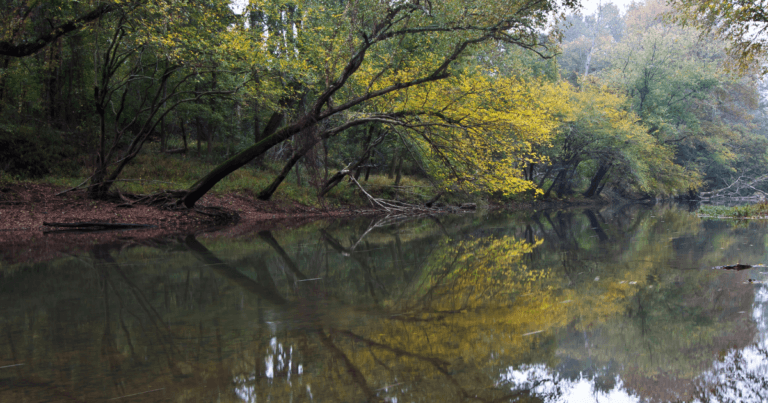
Rather than struggling to “fix”
seasonally wet garden sites,
try these plant and design tips
instead.
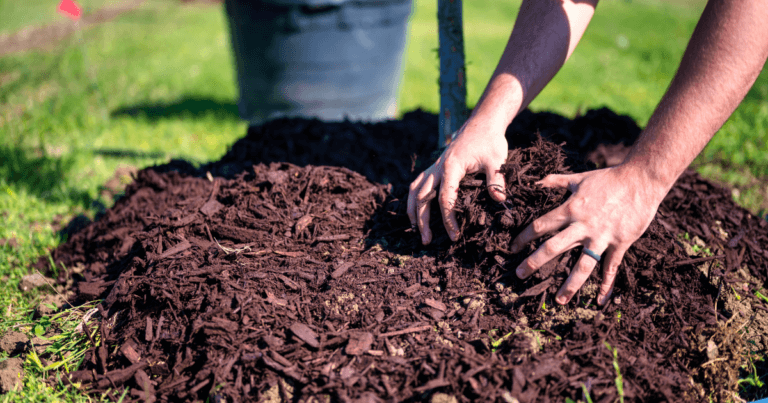
There are proven benefits to using mulch in the garden, but it’s important to choose the
appropriate type and apply it properly.

Learn how to preserve, prepare and cook fresh food safely.
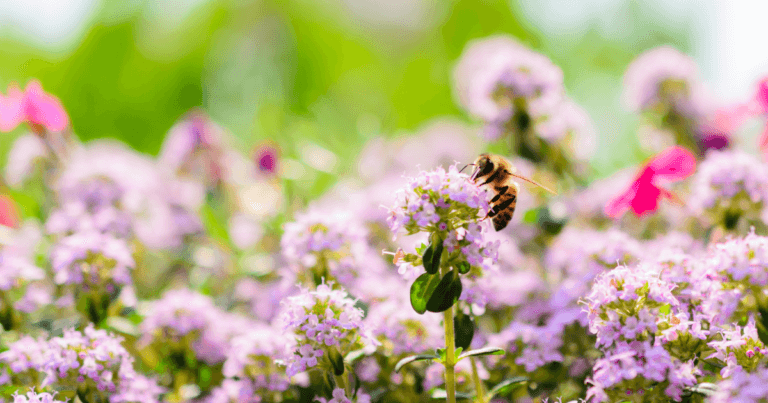
Developed for community scientists (sometimes referred to as “citizen scientists”) to document how native bee communities change through time in pollinator habitats. It includes an introduction to bee identification, an overview of biology, tools for identifying different groups of bees, and observation datasheets.
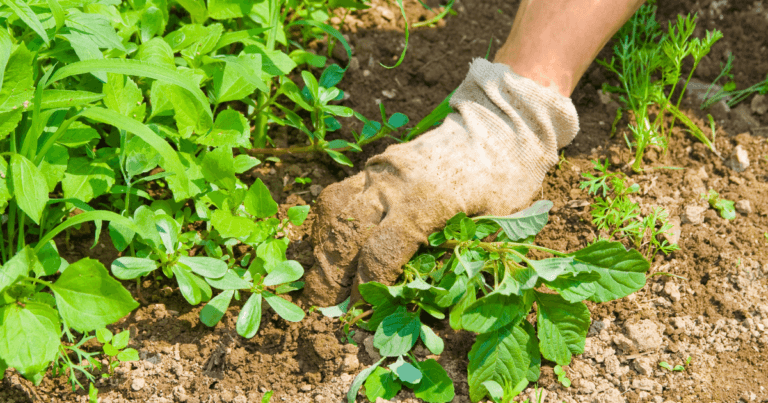
A weed is defined as any plant that is considered undesirable, unattractive or troublesome, especially when growing where it is not wanted. This diagnostic tool will help you identify and manage common and invasive weeds in Minnesota lawns and landscapes.
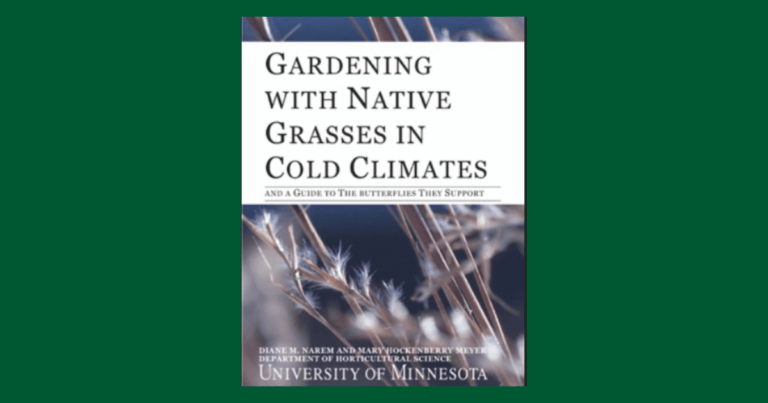
Gardening with Native Grasses in Cold Climates, is written for inexperienced as well as seasoned gardeners, landscape designers, garden center employees, and anyone interested in native grasses that grow well in cold climates. New information on the benefits of native grasses including their importance as host plants for native Lepidoptera is included. Combinations of specific grasses used by larvae and perennials that the adult butterflies feed on is new and timely information.
Not a member yet? Join our community of northern gardeners for access to exclusive content, classes and discounts. Join now!