
Lawns to Legumes
Wondering what all the fuss about bee lawns is about? Learn about the importance of pollinators, bee lawns, and how to install one here. (You can apply for a grant to help too!)

Not a member yet? Join our community of northern gardeners for access to exclusive content, classes and discounts. Join now!
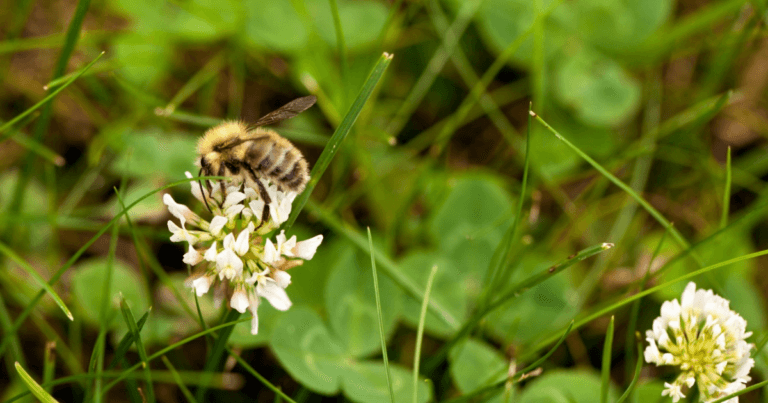
Wondering what all the fuss about bee lawns is about? Learn about the importance of pollinators, bee lawns, and how to install one here. (You can apply for a grant to help too!)
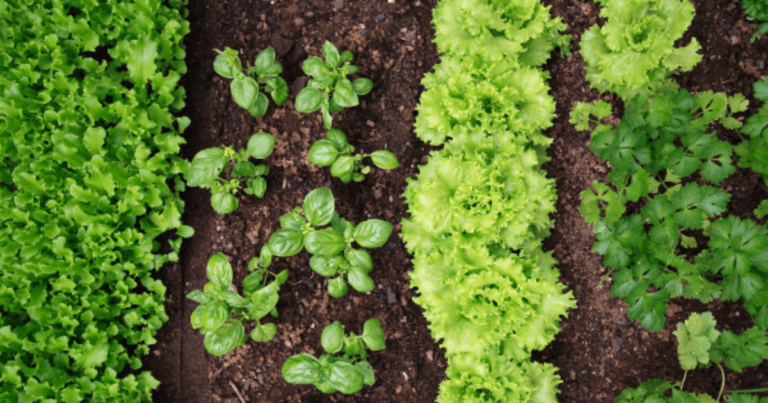
Want to grow your own veggies but don’t know where to start? Start with the University of Minnesota Extension’s comprehensive guide.
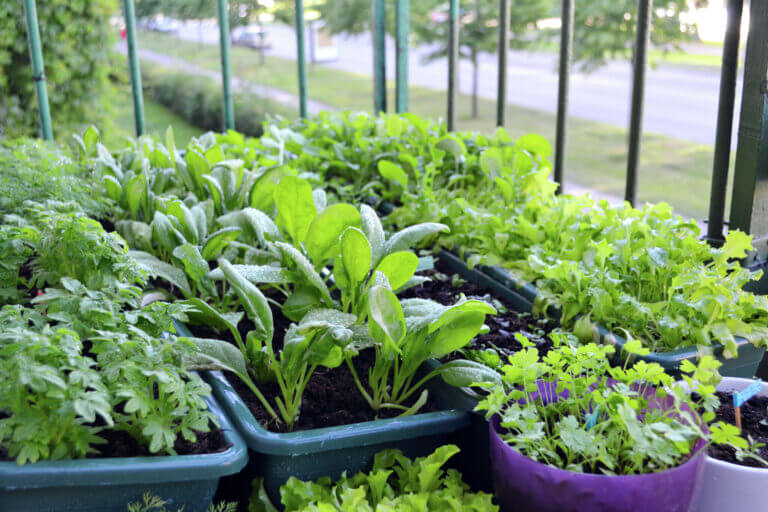
Container garden is a practical and attractive alternative to the traditional vegetable garden for those with a sunny deck or patio. Learn more about it from this article by H.C. Harrison from the University of Wisconsin Extension.
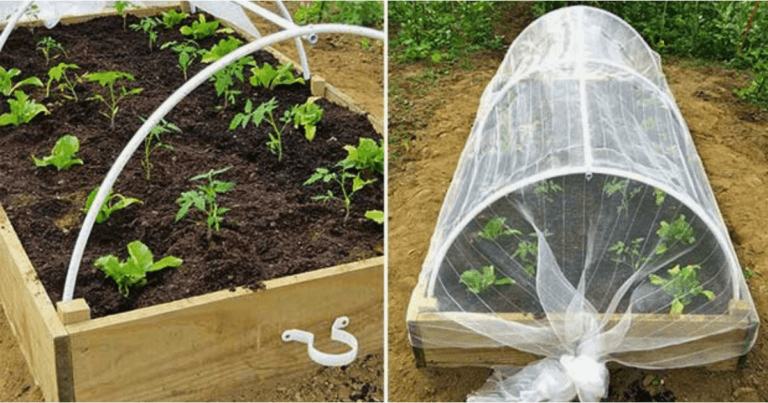
There are a number of ways to get an early start in the garden and stretch the harvest longer into the fall. Learn how from the University of Minnesota Extension.
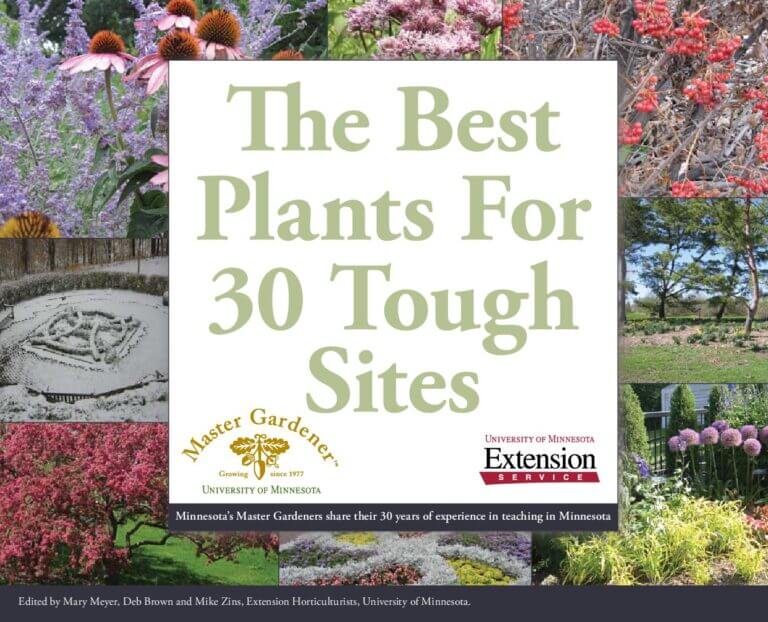
Have a tough location that needs planting? Try this book of recommendations from University of Minnesota Extension own Master Gardeners.
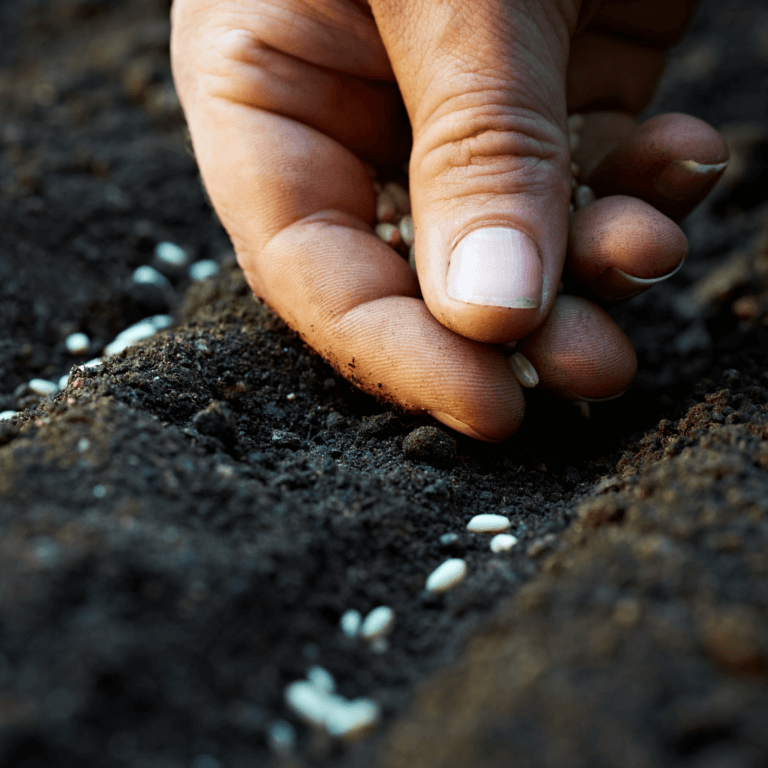
The right time to start your seeds indoors varies significantly by crop and location, ranging anywhere from 2–16 weeks prior to transplanting. Use this calculator to ascertain when to start seeds indoors and then to transplant outside, based on the frost-free date in your area.
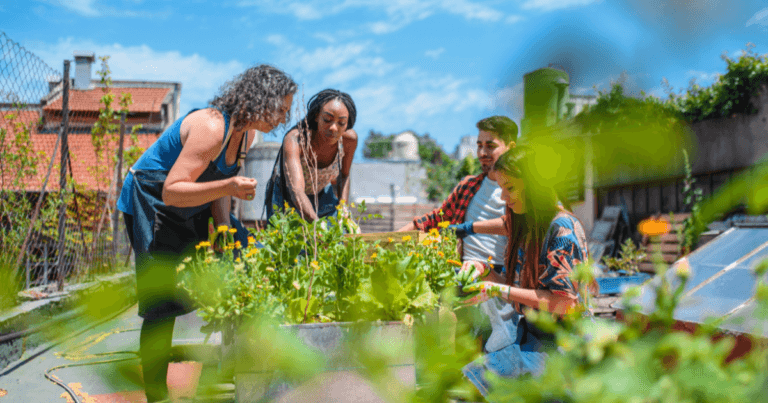
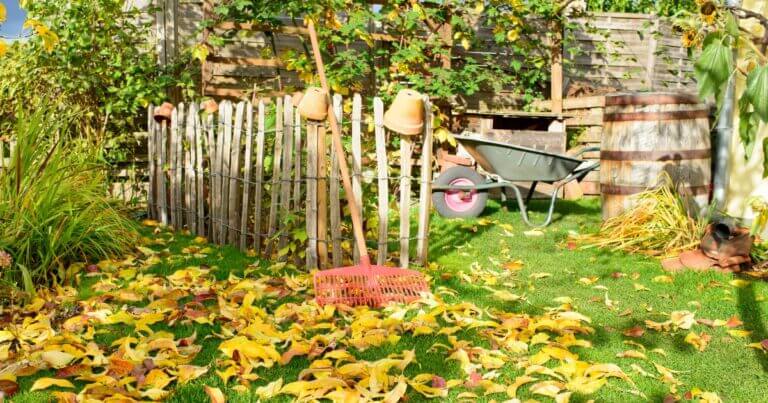
Cleaning up your garden this fall? Keep pollinators in mind.
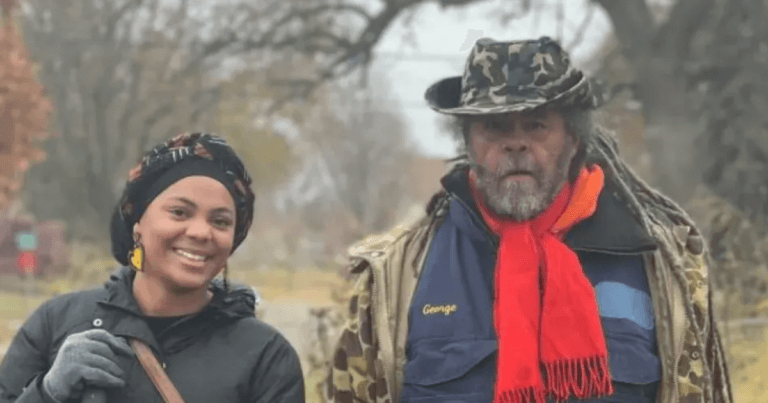
PSP works on several levels, from spearheading the distribution of fresh produce to the communities of the Northside neighborhood to mentoring and empowering students of North Community High School by teaching entrepreneurial and agricultural skills.

Butterfly gardening involves planning your garden to attract, retain and encourage butterfly populations. Flowers of similar colors grouped together are more attractive to both butterflies and the gardener.
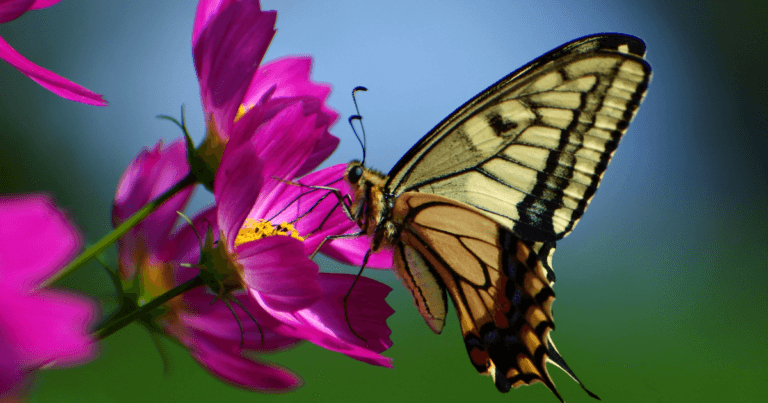
f there is one thing to know about butterflies it is this: they are resilient. This is why I encourage gardeners to garden with butterflies in mind.
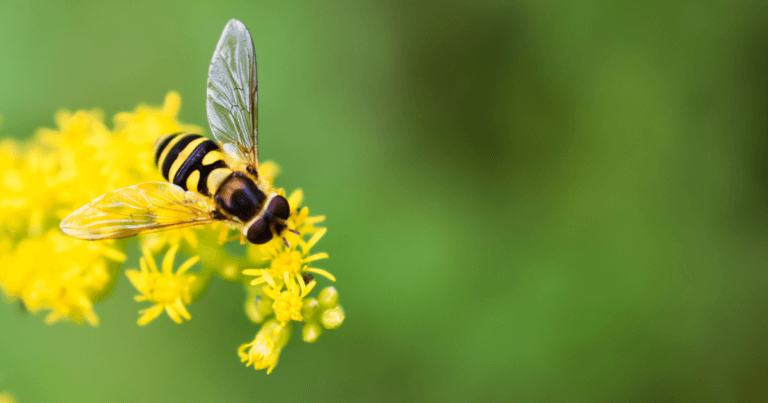
As many as 25% of native bee species in a particular region in the United States are specialists.
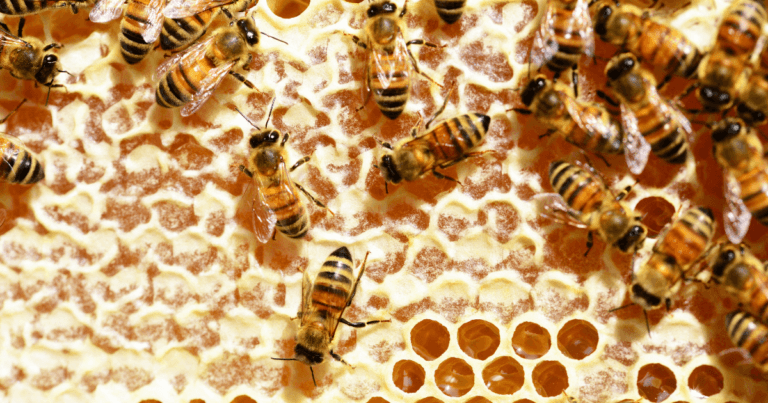
There has been an amazing groundswell of support for bees, motivating people everywhere to act—creating pollinator gardens, planting habitat in parks and on farms, reducing pesticide use or campaigning for citywide bans.
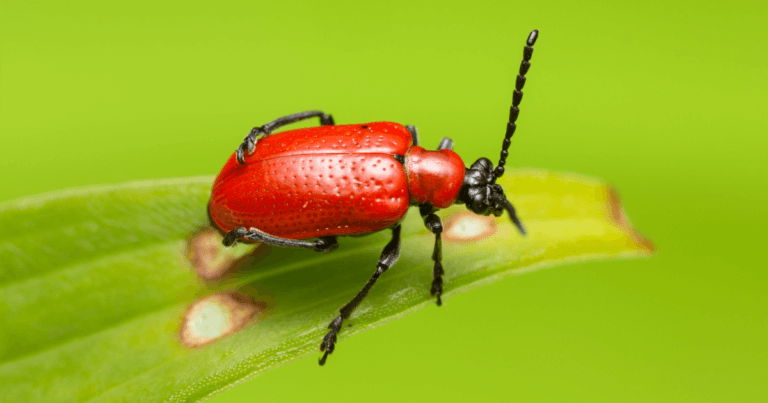
Lily Leaf Beetles can cause significant damage to true lilies (Lilium spp.), including both native and cultivated types, as well as fritllaries (Fritillaria spp.).
Left unchecked, the scarlet lily leaf beetle devours leaves, leaving a bare, scarred stem in place of the usual sturdy stalk laden with flamboyant blooms.
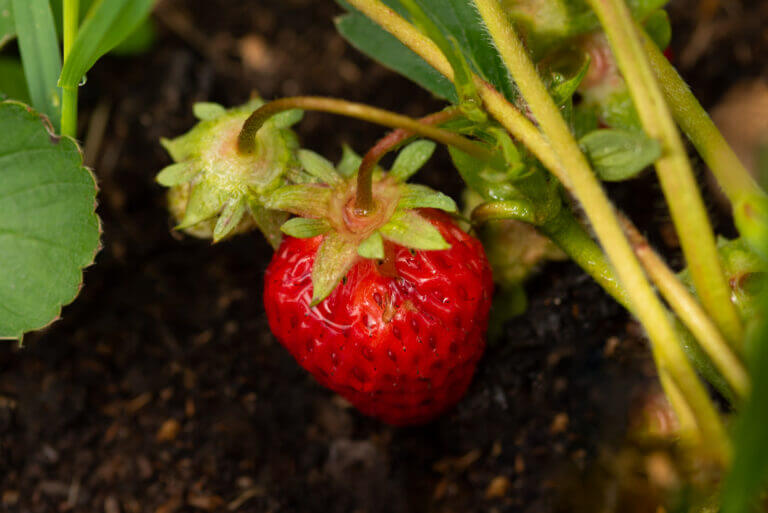
Nothing ushers in summer like fresh picked strawberries and red stained fingers, shirts, faces… so let’s get you growing strawberries too!
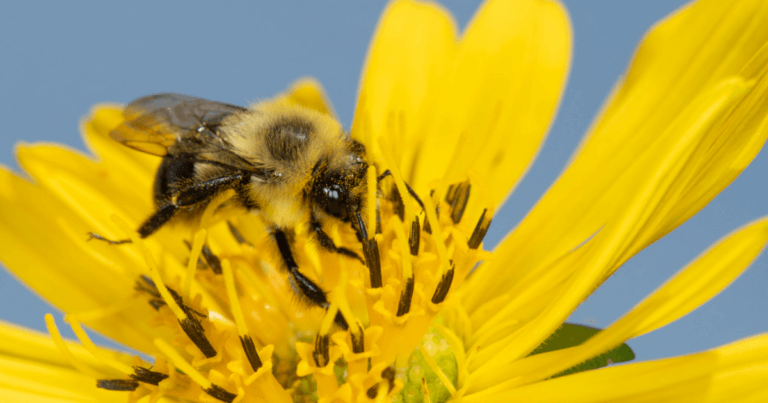
Tune in to learn about native bee and wasp biology and natural history. This channel is managed by Heather Holm, pollinator conservationist and author.
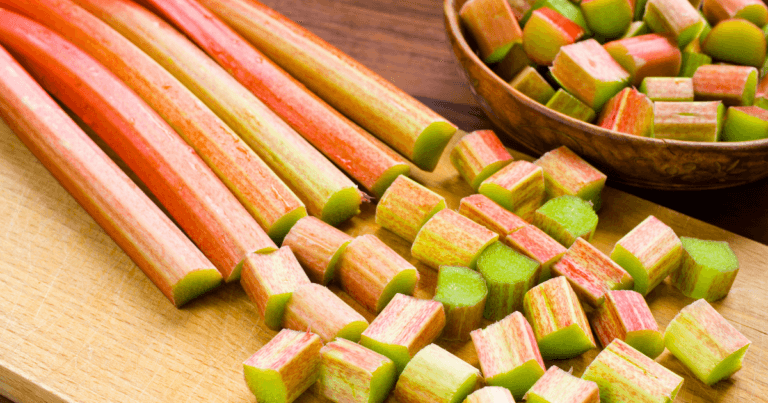
This vibrant rhubarb simple syrup is great for mixing into cocktails and mocktails!
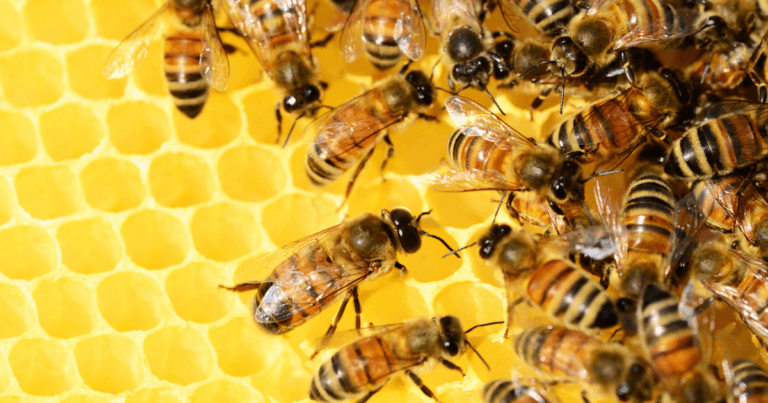
Plants and wildlife, including pollinators, can thrive in the seemingly inhospitable environment of towns and cities. Studies done from around the country have shown that dozens of species of bees can be found in gardens and parks in areas that are dominated by hardscapes.
Learn what you can do in your own yard to help are fuzzy flying friends!
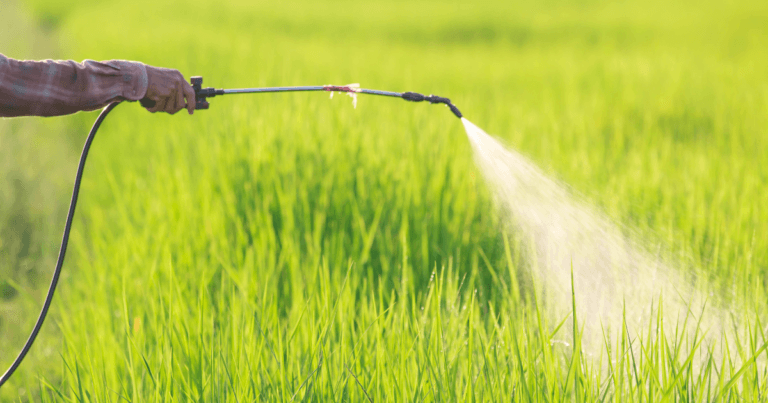
Roundup alternatives without glyphosate are available and can be effective. Organic brand options use naturally occurring oils or acids, and some alternatives can even be made with household ingredients.
Not a member yet? Join our community of northern gardeners for access to exclusive content, classes and discounts. Join now!