


Plant These Annuals for Great Cut Flowers
Whether your goal is petite nosegays or elaborate arrangements, many blooming annuals offer a great supply of cut flowers throughout the growing season. Here are a few of my favorites (all are sun-lovers).
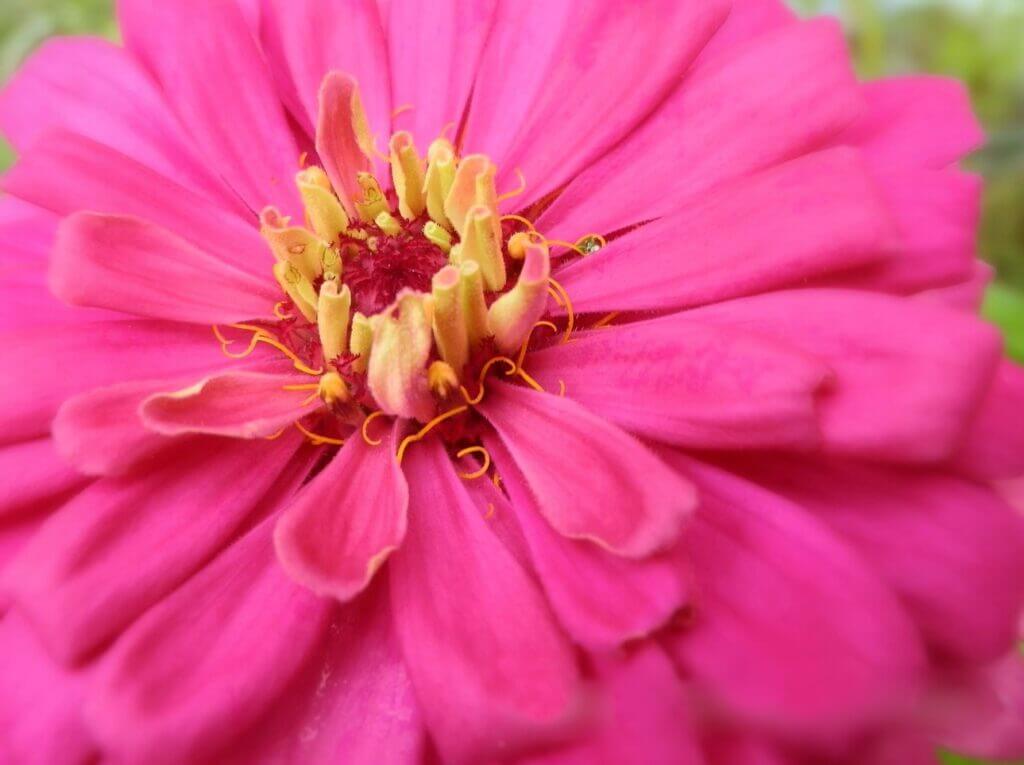
Zinnias
Easy to grow from seed, these round, colorful, showy flowers are available in many heights and varieties—from short, subdued, filler flowers to very tall, bright, statement blooms. My personal favorite cultivar is Zinnia elegans ‘State Fair Mix.’ The plants grow as tall as 3-5 feet, with each strong stem about 12 inches long.
I start my zinnias from seed in my sunroom in late winter, and place them in the garden after the last spring frost. They begin to bloom in early summer. Once established, they need very little maintenance beyond occasional watering when dry. After cuttings, they rejuvenate new blooms all season long, continuing until the first frost.
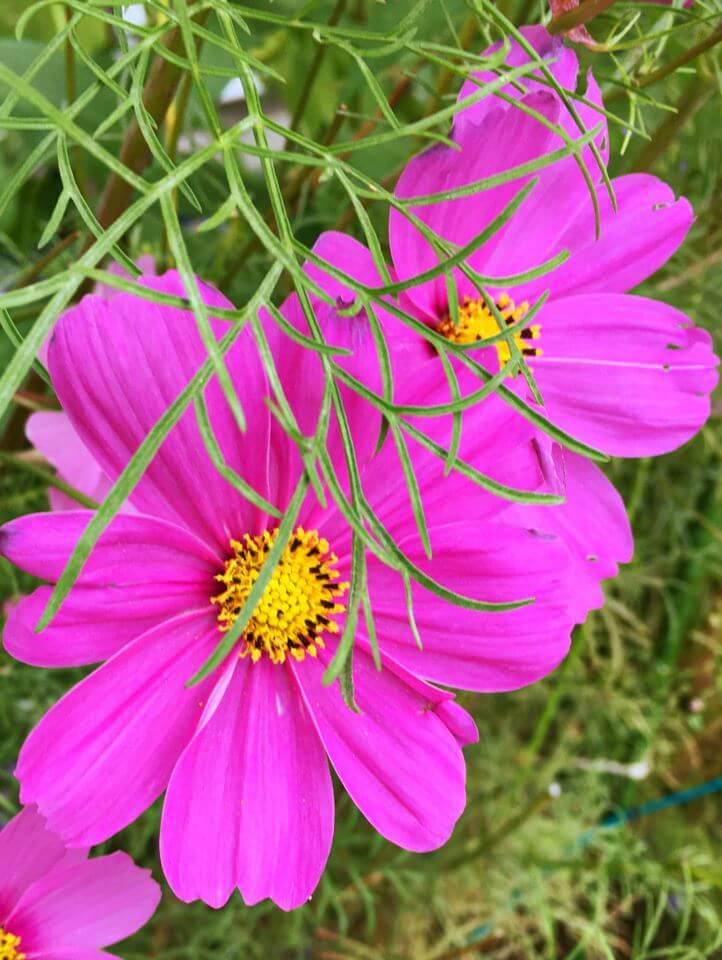
Cosmos
I’ve started these delicate-looking, but tough beauties as seedling plants and from seeds started indoors in late winter. But my best luck has been with direct sowing into the garden in mid-spring: They get their legs anchored and don’t have to be uprooted once they get going. They tend to have a similar long blooming schedule to that of zinnias.
Also available in several varieties, Cosmos have feathery foliage that adds texture to floral arrangements. Some of my favorites are Cosmos bipinnatus ‘Sensation Mix’ and ‘Sonata Mix’ and various C. sulphureus cultivars that tend toward yellow, orange, and fiery red. All are beautiful as filler flowers in large arrangements or on their own in smaller vases.
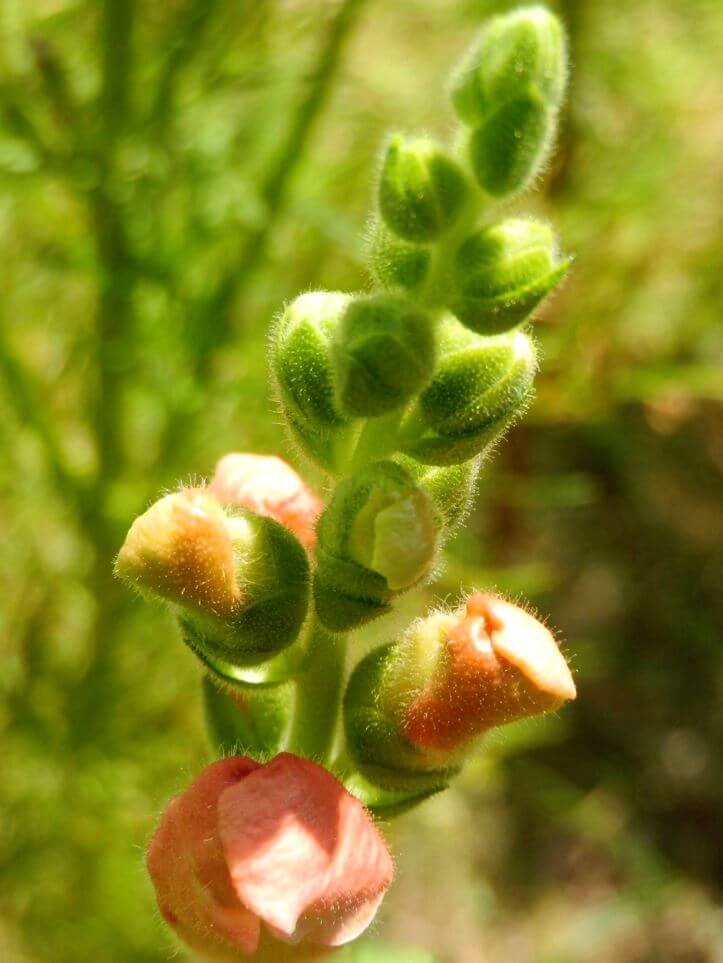
Snapdragons
Many people start snapdragons (Antirrhinum spp.) from seeds, either sown indoors or outdoors after frost. My best luck with them has been by planting small, but sturdy potted plants from my favorite garden nursery. While they take a bit longer to regenerate new blooms than some other species, snapdragons offer tall, spiky structure to floral bouquets, so they’re definitely worth the wait. They can be planted a little earlier in the spring and will take a very light frost with little worry.
Most garden cultivars derive from Antirrhinum majus. In my experience, the larger cultivars—in particular, ‘Rocket Mix’ which grows to 3 feet tall—are the sturdiest and best performers as cut flowers. They truly make a statement as graceful, stunning vertical elements in any bouquet.
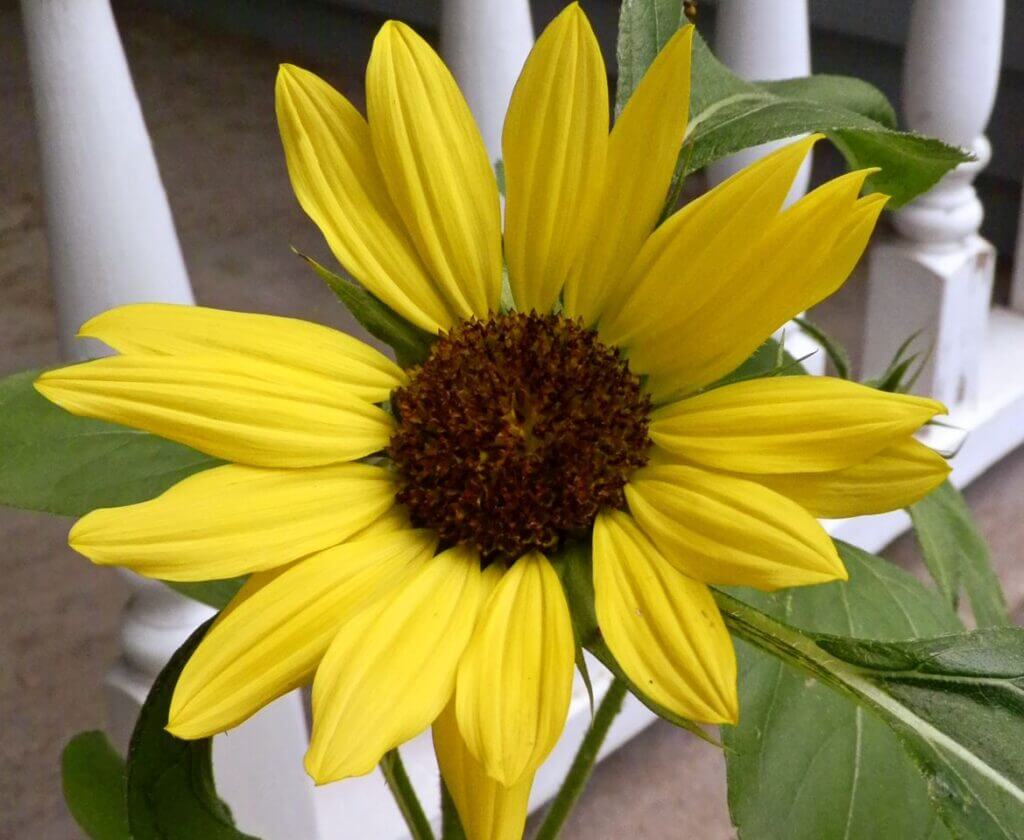
Sunflowers
These dramatic beauties in the Helianthus genus can stand on their own in arrangements with light foliage enhancement, or as elements in larger arrangements. They tend to bloom prolifically toward the end of the growing season. There are so many species and cultivars of beautiful sunflowers that work well as cut flowers. Some are even hardy perennials in colder garden zones (down to zones 2 and 3!). But if you’re growing varieties that are annuals in your zone, the seeds can be collected for re-planting the following year.
I don’t really have favorites when it comes to sunflowers—I enjoy trying new ones from time to time. And because I have limited sun in my garden, I have limited spots for them to grow. If you have a large, sunny garden, it might be worth experimenting with several different species and cultivars to determine which work best for your garden and for cutting.
These are just a few examples of great annual plant selections for cut floral arrangements. Remember to add fillers (to cover gaps), foliage (to enhance the display), and line elements (to create the outline). And have fun!
Beth Stetenfeld is an organic gardener, native plant enthusiast and garden blogger and writer. She’s also a master naturalist volunteer and instructor.
You may be interested in:
4 Cut Flower Garden Designs
Garden #1: Cut Flower Garden with Annuals I’ve always grown flowers for the value they add to our green landscape. I love the way a…
Grow a Cut Flower Garden
With farmers’ markets overflowing with beautiful bouquets of local flowers, it seems everyone is thinking about adding a cutting garden. Even a small 4-by-4 foot…
Plants for a Cutting Garden
Wondering what to grow in your cutting garden? Check out this list of best plants for a cut flower garden from author Susy Morris. For…