


MSHS History: An Eccentric Apple Grower
This article originally appeared in the March/April 2016 issue of Northern Gardener and was written in celebration of the 150th Anniversary of MSHS. Our Legends of MSHS column introduces readers to icons of MSHS history.
Peter Gideon (1818-1899) was a pioneering horticulturist and fruit grower whose dogged persistence in developing hardy apples in Minnesota was nearly overshadowed by his eccentric personality.

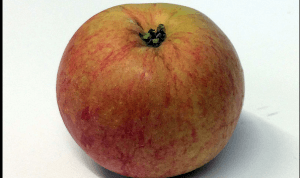
In 1853, Gideon moved from Illinois to a 160-acre claim he staked near Excelsior, where he set out to grow apples that could withstand Minnesota winters. He met with much failure over many years, until he discovered that combining hardy crab apples with varieties of larger common apples produced good quality fruit that could withstand this climate. In 1868, the best of these varieties, Wealthy, (named after his wife) became the first commercially successful apple from Minnesota.
Wealthy brought Gideon recognition among other growers and horticulturists, but ironically little wealth. In 1878, he was named superintendent of the first Experimental Fruit Farm, a parcel of land adjacent to his property that was purchased by the Minnesota Legislature and placed under the supervision of the University of Minnesota. There, he continued to experiment with improving hardy apples while barely acknowledging the university’s jurisdiction over his activities. This lone-wolf attitude didn’t endear him to university administrators, nor did his habit of promoting his views about religion, spiritualism (he was guided by spirits), slavery, temperance, morality and other topics both practical and peculiar, such as men’s beards (hated them).
An early member of MSHS, Gideon’s outspoken nature also estranged him from the society. He was bitterly opposed to horse racing, so much that for a time he refused to exhibit his fruit at the Minnesota State Fair where races were a staple form of entertainment. At one MSHS meeting he attempted to read his paper “Fruit Culture and Fast Horses,” but the members in attendance had heard enough and passed a motion barring completion of his talk. Years later, attitudes toward him softened, and he was eventually made an honorary member of MSHS and officially recognized as “the father of fruit breeding on the prairies.” This secured his place in MSHS history.
Yet he never softened his own beliefs, and met challenges to them with the same steadfast resolve that he showed while facing down all those bleak Minnesota winters on his apple farm.
—Tom McKusick
You may be interested in:
Which Heritage Apples are Still Available?
Recently, our community outreach manager Courtney Tchida visited the Gibbs Farm, a wonderful historic site run by the Ramsey County Historical Society. There, she had…
MSHS 150th Anniversary Year in Review
For MSHS, 2016 was destined to be an exciting year. The organization celebrated its 150th anniversary with several wonderful events that highlighted both its history…
Congratulations, MSHS Award Winners
Each year, MSHS honors individuals and groups that represent the exemplary achievements gardeners make in Minnesota, though community gardening and public greening efforts. This year’s…