


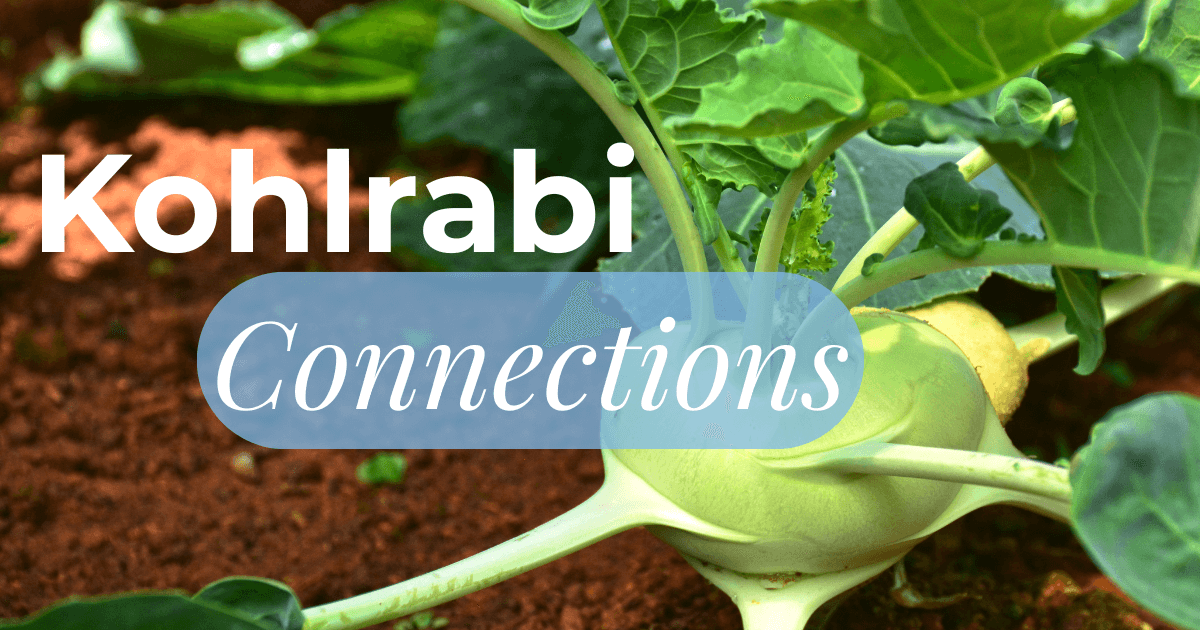
Kohlrabi Connections: A story of food and family ties
I love growing kohlrabi in my garden.
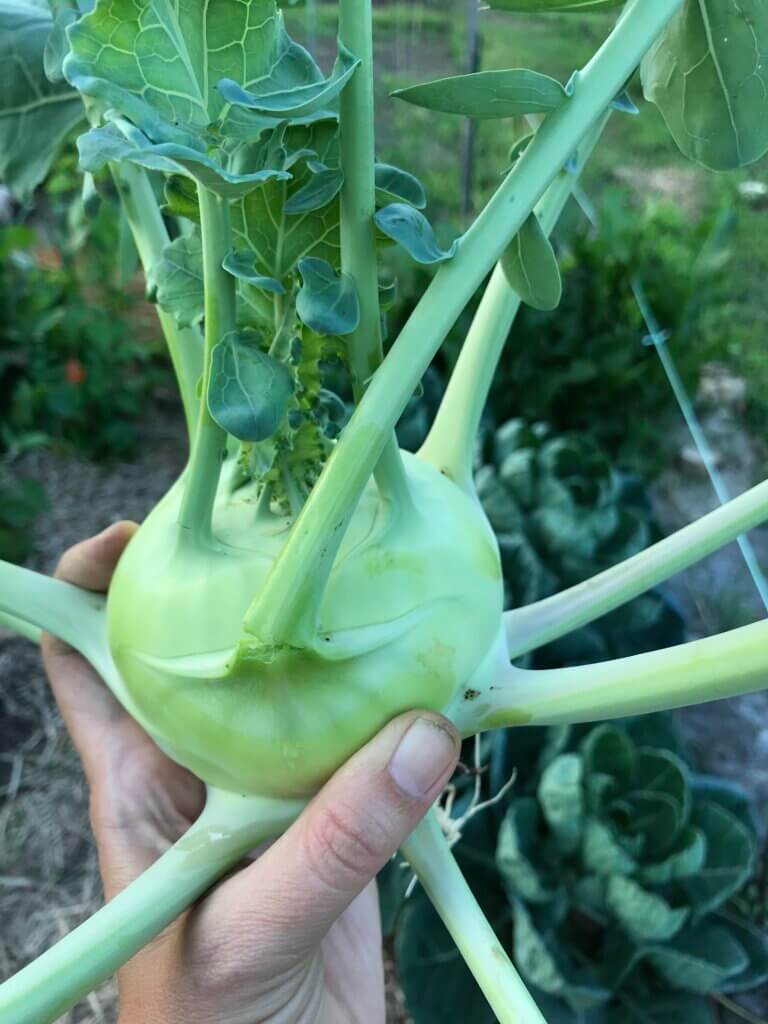
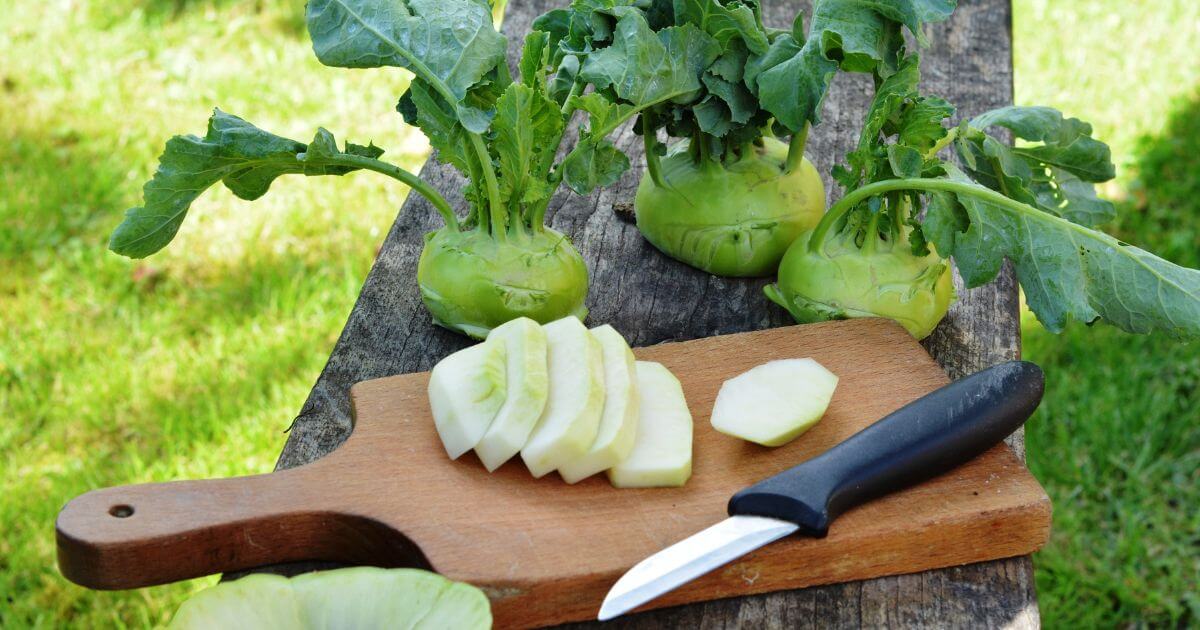
In this family, kohlrabi is everything. We slice it and eat it raw with salt and pepper—I relish the crunchy blend of sweet and salty.
One year, I had a bumper crop and brought an extra one to my parents. My dad got all excited when he saw it—apparently his mom also grew kohlrabi in her garden, and he hadn’t had it in years. He said they usually ate it the same way as we do; sometimes the kohlrabies didn’t even make it to the house.
A Tradition of growth and harvest
My grandparents started their life together during the Great Depression. The thriftiness that was forced upon them during those years lasted a lifetime and helped sustain their large family on a small dairy farm in central Minnesota. We lived a short bike ride away when I was a kid.
I was fascinated by Grandma and Grandpa’s root cellar. Part of the floor was dirt, there were huge spiders, and there was even an old ringer washer that Grandma still used. One entire wall was lined with simple shelves. I marveled at the jars of pickles, green and wax beans, peaches and pears. She kept gardening, pickling and canning far into retirement age.
I like to think that I inherited some of my gardening passion from my grandma. She usually
dedicated half of her large garden to potatoes—another favorite of mine. She grew Russets and stored them in her root cellar to help feed her family over the long winter.
She was also passionate about pickles, and as her boys got older, they grew extra cucumbers out in the fields to sell in town for extra income. She purchased crates of peaches and pears in season, canning them for winter desserts.
From Generation to Generation
Today, I looked out at my small, inner-city garden with its purchased organic fertilizers and sophisticated watering system, and I thought about Grandma’s garden.
Her fertilizer came from their dairy cows each fall, their waste hauled and spread by Grandpa with his tractor—a true closed-loop system where everything was used and there was a use for everything.
She planted many varieties of vegetables—from beans to tomatoes to cucumbers—in neat rows, but I can’t imagine that raising eight kids and helping to run a dairy farm left time for weeding, watering and maintaining a pristine-looking garden. But the land still provided a bounty, and Grandma used it all.
She lived to be 102, crediting her long life to her daily walks around the farm and drinking plenty of water. She passed away when my kids were toddlers, but I think it would have tickled
her to see them grow up eating snap peas, strawberries and even carrots right out of the garden.
I think of my grandparents sometimes when I am struggling to do hard things—their lives were touched by so much hardship. But they persevered and found simple joys on their farm, with their sleepy black dog and ever-wilder raspberry patch.
Several years ago, I became interested in growing vegetables in stock tanks—both because it was trendy and it seemed like a good way to maximize my small growing space. I visited the old farm, and my dad and I cleared aside some weeds and dug out one of Grandpa’s cow watering tanks. I hauled it home in my Honda. Now I grow vegetables in it every year, and I smile whenever I look at it, my own sleepy black dog lying nearby.
Pulling a kohlrabi from my garden and serving it up fresh for supper—it’s an expression of love for my family— and that love ties us together across generations. Grandma understood this,
and I think now I am starting to understand it, too.
This article originally appeared in the Spring 2023 issue of Northern Gardener® Magazine.
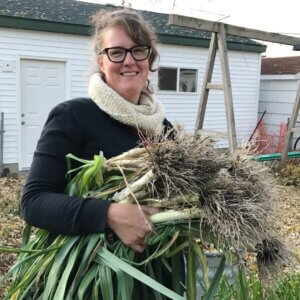
Jennifer Rensenbrink is a University of Minnesota Extension Master Gardener Volunteer for Hennepin County. She somehow has two mini-prairies on her tiny south Minneapolis property.

This is a beautifully written and engaging article that thoughtfully connects gardening, food, and community. The exploration of kohlrabi as both a culinary and cultural touchpoint is informative and warmly reflective, highlighting how growing and sharing food can foster meaningful connections. The piece blends practical insight with personal resonance, making it both educational and uplifting. Kudos to Northern Gardener for presenting such a thoughtful perspective that celebrates the deeper value of gardening beyond the garden itself.