


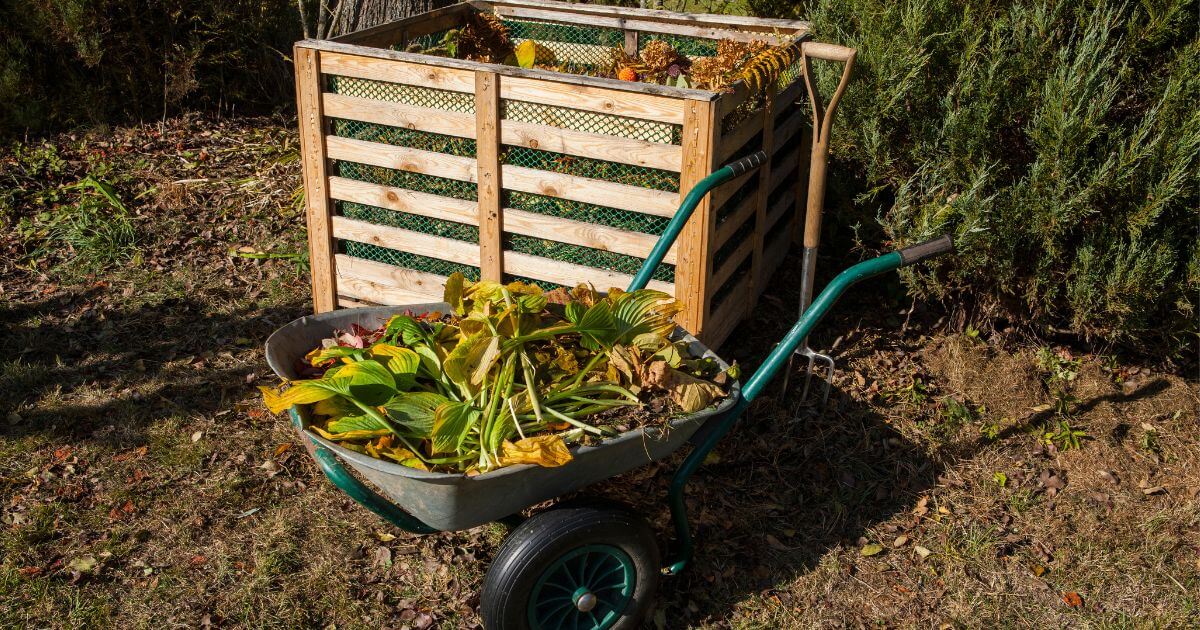
Compost for Beginners
Compost is decomposed organic matter—food scraps, dried leaves, grass clippings, spent stems and leaves, pine needles and other garden material. It’s filled with microorganisms and fungi, and gardeners consider it “black gold.” You may buy it at a host of garden centers, but making your own can be a fun and rewarding experience.
What is Compost and Why Do Gardeners Use It?
Gardeners use compost as a soil amendment as it feeds the soil alongside the plant. It adds nutrition plants need, of course, but also improves water retention in the soil and creates air pockets where roots can penetrate. Adding compost is a great way to nourish and replenish your soil. Many gardeners add compost to the hole of every plant they plant, while others spread a layer of it on top of a new garden bed, use it as a mulch in the vegetable garden or add a layer to all their garden beds in spring.
Can I Buy Compost?
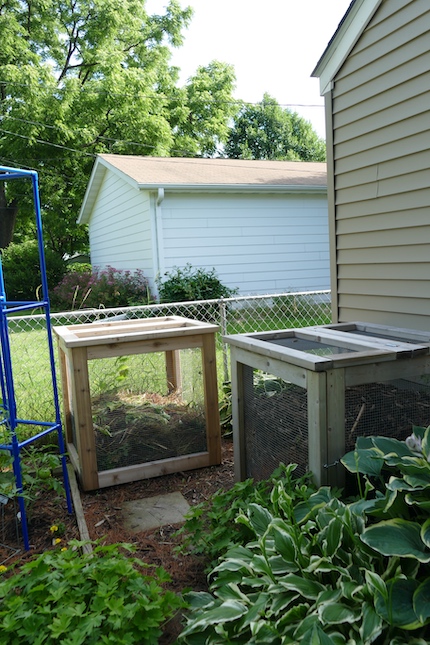
You sure can—it’s available at most garden centers and nurseries as a bagged product. Some even have compost in bulk. You can also get compost (usually for free) from city-run compost sites. Depending on how large your garden is, making your own may be your best option. For that, you’ll need a compost pile or bin.
How Do I Build a Compost Pile?
Making compost is easy. You pile up garden waste, food scraps and other organic matter (clothing with natural fibers is even OK), make sure it’s a bit damp and let it rot. No matter how big or small the pile is, it will rot—but a small pile that’s not managed can take years.
For an effective compost pile, it’s best to have a compost area (an open bin works great) that is 4-feet-by-4-feet and 4 feet tall. A smaller pile will work, too, though it will take longer. Composting works best if you pile dry (brown) materials, such as dried leaves, alternating with wet (green) materials, such as food scraps or fresh grass clippings. But really, just put all your garden waste and kitchen scraps in the bin. You might occasionally through in a shovel of soil, too.
What Should I NOT Put in the Compost Pile?
Glad you asked! Please no bones or meat scraps. Your dog’s poop is a hard no as well. Eggshells are OK. Coffee grounds are great. Depending on how hot your compost pile gets in the summer, you may want to avoid putting diseased plants in the bin, too. Big sticks and branches won’t decompose fast enough to become compost in the next decade or so. If you have room, a brush pile for these bigger items is great for the birds.
Do I Have to Turn the Pile?
Not really, but it helps. When I had a larger compost pile, I would turn the pile in spring to pull out the finished compost at the bottom and maybe give it another turn late in the summer just before adding the leaves and fall debris. Turning the pile helps it heat up, which causes it to decompose. A multi-bin system that moves the compost from one bin to another as it decomposes allows for even faster compost making.
How Long Until I Have Compost?
It depends. If you have a pile that is at least 4 cubic feet and that isn’t allowed to dry out excessivel—a few months. It may take a year or more for anything else.
For more resources, visit…
Lee Reich’s Compost Bin—a Northern Gardener contributor who is a compost expert describes his bin system.
A great book on composting for those who want to dig deeper.


We advise our local gardeners in Hubbard County not to get compost for their vegetable gardens from the county composting site because one just doesn’t know how much pesticide is in it. It’s probably okay for flowers.
That’s probably a good idea.
Do you continue to add to the pile throughout the winter?
You can. The pile will freeze over winter in Minnesota, so not much composting will happen. It’s a good idea to turn your compost in early spring to get the decomposition process started again.