


Agroecology in the Heartland
Have you heard about agroecology? There’s a movement among some farmers and growers toward “greener” crops—switching from genetically modified (GMO), non-native plants to native crops that can help capture carbon and/or fix nitrogen in the soil.

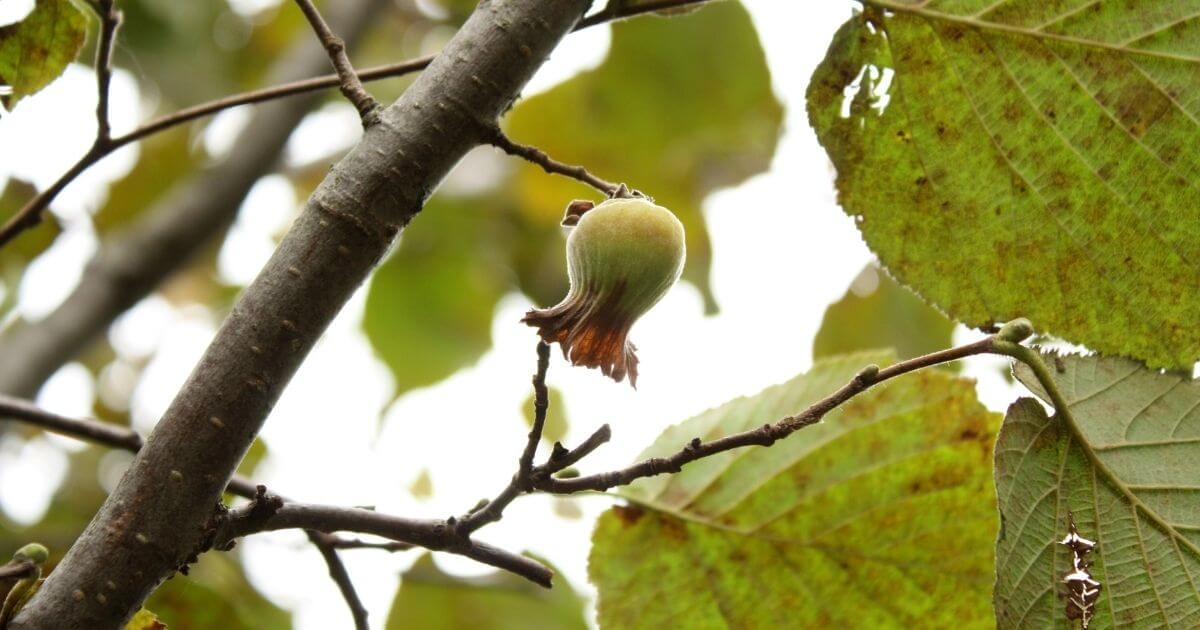
For example, hazelnuts (Corylus spp., see feature image) and chestnuts (Castanea spp.) can fill some of the same roles in agriculture and the food supply as corn and soybeans, providing sustainable crops, cooking oil and food for humans and animals. They also conserve soil and create habitat for wildlife.
As the Experimental Farm Network Group (EFN) describes it, “We cannot continue to feed the planet under the current paradigm…. The day approaches when our soils will be too depleted, our crop biodiversity too limited and our climate too unpredictable.
“We need to develop more agricultural cooperatives and strong, regional economies like those that thrived before industrialization. We’ll need to share resources, especially seeds, land and education. And we’ll need to collaboratively develop more sustainable growing systems and practices… that work in harmony with the natural world.”
Some chicken farmers are moving in this direction, too. Chickens from Minneapolis-based Tree-Range Farms are raised in “jungle-like” forested pastures, more similar to their native habitats. In the forested pastures they can forage on plants and bugs without the need for antibiotics or restrictive confinement.
These concepts also can be applied to small farm plots and home gardens. As Chelsea Debret describes through One Green Planet, “While it may seem that you need to be a scientist to practice regenerative agriculture, it’s quite simple to create your regenerative garden in your backyard!”
Debret recommends:
- Cover cropping: Instead of manually adding nitrogen to the soil, you can plant short-term, quick-growing crops like buckwheat or legumes that can be mowed, eaten, or chopped down before planting the main garden plants.
- Decreased soil exposure: Plant succession crops—one after another in the same spot—and use sown pathways. For example, annual rye creates a green pathway that requires minimal maintenance, smothers weeds and increases organic matter.
- Zero-tilling: Though tilling is a great way to prepare a garden bed, it degrades the structural integrity of the soil and reduces its ability to retain water and resist erosion. Instead, think about using sheet composting—covering the garden bed for winter with cardboard, compost and leaves or straw.
- Soil solarization: With this technique, use large, clear plastic sheets to cover the soil for 24-36 hours, which increases the temperature of the soil and kills weed seeds and pathogens. This prepares the garden for direct seeding and planting.
Agroecology and regenerative agriculture are doable practices for large farms and small gardens alike. “Holistic land management,” says Debret, “focuses on farming and grazing practices that, among other benefits, reverse climate change by rebuilding soil organic matter and restoring degraded soil biodiversity—resulting in both carbon drawdown and improving the water cycle.
“Regenerative agriculture,” she adds, “aims to increase the organic matter in the soil used to grow vegetables. By infusing the soil with more nutrients, we’re infusing our foods with more nutrients and, therefore, infusing our bodies with richer quality nutrients.”
Beth Stetenfeld is an organic gardener, native plant enthusiast and garden blogger and writer. She’s also a master naturalist volunteer and instructor.
You may be interested in:
Book Review and Recipe: The Northern Heartland Kitchen
In The Northern Heartland Kitchen, Dooley marches through the seasons, creating recipes and meals with ingredients most likely to be local in markets in the North.
What You Plant Matters–Deep Roots KC
Deep Roots is a collective impact organization of multi-sector Partners. Together with our Partners, we work to increase native plant landscapes. Our mission is to encourage the appreciation, conservation, and use of native plants in the heartland through educating, collaborating, and facilitating the planting of regenerative native landscapes that are essential for a healthy planet.
Book Review: The New Midwestern Table
Park Rapids resident Amy Thielen’s book isn’t about gardening, but it’s a volume Midwestern gardeners will want to have close at hand as they preserve…