

Abuela’s Mission
Colectiva Bilingüe and Garden-in-a-Box cultivate community and future gardeners.
This article first appeared in the Summer 2025 issue of Northern Gardener magazine. Visit our shop to order this or other available back issues.
STORY AND PHOTOS GLORIA VELAZQUEZ
As a gardener and grandmother, I believe in the importance of connecting with the land and passing this knowledge on to younger generations. This passion motivated me to get involved with Colectiva Bilingüe’s environmental leadership team and the Minnesota Horticultural Society’s Garden-in-a-Box program, an initiative that has changed our lives in unimaginable ways.
When my grandchildren recently began attending Emerson Dual Language School in Minneapolis, I was excited about their education and intrigued by the diverse and vibrant community they’d grow alongside.
Colectiva Bilingüe, or the Minneapolis Bilingual Education Collective, is made up of parents, grandparents, teachers, students and community members committed to bilingual education and equity in learning through community events, capacity building and resource distribution. The Collective unites Minneapolis’s five Spanish dual language public schools, creating a strong, inclusive community for all students.
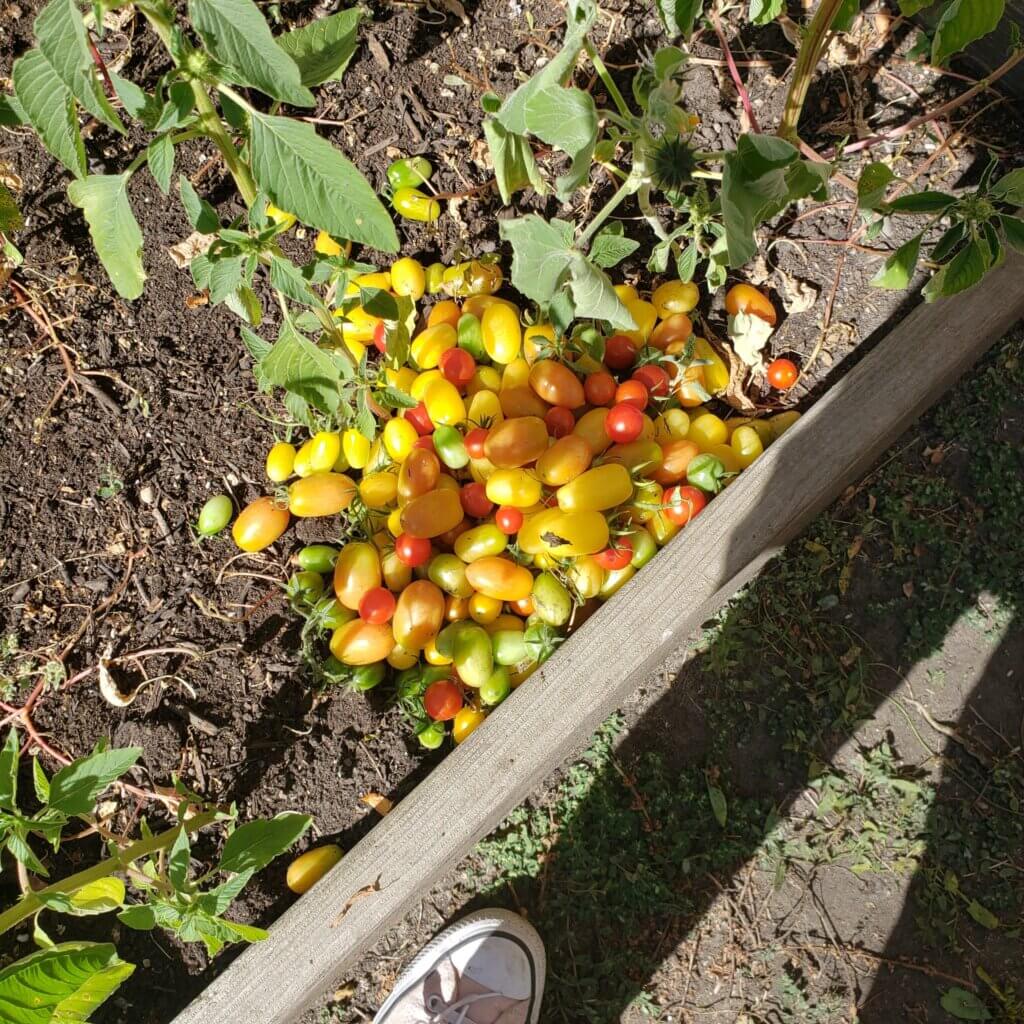
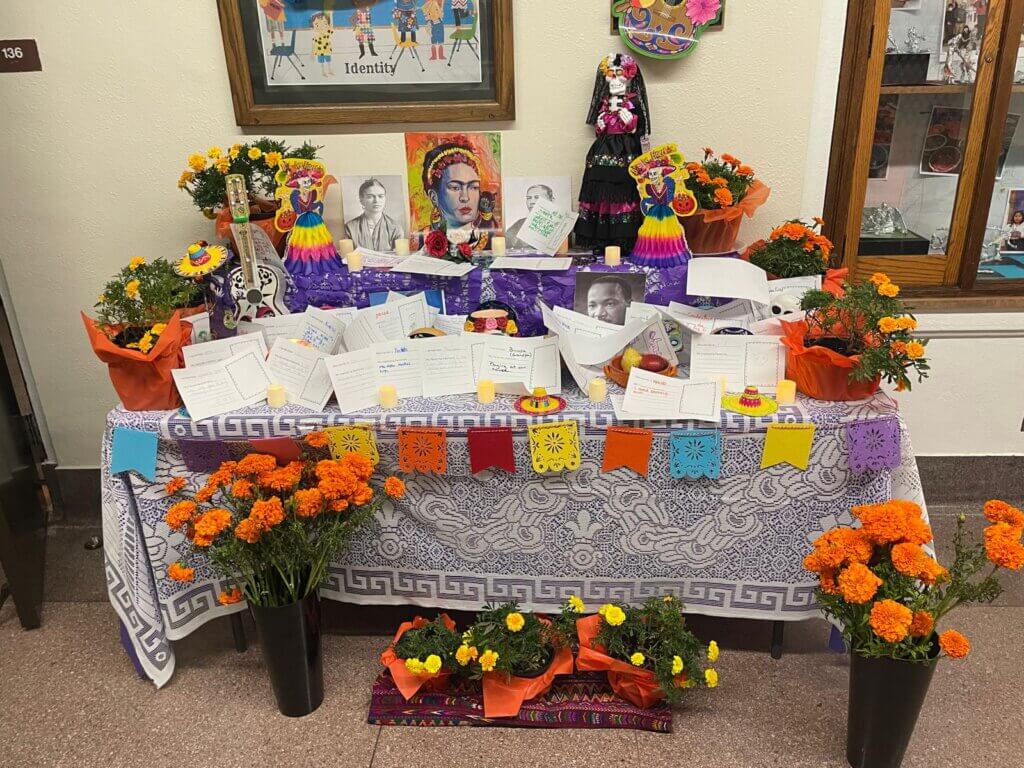
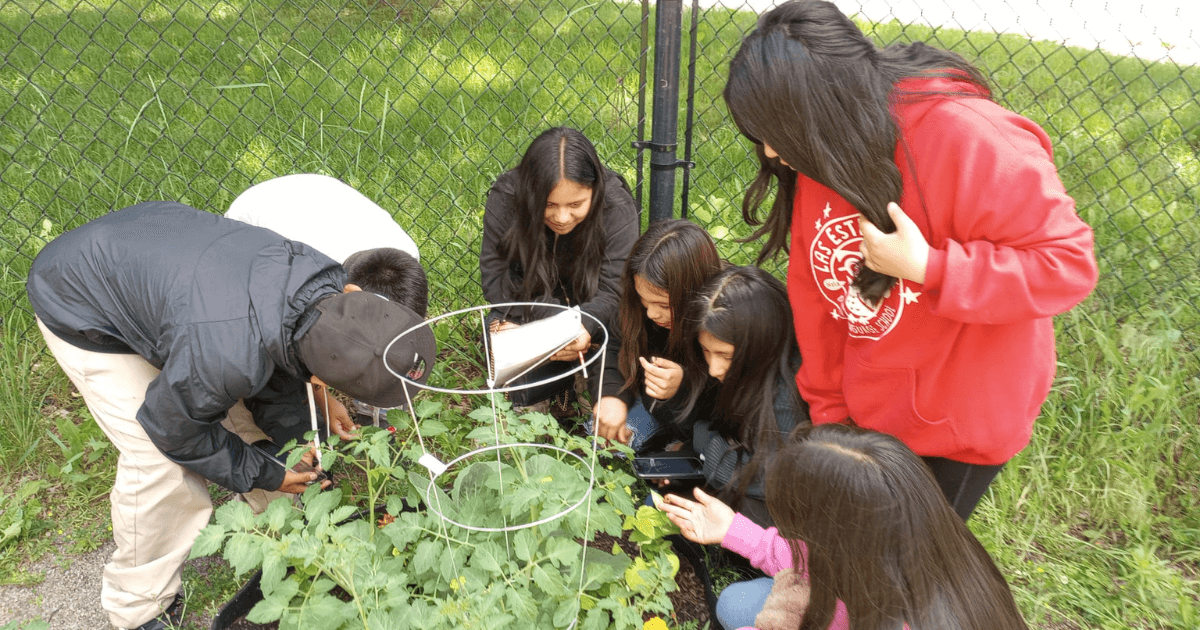
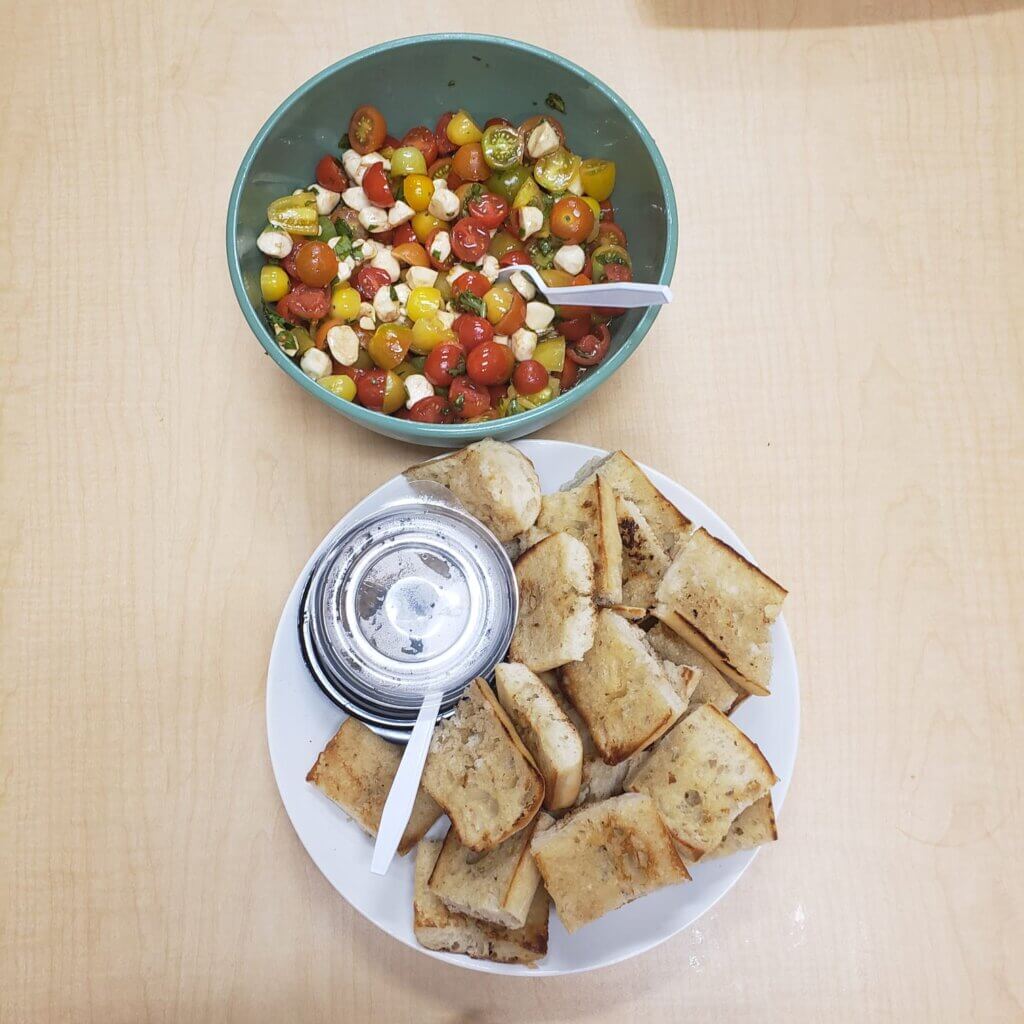
Since joining Garden-in-a-Box, all five schools that make up the pre-kindergarten through 12th grade pathway—Emerson, Green Central and Las Estrellas elementary schools, Andersen United Middle School and Roosevelt High School—now proudly tend school gardens. The majority of students (70 percent) at the three elementary schools are Latino. More than 50 percent receive English Language Learner services and over 60 percent qualify for free or reduced-price lunches.
I initially joined the Colectiva environmental team because of my interest in monitoring air quality and starting a recycling program in our school cafeteria. By connecting with Latina moms from the other elementary schools, we realized that having a garden at each school could help us teach students the importance of reducing pollution.
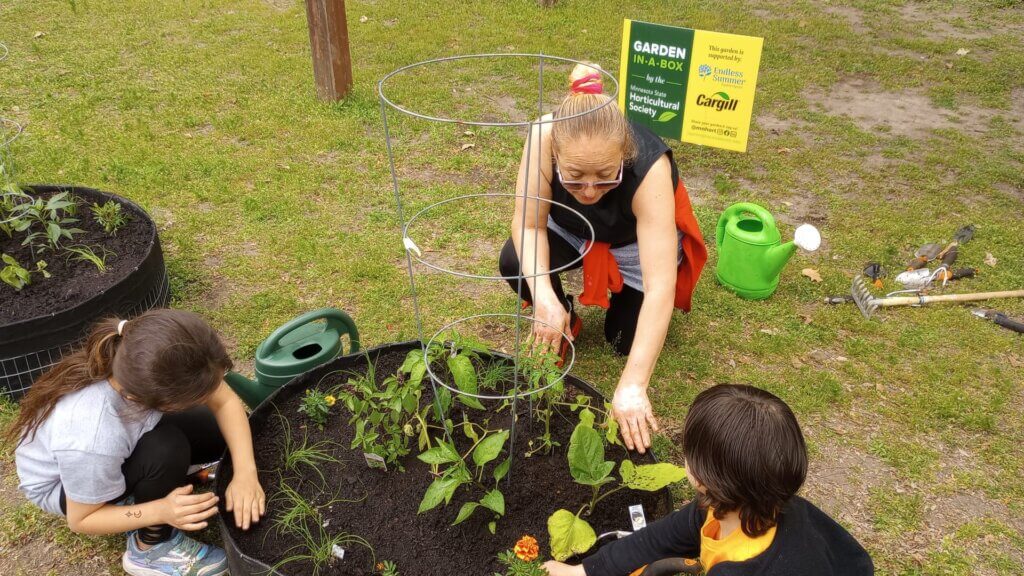
The Garden-in-a-Box program makes gardening accessible to school communities by providing growing beds, planting materials and instructions on how to make compost tea fertilizer. The idea of being able to bring this program to school excited us from the beginning because we knew it would offer multiple benefits: teaching children where their food comes from, encouraging healthy eating and strengthening our community through Latino leadership.
The Gardens at Emerson and Las Estrellas
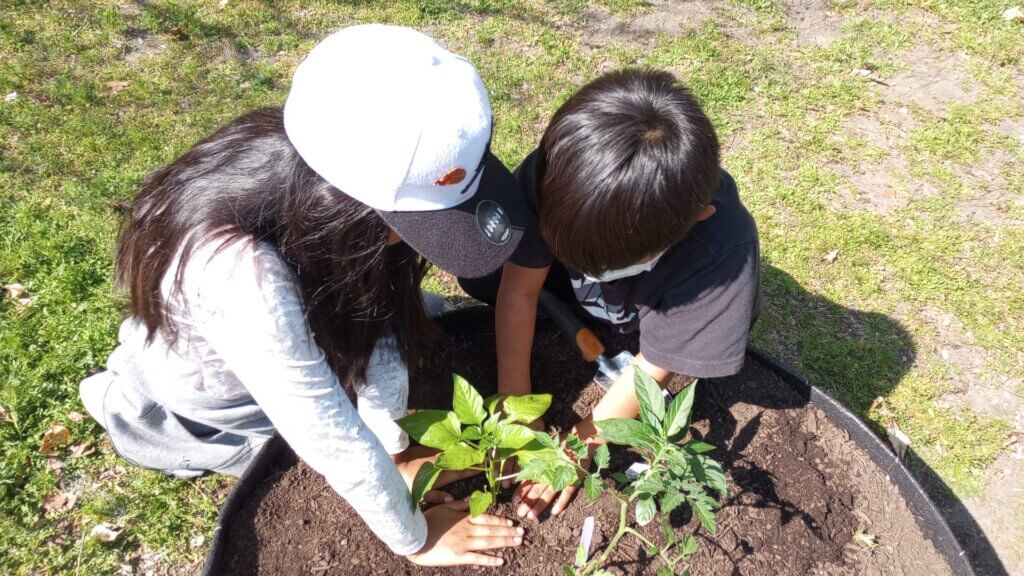
A small team of adults picked up materials to make 18 small garden beds during the first weekend of May 2024. We set up ten beds at Las Estrellas Dual Language School in Northeast Minneapolis and eight beds at Emerson Dual Language School downtown. We assembled the beds, filled them with soil and invited several classes to plant the little starts. I was surprised that the first-grade children were the most careful and hardworking of all the students.
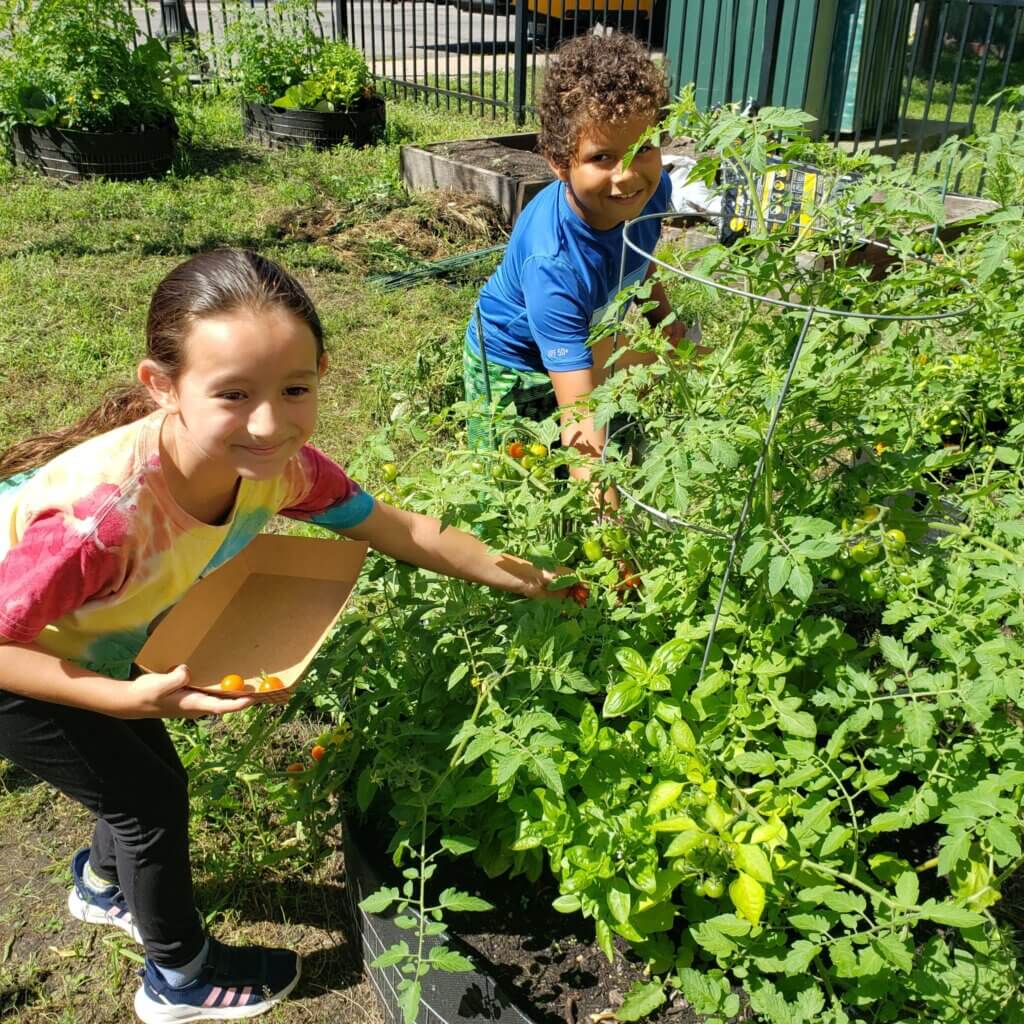
At Emerson, we involved students from three bilingual schools who attended our summer camp and harvested and gardened during recess.
Our main objective in joining Garden-in-a-Box was to unite our schools and families around connecting with nature and provide a sense of belonging that many immigrant families lose when moving to an unfamiliar country. As we grew gardens and community, we discovered that the benefits surpassed even what we hoped:
- Experiential education: Children learn about biology, ecology and sustainability in a tangible and fun way. Many choose to spend recess time in the garden.
- Healthy eating: By growing their own vegetables, students become more interested in trying new foods and improving their eating habits.
- Teamwork: Gardening encourages collaboration and a sense of shared responsibility among children and adults from different cultures.
- Intergenerational connections: As grandparents and parents, we can share knowledge and strengthen family ties through work in the garden.
- Community empowerment: Initiatives like this reinforce a sense of belonging and commitment to the school and community in general.
Our dream moving forward? To expand the program, involve more families and make gardening an integral part of the daily educational experience for every student. Committed to caring for our planet, I have experienced the power of student, family and teacher collaboration. With support from Garden-in-a-Box, we will continue sowing seeds in the soil and in the hearts of the next generation.
You may be interested in:
Creating Community Gardens
Community Gardening Tips
Ed. note: This article supplements a larger feature on community gardening in the Spring 2025 issue of Northern Gardener. Starting a Community Garden is no…
How Garden-in-a-Box Connects New Gardeners with Materials They Need
There is nothing quite like experiencing a child’s joy in the garden. Seeing a little one watch seeds in the ground become the fruits and…