



Rabbit Proof Your Garden in the Fall
As we inch slowly toward winter, it’s time to put away your garden tools and protect your plants from scavengers. For suburban and urban gardeners, that often means rabbits. Making some of your tasty plants rabbit proof is the best way to make sure your shrubs and trees will be healthy and ready to grow next spring.
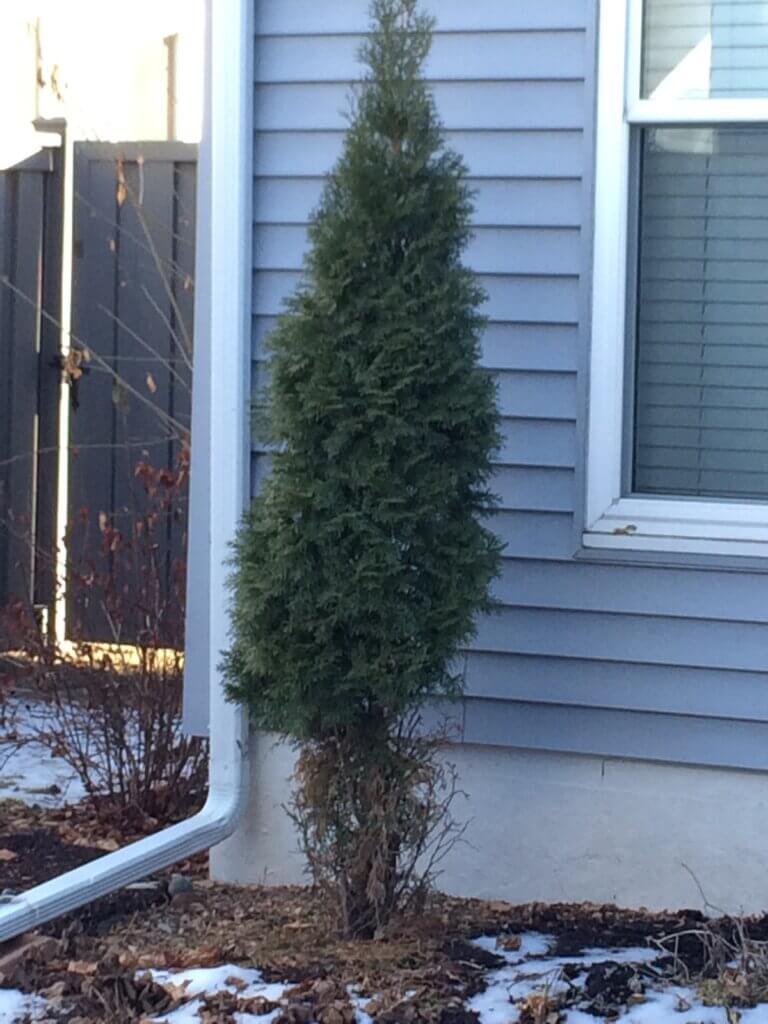
Like deer, rabbits will eat almost anything if they are hungry enough. However, they prefer the bark and tender branches of fruit trees, especially plums, cherries, apples, serviceberries and pears. They also will gnaw on maples, yews, burning bush shrubs, quinces, roses and raspberries. Hungry rabbits have no problem devouring prickly or textural plants as well, including small pines, arborvitae and even barberries.
To reduce the winter rabbit population in your yard, it’s a good idea to clean up brush piles and other places that offer cover. If you have a deck that’s a foot or two off the ground, attach hardware cloth or a tight cedar lattice between the ground and the deck floor to prevent rabbits (or other critters) from bunking down there during the winter. Fencing around your entire garden, with a ¼ inch hardware cloth on the lowest 2 feet, can prevent rabbits from entering during warmer months, which may make them less likely to look in your yard for food in winter. However, as snow levels rise, rabbits can get through many fences.
Rabbit Proof Vulnerable Trees

For vulnerable plants, adding protection around individual trees and shrubs is the easiest way to rabbit proof the plant. Choose a ¼ inch hardware cloth or chicken wire for shrubs or mature trees. A young tree can be protected with corrugated or other plastic tree guards that encircle the trunk loosely. Because rabbits can easily travel on top of snow, choose protection that is 4 feet tall and place it a few inches from the trunk or shrub line. You may want to bury the bottom 2 to 3 inches of fencing to prevent burrowing animals from getting at your tree.
Some repellants can be used in winter, though others must be applied when the temperatures are above freezing. Be sure to read package directions to determine whether it can be used in the cold months and how to apply the repellant.
Other critters that cause damage?
While rabbits cause a lot of tree and shrub damage, they are not the only critters after your plants. In areas with heavy deer populations, you may see tearing on young branches and other signs of browsing. Like rabbits, fencing them out and not encouraging deer in urban or suburban areas by feeding them is the best approach. Rodents, such as mice and voles, may nibble on tree bark or disrupt lawns. While you may see signs of tunneling in the snow, most often the damage is not visible until spring. To discourage rodents, remove or isolate brush piles and keep the area under your bird feeders clean.
Mary Lahr Schier is a long-time Minnesota garden writer.
Featured photo: Young rabbits hide in a nest built in a garden. Credit: Adam Nir on Unsplash. All other photos courtesy of Mary Lahr Schier.
You may be interested in:
Deer, Rabbits and Other Critters
Deer, rabbits and voles, oh my! Plus gophers and pocket gophers, moles and chipmunks, woodchucks and raccoons. The list of of four-legged pests that northern…
How to Outsmart Squirrels
Resistance may be futile, but try these tactics for keeping squirrels out of your garden. I like to imagine what a squirrel real estate listing…
Fall Garden Inspiration in Northern Gardener
Pumpkins, dahlias and DIYs—the new issue of Northern Gardener® is full of inspiration and practical ideas for your fall garden. On the cover are stunning…