



Layering Your Edible Garden
Think of Christina Chung’s new book, The Layered Edible Garden, as permaculture made easy. Chung, a horticulturist known on social media as @Fluent.Garden, guides gardeners through the steps of creating a lush, fairly easy-care edible garden, using many of the principles and ideas of permaculture.
Permaculture argues for creating a garden that is more like nature, one where plants cover the ground and grow in layers, each plant supporting others by attracting pollinators, providing vertical support, improving the soil or keeping out weeds and invasives. Planting an edible garden on these principles is better for the environment and often much less work for the gardener than traditional vegetable gardens.
A Guide for Beginners
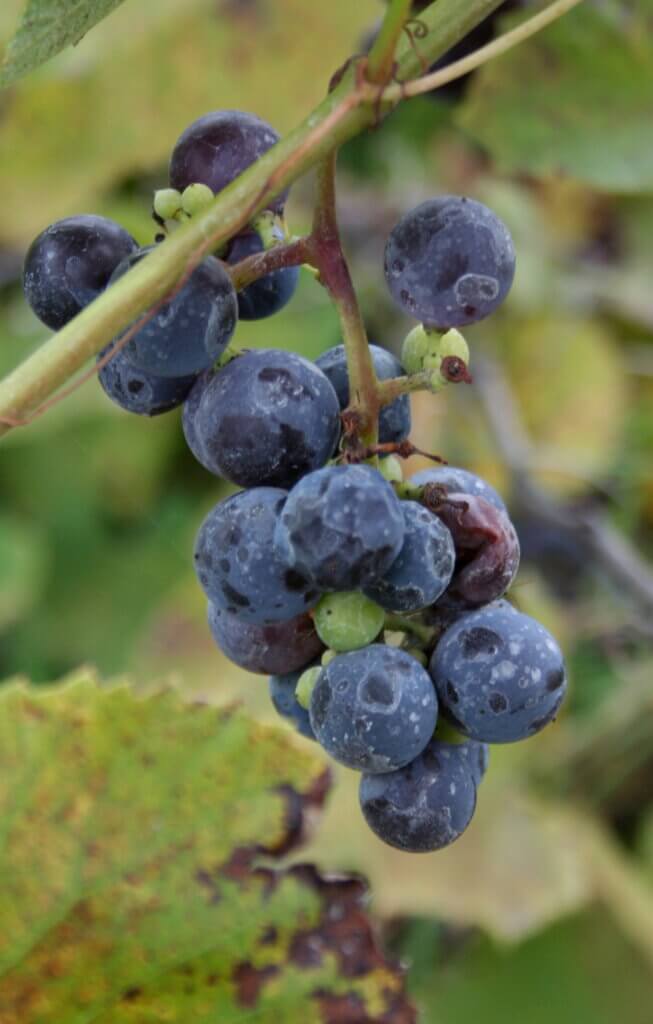
Chung’s book gives beginners an overview of why and how to set up a layered edible garden. She identifies eight layers gardeners might include: canopy plants (taller trees), subcanopy (smaller fruit or nut trees), shrubs (mostly berry producers), herbaceous perennials (asparagus and more), climbers (grapes), annual vegetables, groundcovers and root crops. While not every garden is large enough for all of the layers, planting several of them will produce benefits.
Having a garden with natural layers and a wide range of plants typically will attract greater biodiversity to the garden, especially beneficial insects. Because organic matter is plentiful and tilling is rarely done once the layered garden is established, soil health improves and the close planting squeezes out weeds.
Chung’s book shines in its discussion of how to plan and plant a layered edible garden. She covers important considerations for building garden structure, incorporating existing features and making plant choice. She covers how to work with the current layout and plants, sun and soil conditions, climate and microclimates, as well as the all-important consideration of how much time and budget you have available. She shows readers how to draw a site plan using several techniques, none of which is too complicated. She also describes different methods of site preparation and ideas for creating a garden in stages. The book’s warm tone and many photographs are encouraging and inspiring.
Can You Grow an Edible Garden in the North?
Chung lives in Vancouver, British Columbia, a climate much more amenable to perennial food growing than we have in the Upper Midwest. That said, a majority of the plant recommendations she makes would grow well in our climate, especially the canopy and subcanopy plants. In the shrub area, she recommends a few nonhardy plants like tea (Camellia senensis) and bay laurel (Lauris nobilis), but also serviceberry, elderberry, honeyberry and currant, all of which are great options in the North. She encourages readers to expand their palate when choosing perennials to eat. (Sorrel, sure; hostas, no thanks.)
Throughout the book, Chung offers options and ways to ease into layered, edible gardening. She understands the challenges new gardeners face and is a nurturing guide. This book would be a great gift for gardeners who want to expand what they are growing and eating and to create a more sustainable yard.
Mary Lahr Schier is the author of The Northern Gardener: From Apples to Zinnias and a long-time Minnesota garden writer and speaker.
You may be interested in:
Garden Trends for 2016
It’s fun to see all the garden trends that marketers and other soothsayers are predicting. Another way to find out about what’s new in gardening…
Propagation Plant List for Northern Gardeners
Featured above: Many tender rose varieties are grafted to hardier stems to help them survive in northern climates. Want to grow your garden without spending…
Keeping a Modern Root Cellar
It’s simple, really. I prefer the easy road. Grab a carrot, a couple potatoes, maybe an onion or garlic and cook a simple family dinner….