


Got Garden Pests? Try These Organic Methods to Diminish Their Damage
Dealing with plant-wrecking pests can be frustrating and difficult, especially when trying to garden organically. Balancing desires to support the local ecosystem and beneficial insects while avoiding crop and plant damage can be a challenge.
Whether your garden includes edibles, ornamentals or a mix of both, here are a few treatments and techniques that can help with most pesty problems, while simultaneously causing minimal harm (or even provide benefits) to desirable creatures and plants in the garden.
Beer traps
Believe it or not, slugs, earwigs and pill bugs are attracted to the smell of beer. The scent of yeast and/or sugar draws them in, and then they drown in the liquid. I fill small medicine or snack cups with beer and then dig small indentations in the soil and place them there.
Marigolds
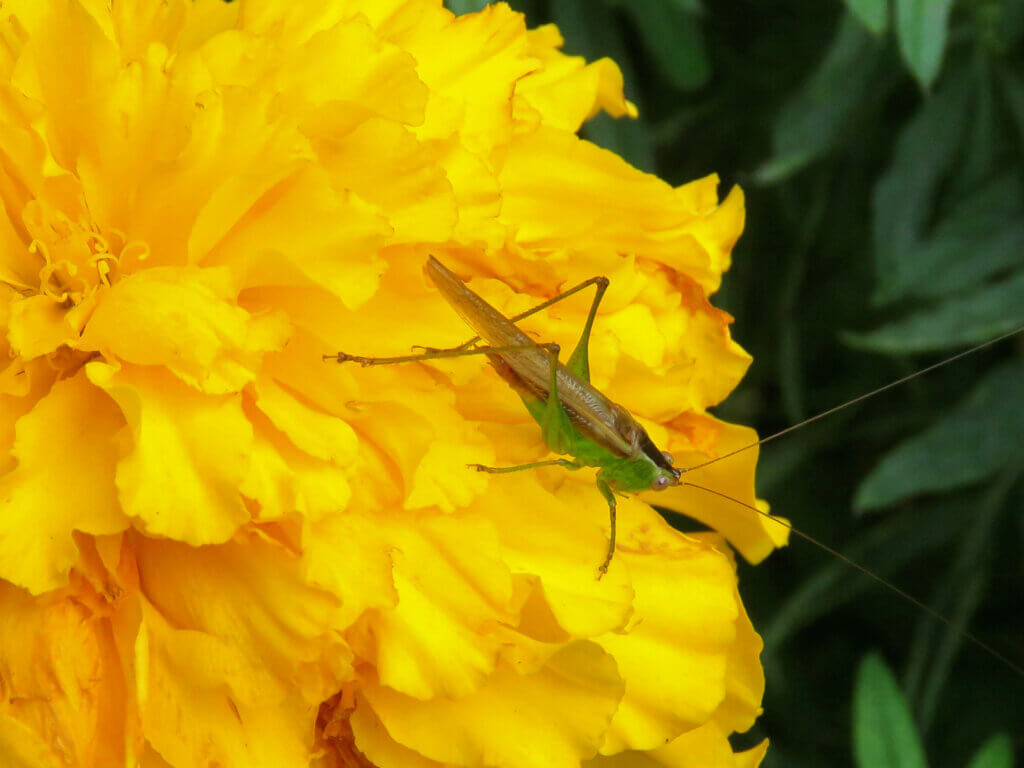
While slugs and earwigs are attracted to marigolds (Tagetes spp.), the bright bloomers tend to lure these critters away from your other flowers and crops. Marigolds also repel many other pesky insects, including aphids, thrips, whiteflies, spider mites, beetles and nematodes. And if that’s not enough, marigolds add warm color to the garden and attract beneficial pollinators, such as bees and hummingbirds.
Wood ash
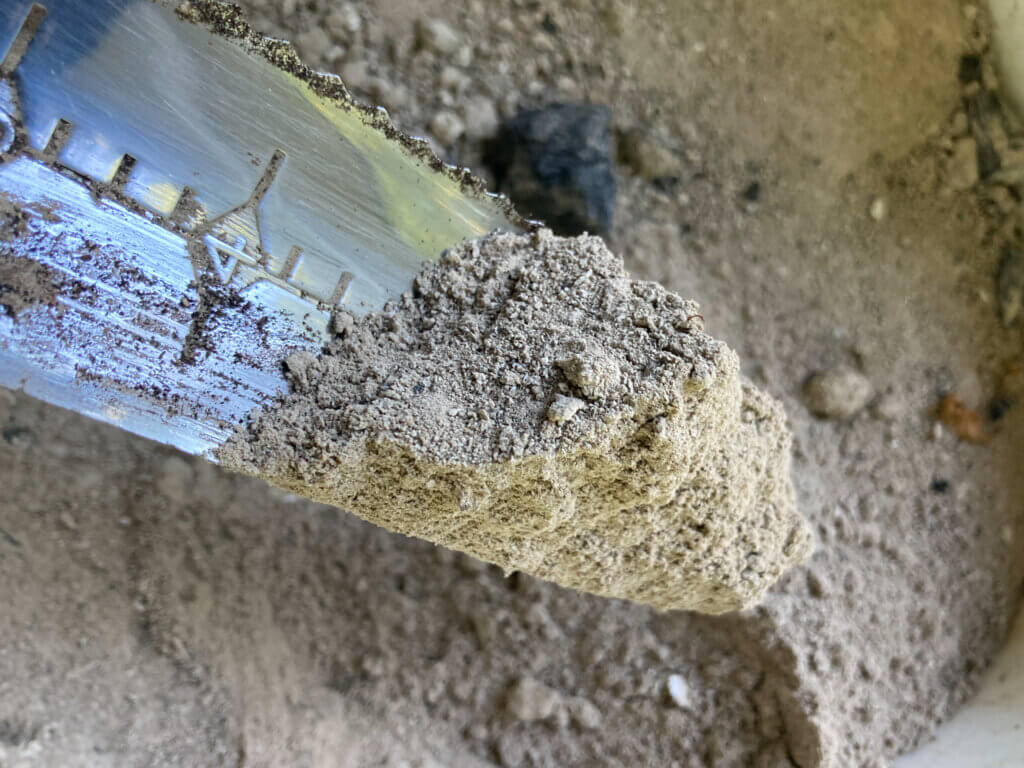
Apply to garden soil in late fall, early winter or early spring to repel and/or smother aphids, slugs, snails, borers, mice and rats. Other benefits include the nutrients in the ash that can improve the soil. But keep in mind that wood ash increases soil pH, so it’s not a good option if your soil is already alkaline. Also, some crops such as blueberries prefer acid soil, so avoid using wood ash around these plants.
Milky spore
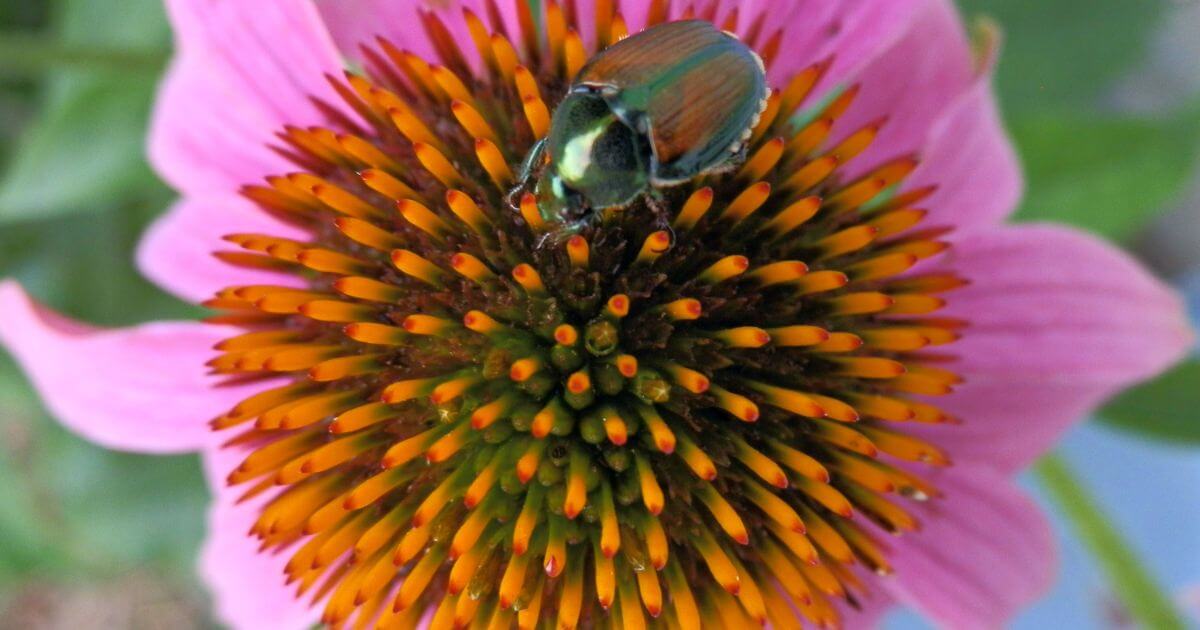
Have lots of Japanese beetles in your garden? Milky spore, a bacteria-containing powder, can help reduce them. It’s not a quick fix (it takes a few years to radically reduce the beetles’ numbers), but it does seem to work over time. I seem to have far fewer Japanese beetles in my garden after applying milky spore for several years now. One big benefit of milky spore is that it kills Japanese beetle grubs but doesn’t harm any other insects or creatures. Follow the directions on the container to apply the powder in late summer or early fall.
Eggshells
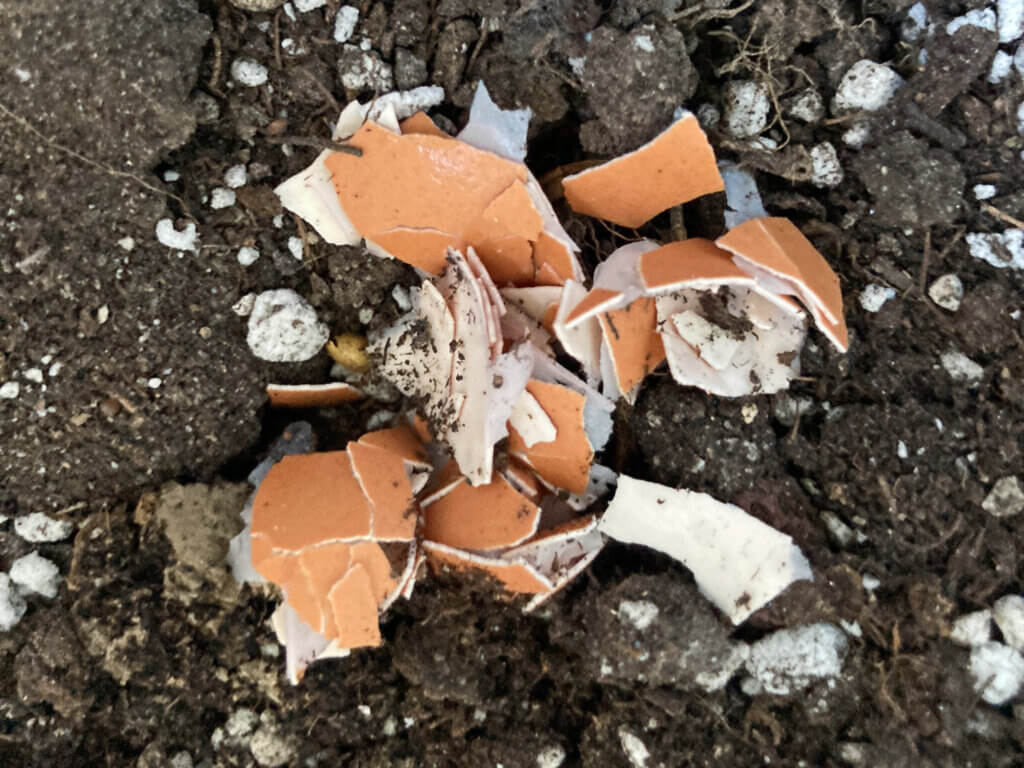
After cracking eggs for use, simply rinse the shells, let them air dry, and then crush them into small pieces to apply to the garden: in the soil before planting or around the base of your plants. They tend to repel many crawling insects, and they also add nutrients, including calcium, to the soil.
These are just a few organic/low-harm methods to help reduce pest damage in your garden. Others include companion planting (to repel pests from specific crops); insecticidal soap (to apply to indoor plants, or outdoors at dawn or dusk when pollinators aren’t present); unpainted, untreated two-by-four planks (to catch slugs and snails); and organza/mesh bags wrapped around fruits and vegetables (to block out harmful insects).
Good luck!

Beth Stetenfeld is an organic gardener, native-plant enthusiast and garden blogger and writer. She’s also a master naturalist volunteer and instructor.
Photo credit: Beth Stetenfeld.
You may be interested in:
What to Do About Magnolia Scale
If you have magnolias in your landscape, there are two things I know about you: you adore these fabulous spring-blooming trees and would be heartbroken…
Urban Ventures: Farm and Nutrition
Young people from diverse backgrounds do the meaningful work of growing and enjoying nutritious food. This article first appeared in the Fall 2025 issue of…
4 Common Insect Pests in the Vegetable Garden
Before we even start talking about pests, let’s be clear: Most bugs are good bugs, and trying to keep your vegetable garden bug-free is not…