


How to Build a Compost Pile
For a successful compost pile that will heat up and decompose materials within a few months, make sure it is at least 3-feet by 3-feet by 3-feet in size. Here’s how to build it:
- Start the pile with a base of small twigs or chopped brush set on top of the soil. This will allow air to circulate beneath the compost pile.
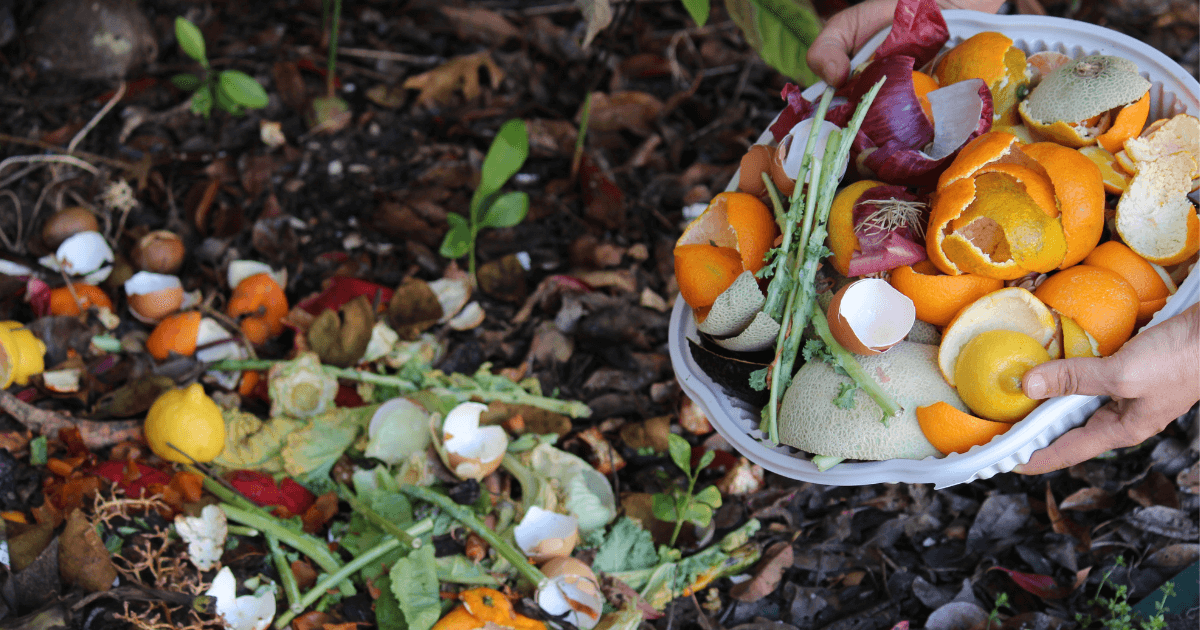
- Next, add a 3-4 inch layer of damp green materials, such as spent plants or kitchen waste. On top of that add a 4-6-inch layer of dry brown materials, such as dried leaves.
- Cover the brown layer with a 1-inch layer of garden soil or finished compost. This will introduce the microbes needed to help the materials break down.
- Repeat this layering process until the compost pile is finished. You may be working on your pile all through the season, then let it rest and decompose over winter.
- Your compost is finished when the pile cools off and has shrunk by about half in size. The compost will be brown, crumbly and have and earthy fragrance.
What Not to Compost
- Plants with disease or insect infestations
- Plants treated with pesticides, including grass clippings
- Invasive weeds
- Weeds that have gone to seed
- Dog or cat feces
- Meat or fish leftovers
- Whole bones
- Dairy products
- Grease, fat or oils
- Sawdust from treated wood
- Whole eggs (shells are OK)
This information from Terry Yockey originally appeared in the June 2004 issue of Northern Gardener.
You may be interested in:
Compost for Beginners
Compost is decomposed organic matter—food scraps, dried leaves, grass clippings, spent stems and leaves, pine needles and other garden material. It’s filled with microorganisms and…
Day 20: Feeding Your Vegetable Garden
Vegetables are living, growing things, and they need to be fed. The amount of nitrogen, phosophorous, potassium and trace minerals that plants need varies. (See…
Hügelkultur is Heating Up
Hügelkultur has been getting a lot of buzz lately. I’ve been practicing it for a while and I didn’t even realize it. In a nutshell,…