



Planting a Pocket Prairie: Tips and tricks for every yard
Have you considered adding native prairie plants to your garden but held back? Perhaps you want to grow them, but you have limited sun. Or maybe you have a large sunny swath, but you want to devote only a small part of it to native prairie plants. Time for a pocket prairie! Whether your garden is urban, suburban or rural, you can try this technique— if the light, soil and other elements are appropriate.
A prairie can grow in a variety of locations if you select plants that match the conditions of your site.
Native plant nurseries and catalogs have great information about the growing conditions required for each species. By growing small pocket prairies, gardeners can help reestablish food and habitat for pollinators, butterflies, birds and other animals. Those who’ve established pocket prairies on their properties describe them as rewarding, beautiful, inspiring and self-sustaining.
What Is a Pocket Prairie?
As the name implies, pocket prairies are relatively small areas—from a section of a yard to up to 3 acres—that are devoted to native plants. Whatever the size, plant pocket prairies with many species of grasses and wildflowers of diverse sizes, functions and bloom times. Select plants that grow well in your region and match the soil type you have. Having soil that allows for deep roots, as well as adequate drainage and full sun most of the day, will give plants the best chance to thrive, according to UMN Extension.
Prairie Planting and Care
Installing a prairie often starts with checking with city authorities to make sure a prairie is allowed where you live. The next steps are testing your soil for chemicals and clearing the area of weeds. Pocket prairies can be planted with plant plugs (small plant starts) or seeds. The choice is between speed and cost. Seeds are much cheaper, but it will take the plants two to five years to reach full size.
When planting seeds, the U recommends seeding at a rate of 30 seeds per square foot. Be sure to select seeds that are native to your area. If you are not certain, check with local native
plant nurseries or a native plant society. Don’t expect a new prairie planting to be easy care, says Linda Grosz of Middleton, Wis. She has about an acre of prairie planted at the back of her property, surrounding her other garden spaces. Grown entirely from seed 25 years ago, her prairie embraces the yard with an abundant and colorful mix of native wildflowers and grasses.
Grosz’s prairie required special attention and care at the start. Because the site was an old field, Prairie Nursery of Westfield, Wis., mowed the vegetation and then applied a glyphosate herbicide
to eradicate pernicious weeds before planting. Though the prairie has thrived without supplemental water or fertilization, regular weeding is necessary to keep invasives in check. Burning is done every three to four years, and mowing is done in the spring of years when the prairie is not burned.
Ecosystem Support
The care she took with her prairie has produced a pollinator haven, a native wildflower showcase and a “sponge” for rainwater runoff. The highlights vary with the seasons—from spring prairie
ephemerals, to summer perennials and grasses, to autumn asters, and seed heads for winter interest. Once established, watch your prairie change and grow over time. Species will thrive and fade, and the pocket prairie will constantly shift from season to season and year to year. Change is part of its beauty.
Each pocket prairie can contribute to swaths of native plants across the state and the region—to support reestablishment of the prairie ecosystem and the plants and animals that rely on it. Consult the resources listed for more guidance. And good luck with your pocket prairie!
 Prairie surrounding Middleton, Wis., garden.
 Leadplant (left), butterfly weed (right), and grasses.
 A mix of prairie plants—purple coneflower, wild bergamot, black-eyed Susan, and others.
 Autumn prairie plants—goldenrod, asters, purple coneflower and others.


RESOURCES
- Plant a Pocket Prairie, (University of Minnesota Press, 2014) by Phyliss Root and Betsy Bowen, is for youngsters, but it offers quick, practical tips for establishing a pocket prairie. It’s a good start for generating ideas for your prairie
- Lady Bird Johnson Wildflower Center, has articles on pocket prairies
- Plant a Pocket Prairie webinar |University of Minnesota Bee Lab
- Installing prairie pocket gardens to help pollinators | Metro Blooms
- Northern Gardener prairie pocket garden webinar
- 4 Must-Know Factors for Gorgeous Prairie Gardens | The Tool Shed
This article originally appeared in the Fall 2023 edition of Northern Gardener® Magazine.
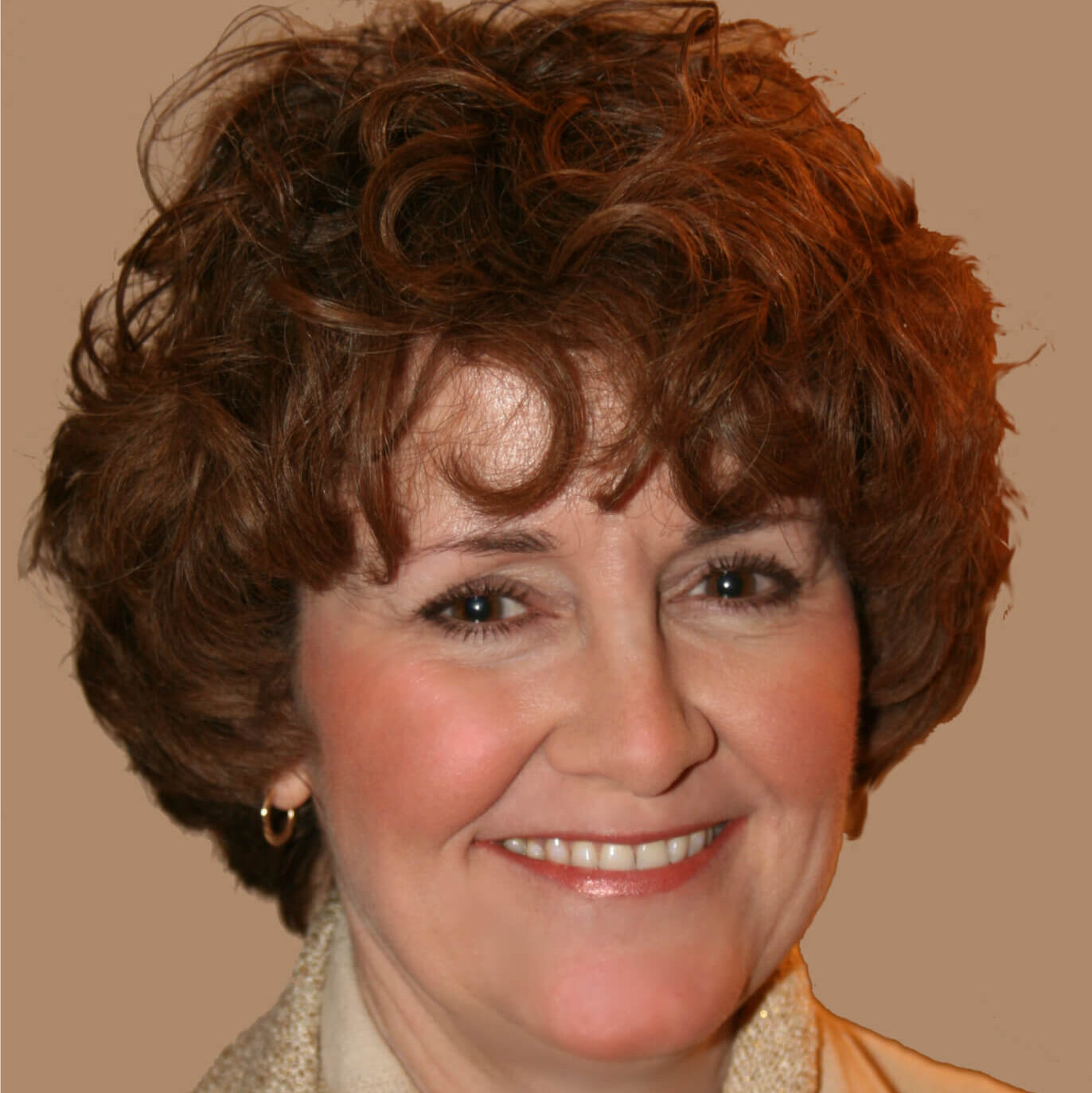
Beth Stetenfeld is an organic gardener, native-plant enthusiast and garden blogger and writer. She’s also a master naturalist volunteer and instructor.
You may be interested in:
Replace Part of Your Lawn with a Prairie Pocket Garden and Help Pollinators
This webinar presented by Metro Blooms Design + Build Vice President, Jen Ehlert, will teach you the steps you need to remove your lawn and install a new pocket pollinator garden.
When to Plant Your Vegetable Garden
Updated May 2025 Planting a vegetable garden isn’t just a one-day affair. It’s often done over several weeks, depending on the weather and other factors….
150 Tips: More Bulb Planting Tips
Early October is one of the best times to plant bulbs in the North. These tiny, dried bulbs will bloom from early April until June,…