

4 Must-know Factors for Gorgeous Prairie Gardens
Tweak your plant shopping list with these four factors in mind.
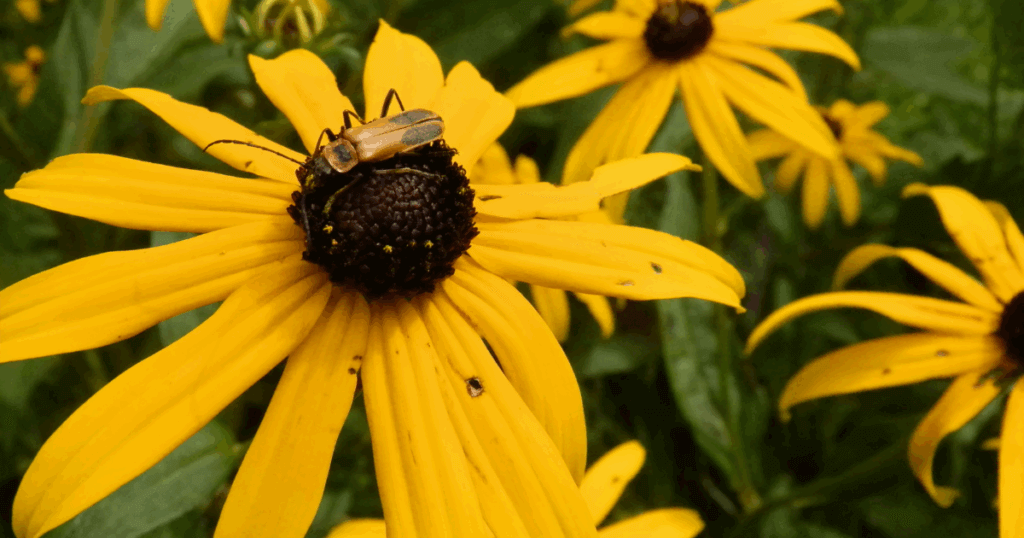
Have you tried adding prairie plants to your garden and been less than thrilled with the results? Prairie plants require specific conditions and your plant list may need some tweaking to make sure you have the right place for a prairie plant. Consider these four factors before making your selections.
Four factors for thriving prairie plants:
1. Light (and plant height!)
Most prairie plants grow best with several hours of direct or indirect sun each day, although some grow well beneath other plants. Tall plants, such as sunflowers (Helianthus spp.), need plenty of bright exposure to perform well, while prairie gentians (Gentiana puberulenta), which are only about 12 to 18 inches tall, grow in the partial shade of their neighbors.
2. Know your type— your soil type, that is!
Soil type is a complex topic, but the three biggest factors to consider are structure, texture and fertility. Most prairie plants do best in soil with plenty of nutrients. They also tend to prefer relatively neutral soil, with a pH of 6.5 to 7. Beyond fertility, specific plants prefer different structures and textures. Prairie soil texture ranges from sand, to silt and loam, to clay. The texture of the soil depends on the combination of structures—from granular to compacted. One way to determine your soil type is to obtain a test kit from your local cooperative extension office.
3. Check your surroundings
Unlike a natural prairie, your home garden probably has structures and other plants nearby. And, those structures will affect how plants grow. For instance, if your garden includes a rock wall,
the wall likely will provide warmth for a slightly longer growing season. A black walnut tree (Juglans nigra) nearby means you’ll need to select plants that are juglone-tolerant. These are just two of many location factors that can affect how prairie plants will perform in your setting.
4. Garden size matters
How large is the area where you plan to add prairie plants? If it’s small, consider avoiding or limiting very large plants (for example, Silphium and Helianthus spp.) and aggressive plants, such as grasses that expand via rhizomes or seeding. These spreaders are excellent for very large garden areas you’d like to naturalize over time. All of these variables contribute to which plants will grow
best in your garden or your prairie planting area. Expect to make adjustments during the first few years to determine which plants will work best for you over time.
Easy cold-hardy prairie plant choices for the home and garden
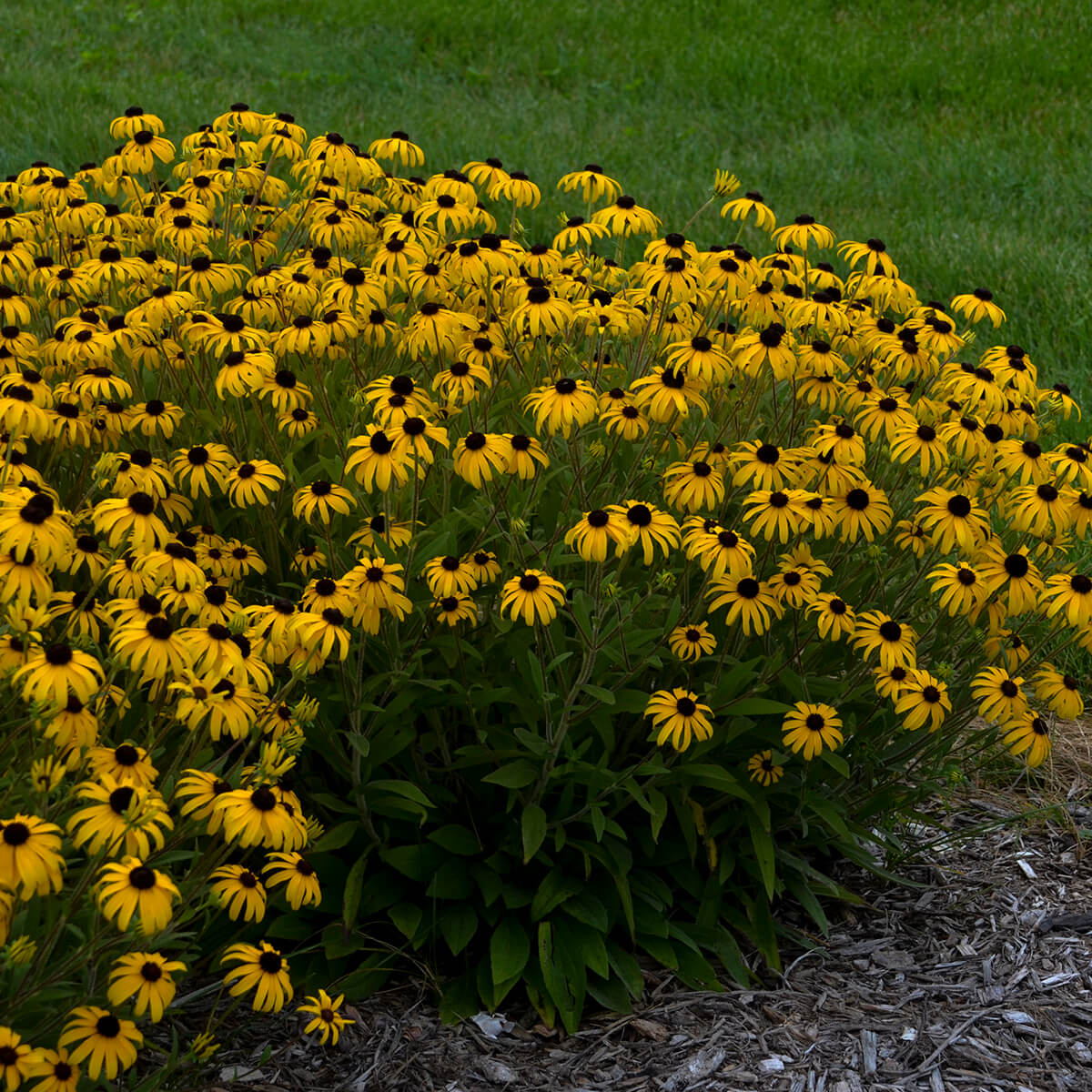
Black-eyed Susan (Rudbeckia hirta) – This long-blooming plant is native to most of the United States and hardy in USDA Zones 3-9. While it tends to be an annual to short lived perennial, it also reseeds readily. At 1 to 3 feet tall, its bright yellow flowers add warmth to any sunny garden. Birds enjoy the ripe seeds.
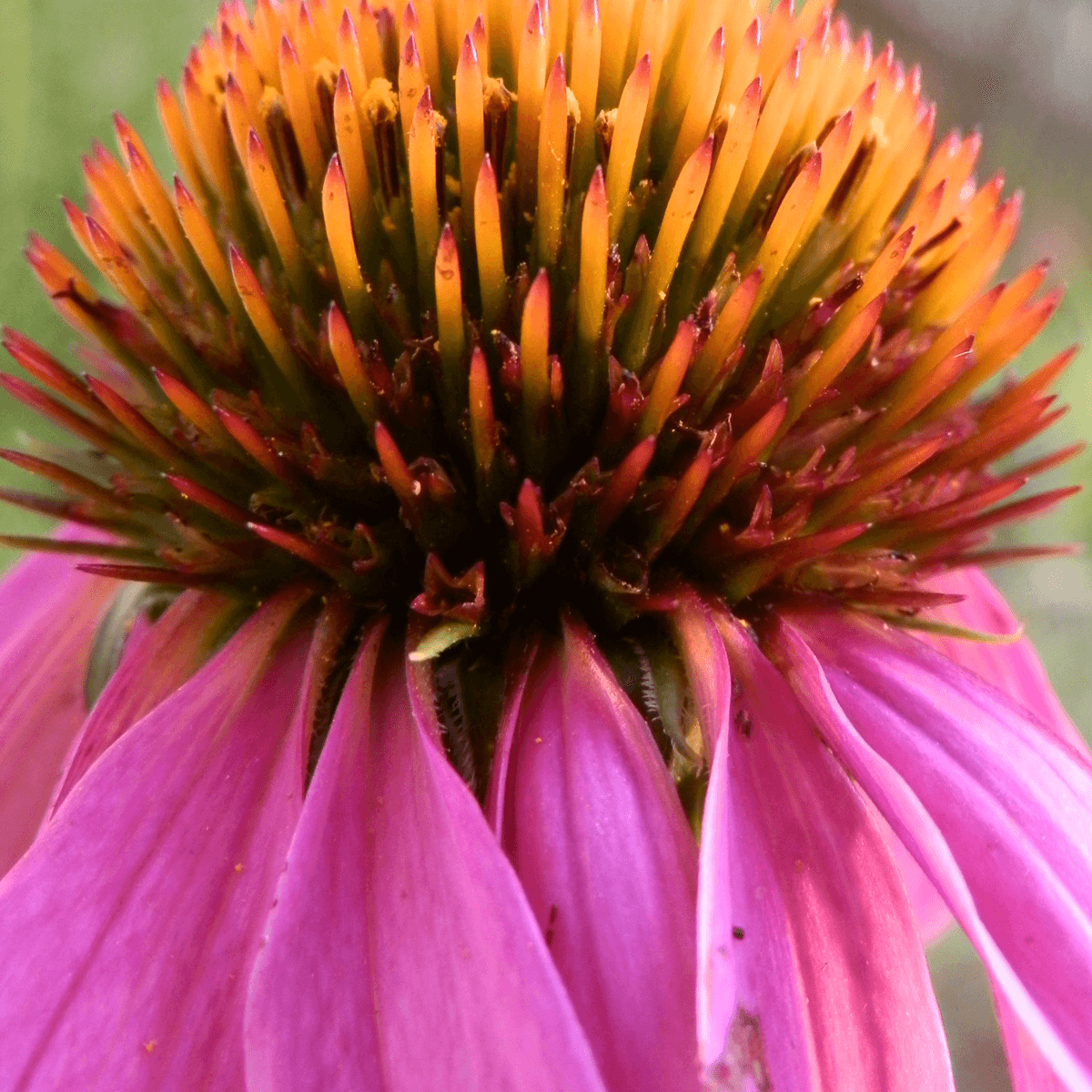
Purple coneflower (Echinacea purpurea) – This 2- to 5-foot beauty is hardy in zones 4-9. It has special value for native bees, such as the endangered Rusty Patched Bumble Bee.
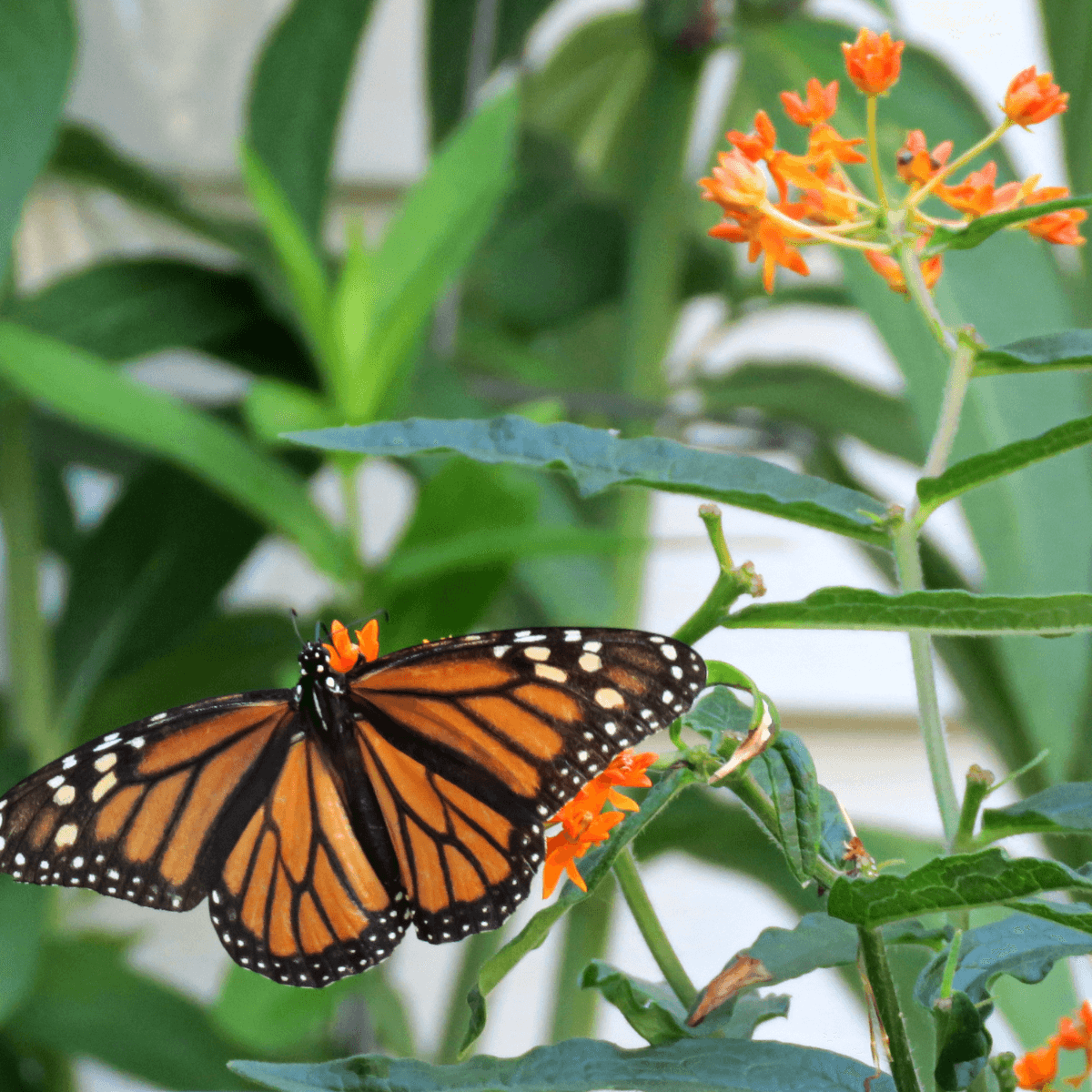
Butterfly weed (Asclepias tuberosa) – As with other milkweed species, butterfly weed is a host plant for monarch caterpillars. It also attracts other butterflies and hummingbirds. It tolerates both moist and drought conditions, although it prefers well-drained soils. Hardy in zones 3-9, it tends to grow 1 to 2 feet tall.
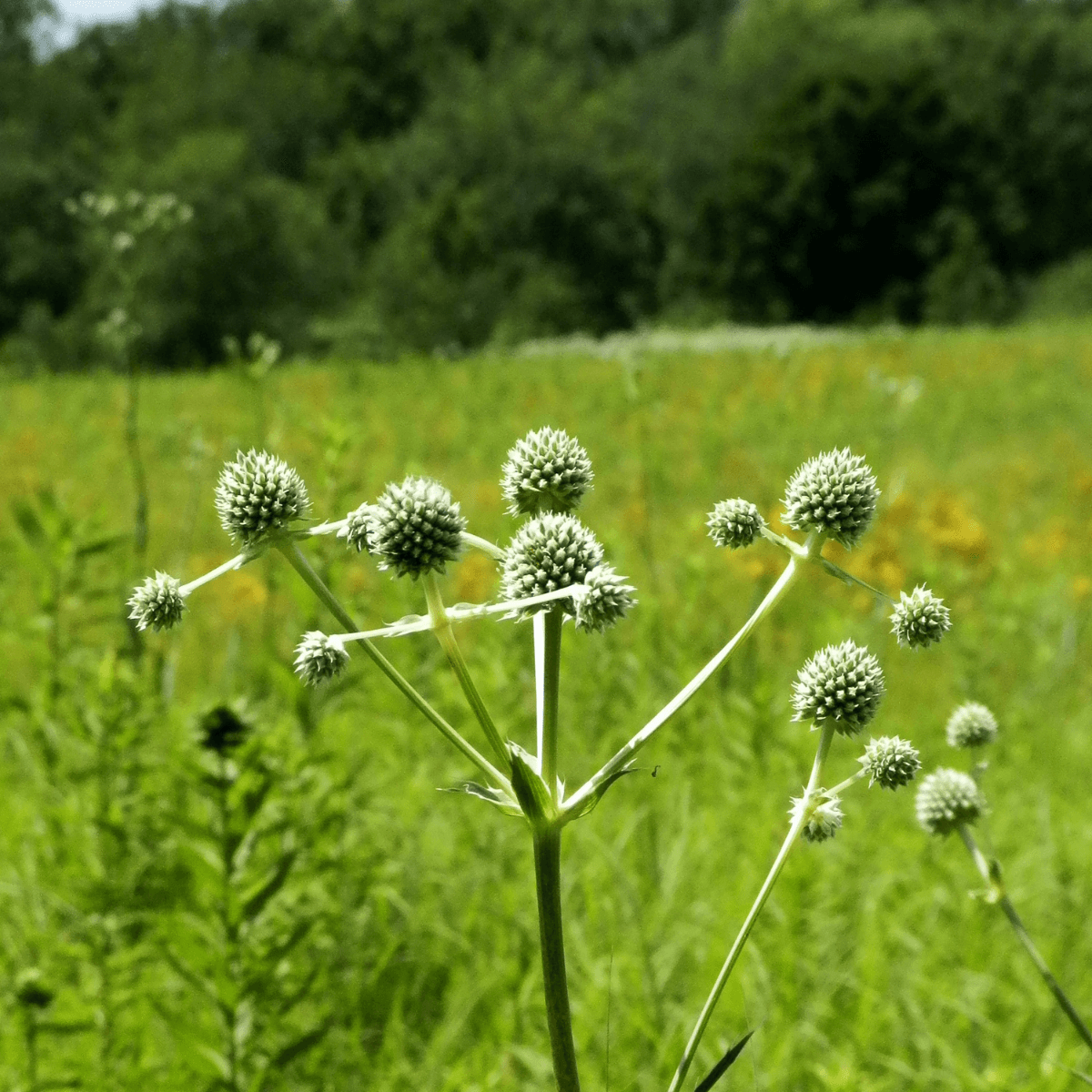
Rattlesnake master (Eryngium yuccifolium) – The unique structure of this plant, with its greenish-white, rounded heads, makes it a fun one to add to any sunny garden. At 3 to 6 feet tall, it’s a robust plant with strong stems.
Hardy in zones 3-9.
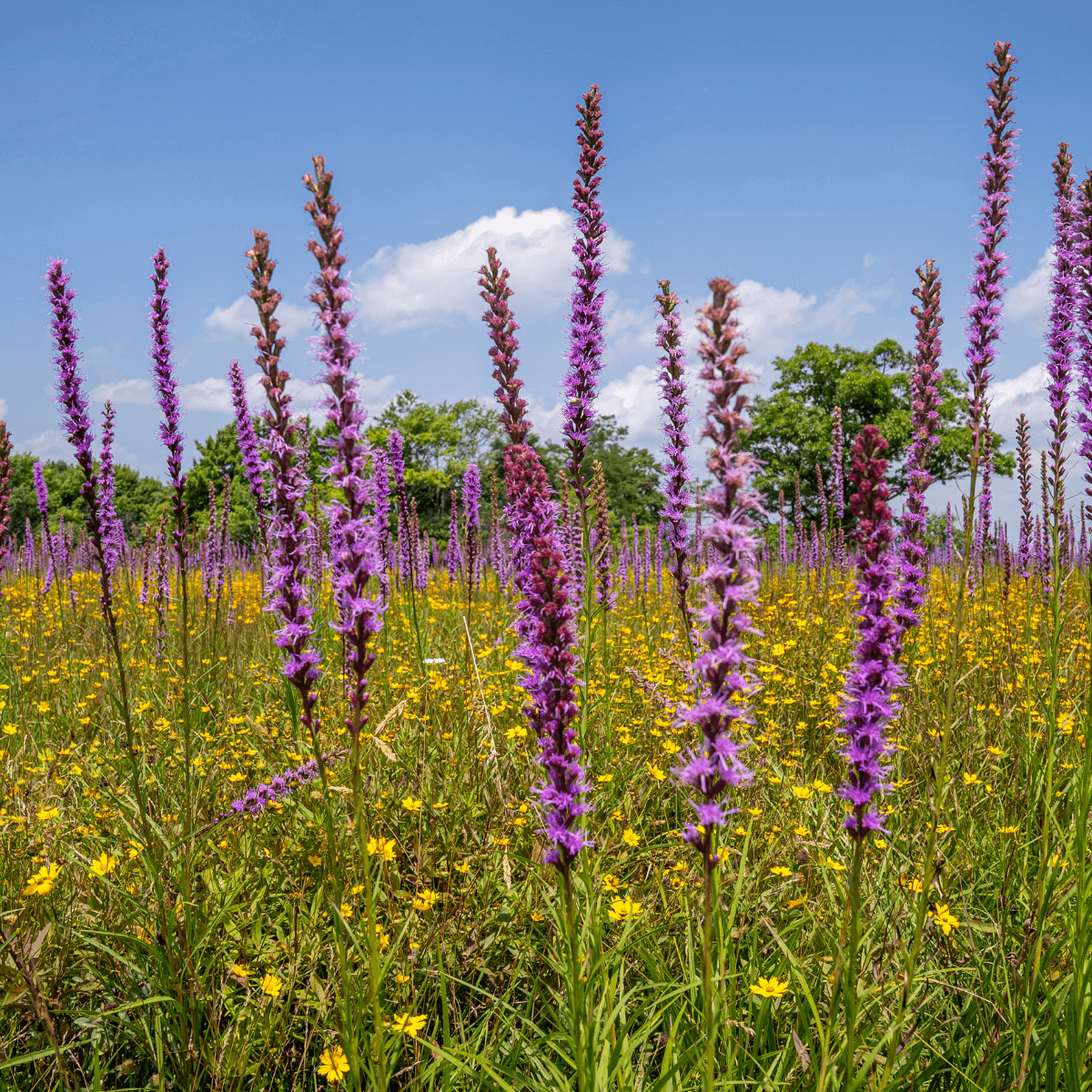
Prairie blazing star (Liatris
pycnostachya) – This particular Liatris tends to flower in late summer through early fall, so it’s a beneficial bloomer for migrating monarchs and other butterflies. It’s hardy in zones 3-9 (some sources say down to zone 2). Nearly half of its 2 to 5 feet of height is its showy flower spike. Whichever plants you try, be patient and open to failures, successes and surprises. The payoff: a lovely, thriving native plant garden.
More Prairie-planning resources:
- Ask a Master Gardener – Prairie Garden Planning
- Webinar – Installing Your Prairie Pocket Garden
- Prairie Moon Nursery – FAQs and guides for growing native plants and prairies
- Article – Native Plants for any Garden
This article originally appeared in the Spring 2023 issue of Northern Gardener® Magazine.
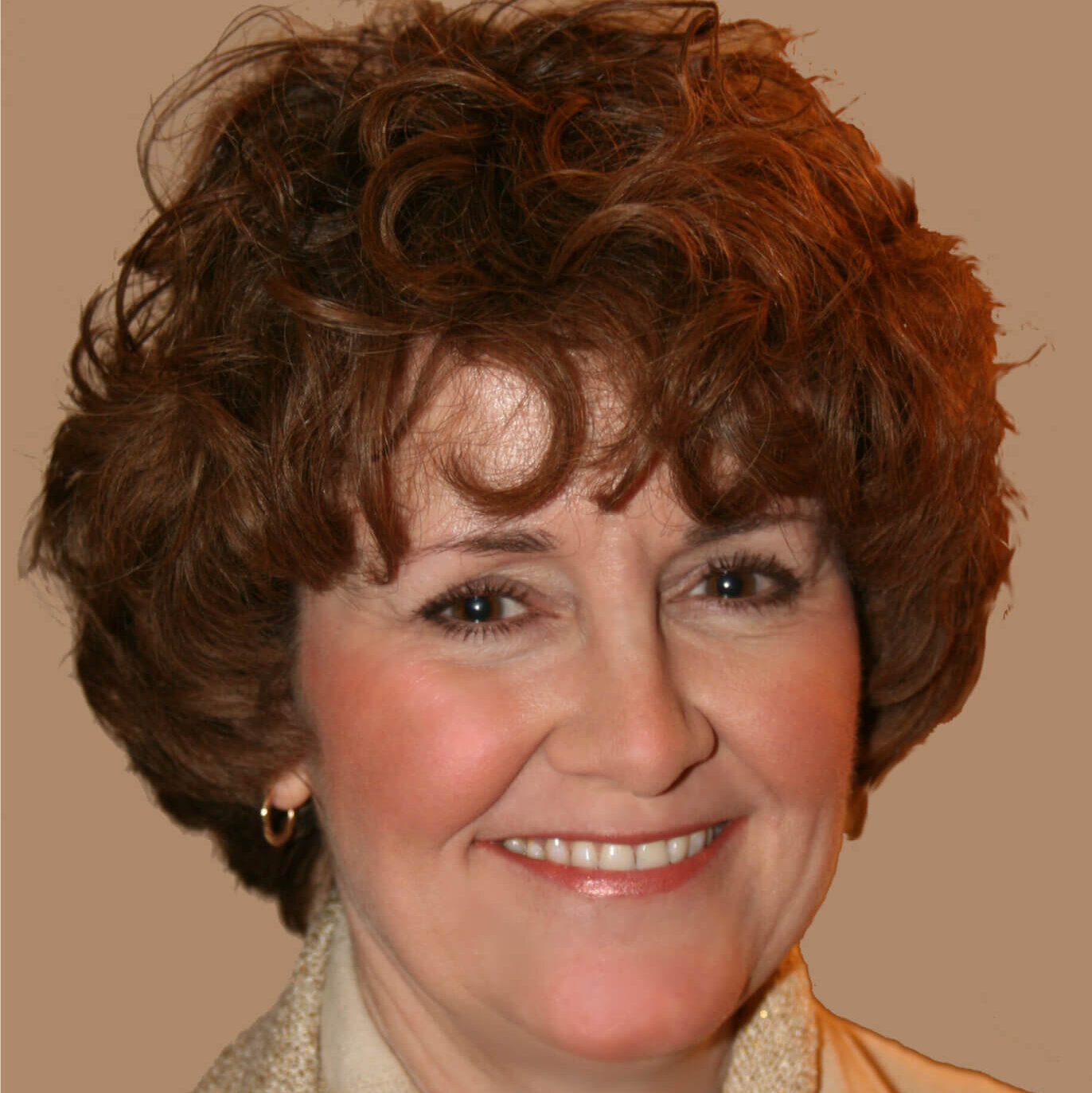
Beth Stetenfeld is a Wisconsin-based garden blogger and writer, native plant enthusiast and a master naturalist volunteer and instructor.
plantpostings.com | @plantposter
You may be interested in:
Replace Part of Your Lawn with a Prairie Pocket Garden and Help Pollinators
This webinar presented by Metro Blooms Design + Build Vice President, Jen Ehlert, will teach you the steps you need to remove your lawn and install a new pocket pollinator garden.
Garden TV for Prairie Gardeners
Minnesota gardeners are a fortunate lot. In addition to our own Northern Gardener magazine, which offers zone-specific gardening information, we also have a couple of…
Attracting Birds to Your Garden- Audubon Native Plants Database
Enter your 5-digit zip code to use Audubon’s native plants database and explore the best plants for birds in your area, as well as local resources and links to more information.