


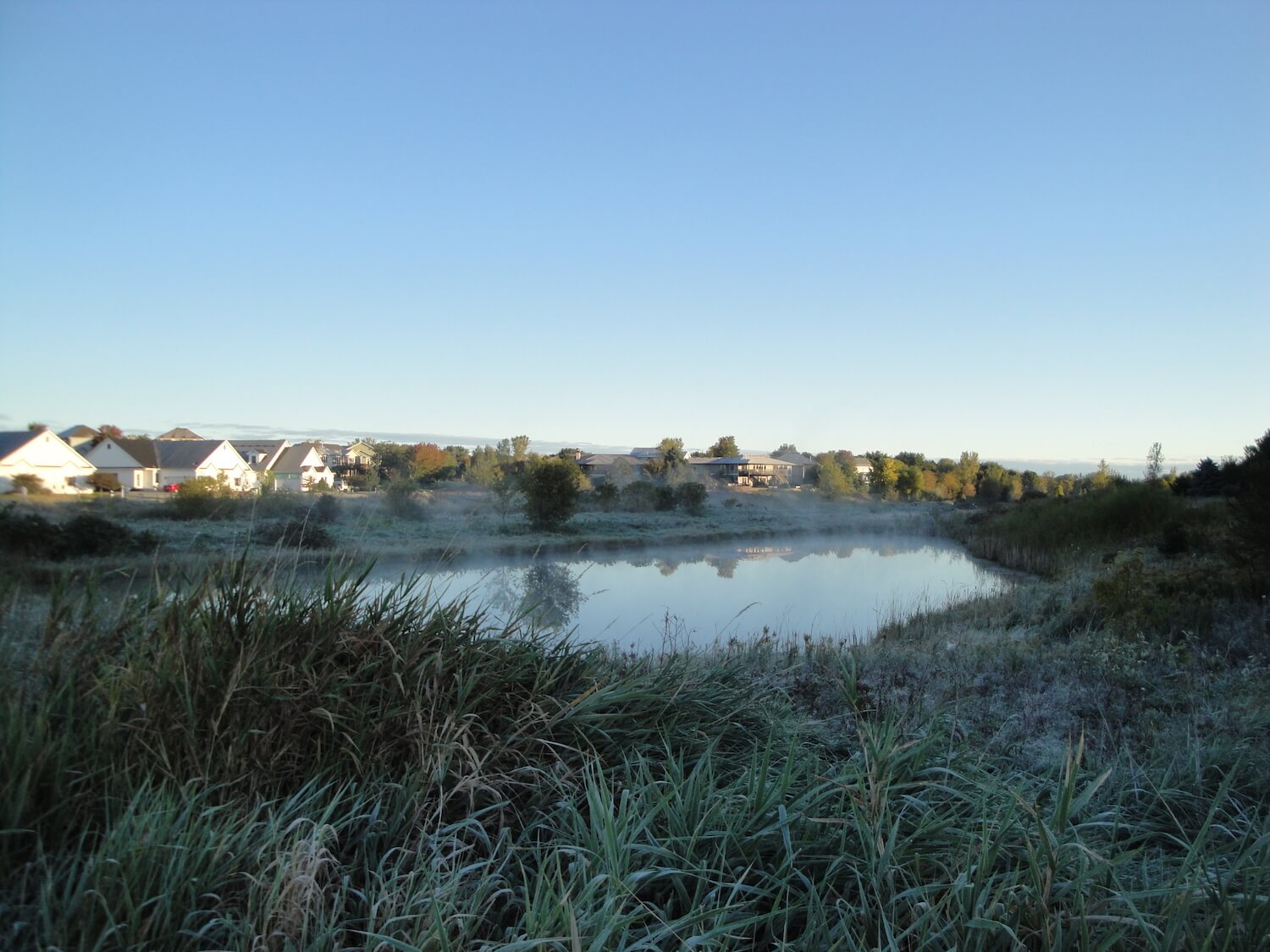
Understanding Frosts, Freezes and Hard Freezes
The weather folks were invoking the “F” word the other night — frost, which may hit the Twin Cities Friday night. The rest of the state will have variations on frosts, freezes and hard freezes. For northern gardeners, understanding the differences between these three events and what you should do in order to keep your garden growing is important.
Here’s the terminology breakdown:
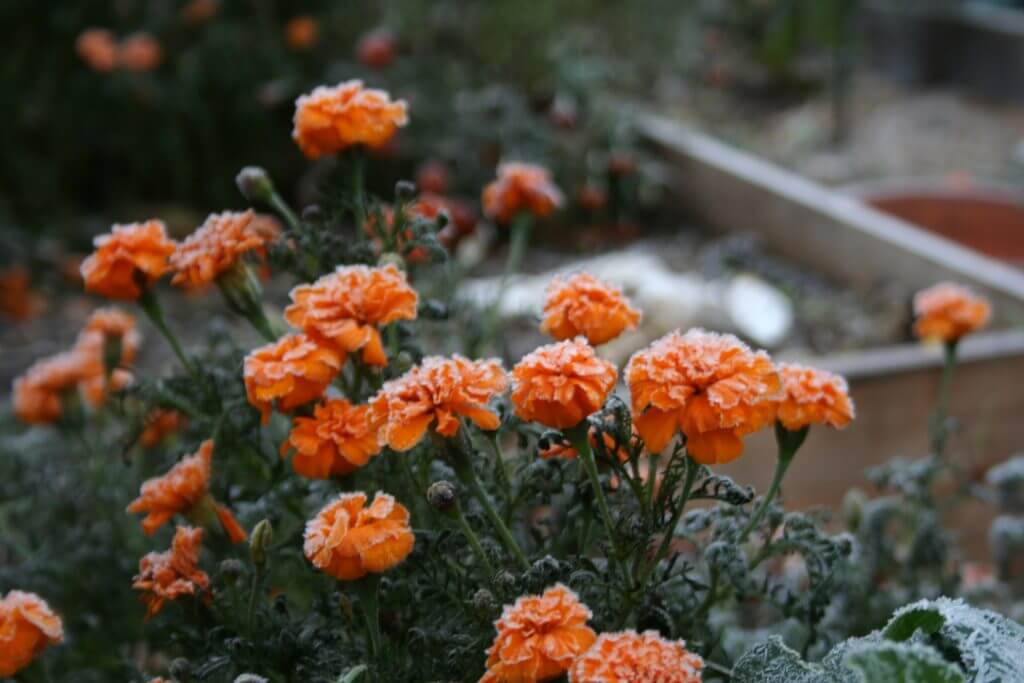
Frost
Frost is a light coating of ice formed on solid surfaces, such as leaves, blooms and blades of grass. As the air gets cooler, water droplets in the air condense on surfaces and freeze. In Minnesota, frost warnings are typically issued when the overnight low is expected to drop to 36 or lower for several hours. Now, you may be thinking, wait a minute–how can the water freeze if the air temperature is above freezing (32 degrees Fahrenheit)? The answer is that while the official air temperature is above freezing, those readings are taken above the ground. (Six feet above ground, according to this source.) Temperatures are lower near the ground and lower still in low-lying areas of your yard and garden. That’s why frost tends to form in lower areas of the yard quicker and for a longer time.
How to prepare your garden for frost: A guide
- Bring houseplants into the home to protect them from frost damage
- When bringing in houseplants, be sure to clean the pot and the plant to avoid bringing in pests
- if you have a good spot for it, you may want to quarantine houseplants for a couple of weeks.
- If you still have tomatoes, tender annuals or other summer plants you don’t want to lose, cover them up.
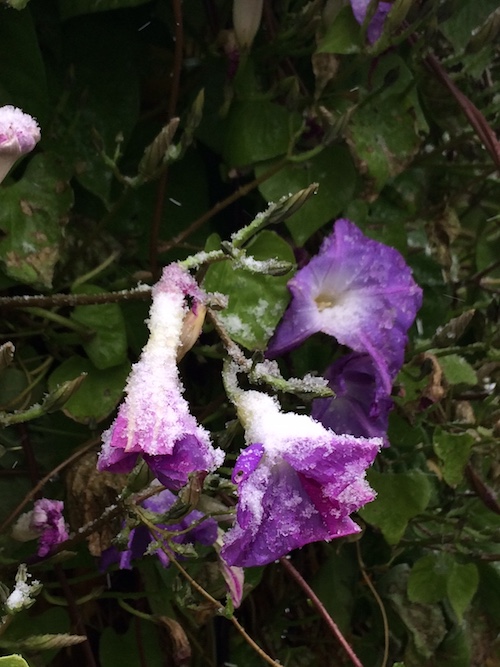
Freeze
A freeze is when the air temperatures sink to between 28 and 32 degrees and stay there for a four or more hours. For many summer season plants (tomatoes, petunias, etc.), this will mark the end of the growing season unless they are covered and kept warm.
What to do about a freeze?
- Get out all the blankets to cover anything that is not frost-hardy that you want to have continue to grow (or at least, look good).
- Note: Some vegetables, such as Brussels sprouts, kale and parsnips, actually taste sweeter after a freeze!
- Things like peppers and tomatoes that have not been picked should be harvested before the freeze sets in.
- You can sometimes ripen tomatoes on the counter to an acceptable (if not fabulous) flavor.
- Empty small water features (such as bird baths) of water to prevent damage to garden decorations from freezing.
Hard Freeze
A hard freeze occurs when the air temperature falls below 28 degrees and stays there for four or more hours. This usually signals the end of the growing season for most plants in Minnesota.
What to do after a hard freeze?
It’s time to go into full fall gardening mode!
- Clean up the plant corpses in the yard
- do a really, really good weeding!
- plan that day trip to see the fall leaves turning because that will be happening before you know it!
General Autumnal gardening tips:
- Always keep a close eye on the weather forecast for your area!
- Consider the pros and cons of bagging up fallen leaves in your yard.
- Don’t toss your yard waste in the bin! There are many other options for disposing of your lawn trimmings, leaves, and decaying flowers in a more sustainable way.
- Try adding your garden waste to your compost pile, or bringing your scraps to a yard waste recycling center in your area instead.
Have other tips to share for prepping your garden for the cold? Tell us in the comments!
Updated October 10, 2025

Mary Lahr Schier is a Minnesota gardener, writer and editor and author of The Northern Gardener, From Apples to Zinnias, 150 Years of Garden Wisdom (Minnesota Historical Society Press, 2017), winner of the Silver Award of Merit from GardenComm in 2018. For 18 years, she edited Northern Gardener magazine, the publication of the Minnesota Horticultural Society and the only magazine dedicated to gardening in USDA Zones 3, 4 and 5..
You may be interested in:
5 Tips for Late Frost Plant Protection
Picture this. It’s early June, you have a sprinkling of new seedlings in the ground and forecasters are predicting frost overnight. Don’t panic. It seems…
Strategies for the First Frost and Beyond
Feel that chill in the air? Your plants sure do! The season of morning frosts is once again upon us, gracing our mums and pumpkins…
Frost-Free Dates and the Vegetable Garden
If you grow vegetables from seed, the packet almost always lists how long before or after your average last frost date you should plant. It’s…