



Ladybugs, Asian Lady Beetles and Aphids
Sunny days! Warm weather! It’s definitely time to get the garden moving again. And while the warm temperatures of spring are busy waking up your garden, they’re also waking up insects—both the beneficial ones and the destructive ones. Let’s look at three insects that share a common connection, and see how each one affects your outdoor space. Specifically, we’re talking about ladybugs, their lookalike cousins Asian lady beetles, and the prey of both: aphids.
Aphids– a growing garden threat
You’ve probably seen aphids many times in some form or another. Tiny and pear-shaped, aphids span a rainbow of colors from green to yellow to pink to black to white, and often form clusters on their favorite garden plants. Typical targets include potatoes, peppers, melons, cabbage, various flower species like sunflowers or coneflowers, and many others. Aphids feed on the upper areas of the plants while staying away from ground-based predators.
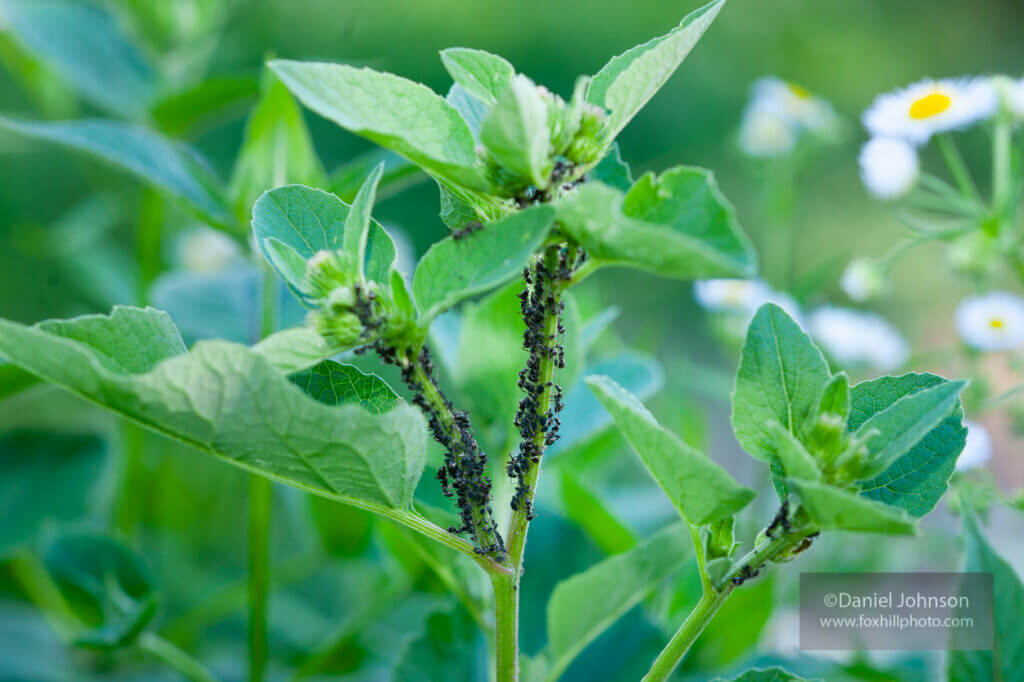
In a best-case scenario, you won’t actually notice any damage from these little guys, as most of the time aphids don’t cause much significant harm to the plants they inhabit. That said, if an aphid population increases enough, individual plants may suffer from wilted leaves and weak growth. Aphids can also leave behind sticky honeydew, which is sugary and attracts ants. Too much honeydew may also trigger sooty mold.
All things being equal, your garden is better off without aphids than with them, but using pesticides to control aphids in a garden may feel like overkill, and many gardeners aren’t interested in using chemicals anyway. Luckily, aphid populations can be controlled in another, more natural way: with ladybugs.
Ladybugs: courteous and murderous
Also known as lady beetles or ladybirds, true ladybugs are native to North America and are an ideal garden guest. They’re always red, and they always have black spots on an essentially circular body. Ladybugs don’t damage crops, but they do prey on aphids and other garden pests, so having them in your garden is a definite win-win.

Attracting ladybugs to your outdoor space is key, and you can do this in a simple way: planting flowers. Ladybugs seek pollen and prey, so a garden full of aphids and flowers makes an ideal habitat. Even if you’re chiefly interested in edible crops, a perimeter of flowers attracts ladybugs, pollinators, and increases the aesthetic enjoyment of your property. Calendulas, dandelions, cosmos, geraniums, even chives or dill—all of these and many more attract beneficial ladybugs. Ladybugs also overwinter in fallen leaves, so delaying autumn cleanup until the following spring can help them.

Asian lady beetles: the impish impersonator
But watch out! Many of the insects that people call “ladybugs” are actually a separate—and invasive—species called Asian lady beetles. They look a lot like regular ladybugs, and they’ll happily prey on aphids as well, but these polka-dotted posers are destructive. Asian lady beetles form flocks, can damage crops, and try to overwinter indoors by sneaking through cracks in your house. Asian lady beetles have a distinct (and somewhat unpleasant) odor, and they occasionally bite. Their benefits don’t really make up for their nuisances—they’re pretty much a garden pest!
Ladybugs vs Asian lady beetles: How to “spot” the difference:

Ladybug
- Color: red, like a fire hydrant
- Number of spots: varies by species, but typically between 2 and 12
- Body: round and stout
- Head: Mostly black, with small, white markings that look like cheeks!
- Behavior: Docile towards humans. Typically overwinter outside rather than indoors. Congregate in smaller groups than asian lady beetles

Asian Lady Beetle
- Color: more of a red-orange or orange than a “true” red. Can also be yellow, tan, or even black
- Number of spots: typically 19, but can vary. Some even lack spots altogether!
- Body: slightly elongated and oval-shaped
- Head: mostly white, with a distinct “M”-shaped black pattern. Pattern may be solid or broken up into splotches
- Behavior: gather in huge numbers and try to overwinter indoors together. Known to bite and/or excrete a foul-smelling liquid when threatened
Since Asian lady beetles compete with native ladybugs, it may be in your best interest to remove Asian lady beetles from your home when you see them performing their yearly invasion.
Summary:
- Aphids– a pest in large numbers
- Ladybugs– a valuable ally in your garden to combat aphids
- Asian lady beetles– who also participate in the aphid wars, but with multiple downsides

Daniel Johnson is a Wisconsin-based freelance writer and professional photographer and the co-author of over a dozen books. You can view some of Dan’s garden and animal photography at foxhillphoto.com.
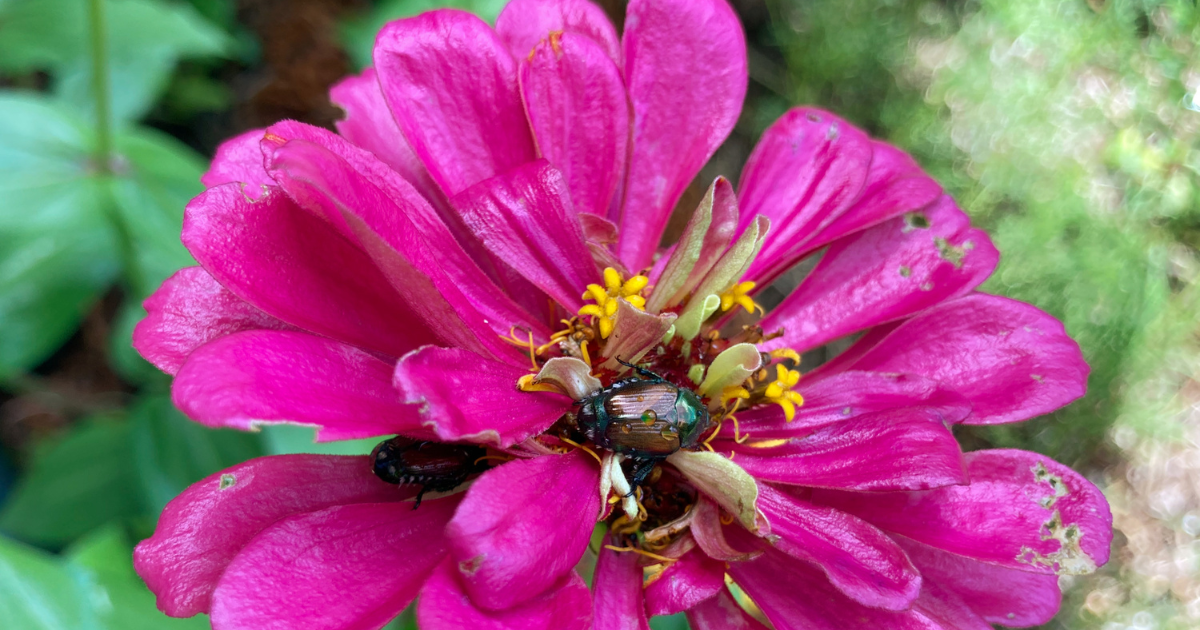
The image shown here of ‘ladybugs’ (by Daniel Johnson) is actually of a gathering of pentatomid (shieldbug / stink bug) nymphs (these look to be newly-hatched Sehirus cinctus, the White-margined Burrower Bug).
They are completely different to ladybugs / ladybirds (which are beetles, not true bugs) as may be seen from their clear lack of elytra