



Garden Zone Experiments
What’s your garden zone? Do you ever try to cheat it?
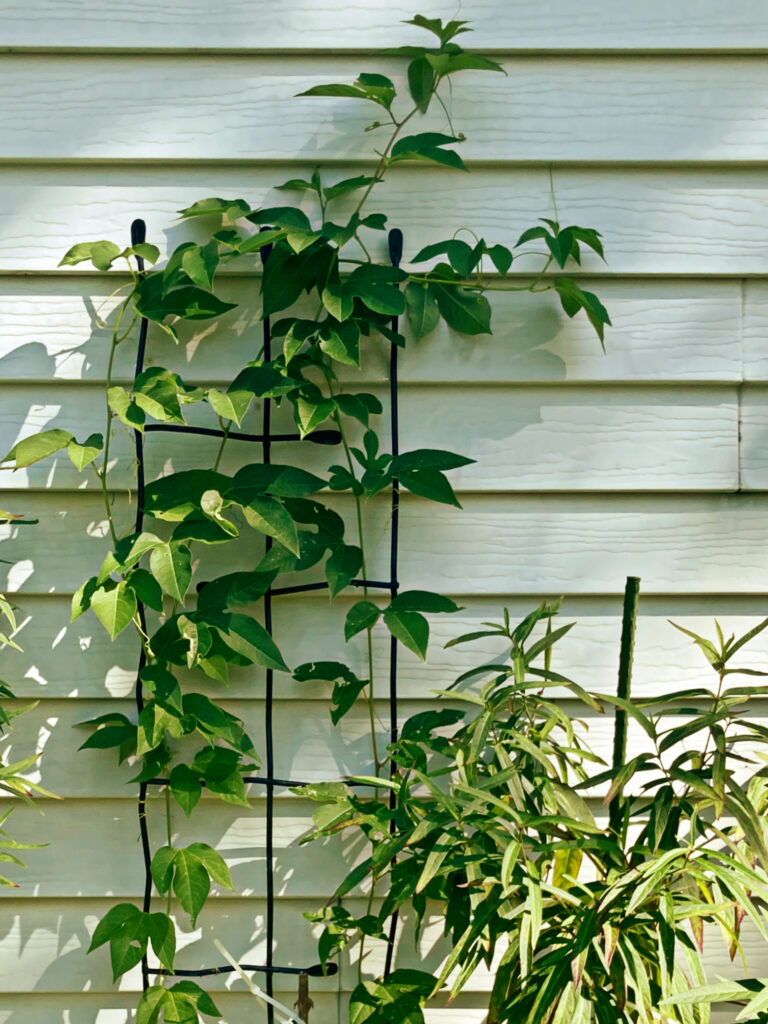
I rarely do. Most of the plants I grow that belong in warmer zones have two fates:
- I allow them to perish with the first frost or freeze; or
- I place them in pots to spend the winter indoors in my sunroom.
But I’ve occasionally tried to push the zones. I’m firmly in USDA Hardiness Zone 5a. We sometimes have mild winters, but they’re often followed by cold ones.
Two examples of plants I’ve overwintered outdoors that naturally grow in warmer zones:
- Purple Passion Flower (Passiflora incarnata): This plant thrives in zones 6-10. So, to “pamper” it a bit, I’ve covered it with cardboard and heavy mulch during the worst of winter, and then pulled the covers back in late winter/early spring. I also planted it on the west-facing, sunny side of my house, adjacent to the foundation.
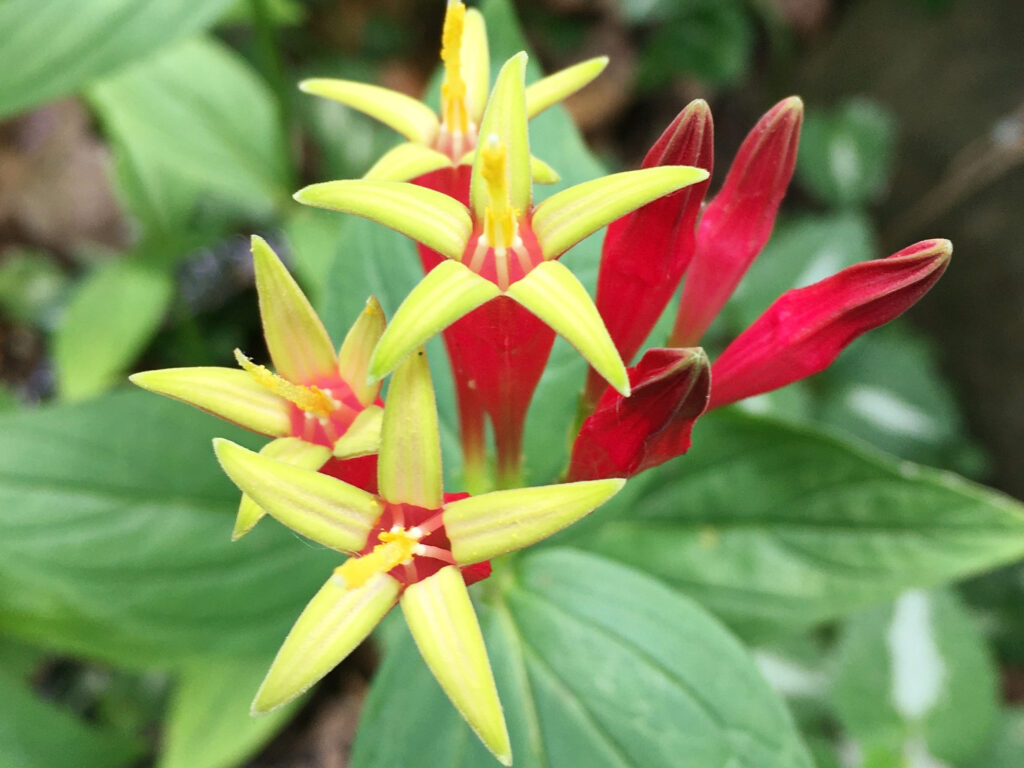
- Woodland Pinkroot (Spigelia marilandica): Various sources list this plant as hardy to zones 7, 6 or 5b. I planted it in two places-one not particularly protected, and the other near a warm rock wall. Both are lightly mulched. It’s returned in both garden locations for five years now.
So, with a little extra planning and, in some cases, extra protection, pushing the garden zones a bit can be successful. To be honest, I’ve had more success with these zone-stretching plants than with other true-to-zone plants that I simply plopped in the soil.
Minnesota’s garden zones stretch from 3a to 5a, which limits the number of planting options. Of course, summers are warm, so even plants that aren’t hardy in your zone can make excellent choices for annual displays. And if you’re willing to take a chance and pamper them a bit, zone-stretching choices just might survive to see future growing seasons. You can find plants hardy in Minnesota’s range of garden zones here.
Another thing to keep in mind is that most climate/gardening experts predict shifting garden zones in the decades to come. The U.S. Forest Service, among many organizations, has published research on what we can expect in the future (2070-2099). This won’t affect your garden much now, but if a plant survives zone-stretching now, it’s more likely to do so in the years to come.
Garden experiments can be fun, but I have to remind myself to be prepared for zone-pushing plants to perish over the bitter winter. It’s worth a try, though: Sometimes they simply need a little extra care.
Beth Stetenfeld is an organic gardener, native-plant enthusiast and garden blogger and writer. She’s also a master naturalist volunteer and instructor.
You may be interested in:
Peat Alternatives: One Gardener’s Experience
Like many gardeners, I’m concerned about the depletion of peat resources around the world. The main ingredient in many potting mixes, peat comes from slow-forming…
Find Your Hardiness Zone
One of the most important things us cold-climate gardeners need to know? Our plant hardiness zone. Cold hardiness zones are established by the U.S. Department…
Gardening with All Five Senses
It’s that time of year when garden clubs, Master Gardener groups and community organizations hold garden tours. Walking through gardens created by talented amateurs is…