



Facts about Magnolia Scale
A knowledgeable gardener alerted us last week that he had heard reports that magnolia scale was visible in Minneapolis now. This insect has been around Minnesota for several years and it can be devastating to magnolias. It’s sneaky, too, and unless you know what you are looking for, you might not notice it. Here are some facts to keep in mind when dealing with this pest.
What is Magnolia Scale?
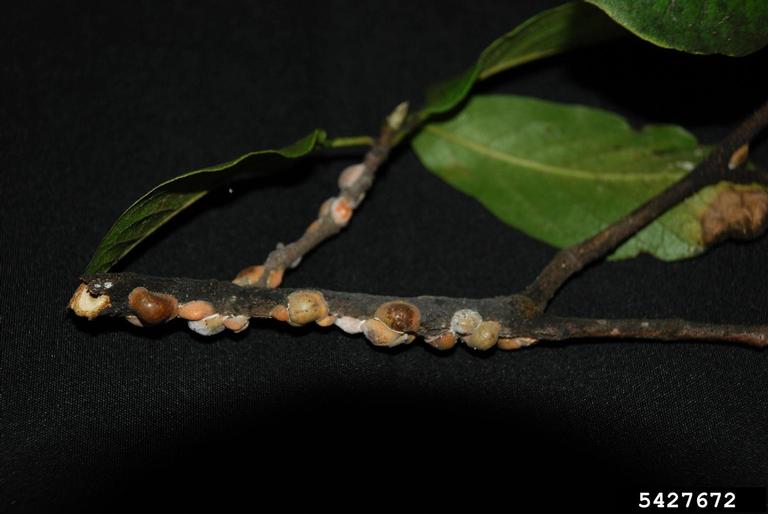
Magnolia scale (Neolecanium cornuparvum) is an insect that attacks magnolia trees, particularly star magnolia and saucer magnolia. There are other scale insects that feed on other trees. Scale are sap-sucking insects covered by a shell-like scale. A scale on a branch can look like a tree bud, and the gray-brown coloring may match the color of branches. They look kind of harmless, too, but they are robbing trees of nutrients by sucking them from the tree’s branches. Their excrement, called honeydew, is sticky and attracts other pests, such as ants and wasps. It also can lead to mold or fungal growth around the tree.
The number of scale on a tree can increase dramatically in one year, and years with more moisture and higher temperatures favor scale infestations. Magnolia scale live through winter as nymphs on tree branches. Early in the summer, the nymphs mature and the females start laying eggs. Those hatch from generally in August. There is a stage of their life when the scale move around — they are called crawlers. They can even move from tree to tree on other insects or birds.
What to Do?
Because scale can increase in numbers so rapidly, it’s important to time and treatments carefully and get at it early. Horticultural oils are a popular option. Mix the solution according to the label and spray every part of the tree. As with other treatments, don’t use this when the temperatures are above 85 degrees as this can harm the tree. Another option for low-level infestations is to power-wash the scale (adult or crawlers) off the tree. Both the University of Minnesota and the University of Wisconsin have helpful fact sheets on dealing with magnolia scale.
You may be interested in:
What to Do About Magnolia Scale
If you have magnolias in your landscape, there are two things I know about you: you adore these fabulous spring-blooming trees and would be heartbroken…
Plant Profile: Magic Magnolias
Magnolias are wonderful small trees or shrubs, which despite their southern connections, can work as spring-flowering plants for gardens in USDA Zone 4 — about…
Food Safety Fact Sheets
University of Minnesota Extension developed these fact sheets related to Good Agricultural Practices (GAPs) and the Food Safety Modernization Act (FSMA) Produce Safety Rule.