



Native Plants That Compete Well With Non-Native Invasives
Is there an area in your garden or property where it’s hard to get rid of non-native invasive plants? Or maybe you have a section you want to be “wild” or naturalistic, but you don’t want undesirable invasives to take over?
Whether it’s in sun or shade, here are some native plants that compete well and are also beautiful and beneficial for native garden ecosystems.
In shade or partial shade, consider:
- Mayapple (Podophyllum peltatum): Mayapples emerge in mid-spring and tend to bloom in May. These graceful, 1-2 foot, umbrella-shaped plants, when established, form swaths of groundcover that can compete effectively with invasives. USDA hardiness zones 3-8.
- Virginia waterleaf (Hydrophyllum virginianum): This woodland plant forms large colonies of mounded plants that grow from tufts of fibrous roots. Virginia waterleaf self-seeds and spreads via offsets from rhizomes. The mottled leaves, often with white spots, form an attractive groundcover and the pink/purple/white blooms attract pollinators. Zones 3-8.
- Violets (Viola spp.): There are 19 species of Viola native to Minnesota. When blooming, their colorful flowers enliven the landscape. During the rest of the growing season, their foliage can form an expansive groundcover network. While species hardiness zones vary, they generally range from zones 2-9.
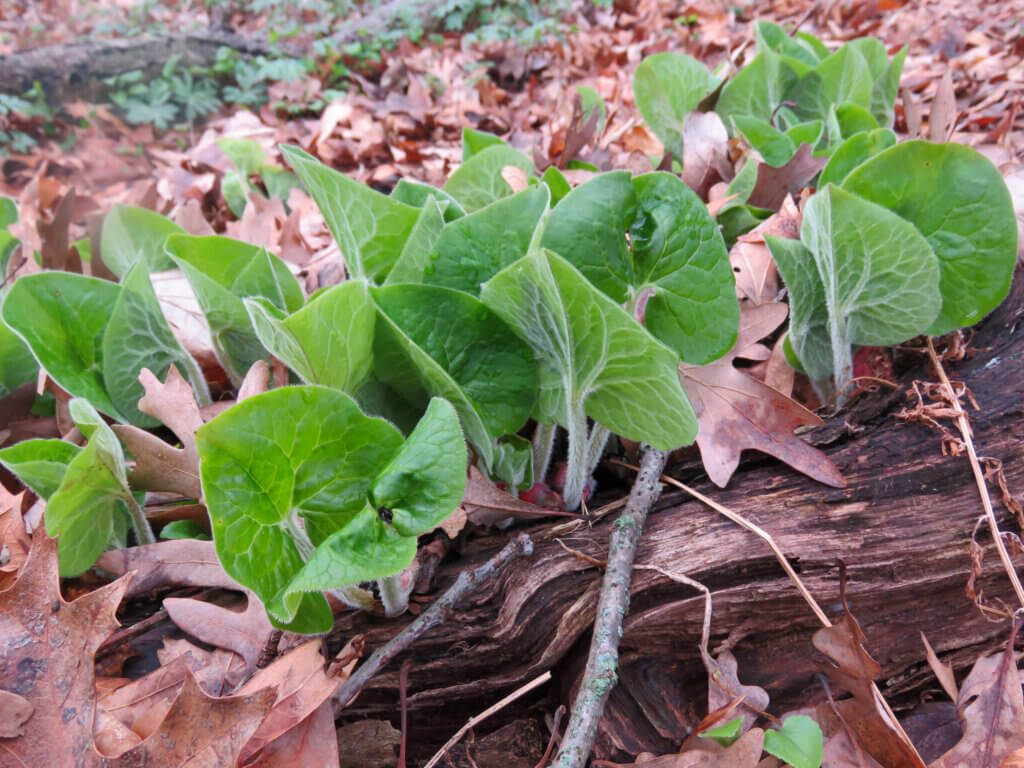
- Wild ginger (Asarum canadense): Wild ginger patches tend to sprawl across wide areas. While they may look tender and graceful, the 6-12 inch plants are densely packed and ground-hugging. The flowers tend to bury their faces next to the soil, but are fascinating to view. These vigorous groundcover plants grow by rhizomes. Zones 3-8.
For sunny areas, think about:
- Common milkweed (Asclepias syriaca): Most gardeners are familiar with this tall (3-5 foot) milkweed. It tends to spread more prolifically than other milkweeds, which works well in a sunny area where you wish to discourage non-native invasive plants. And, of course, they’re host plants to monarch butterflies, so you’ll likely have many visitors. Zones 3-9.
- New England aster (Symphyotrichum novae-angliae): Fall-blooming plants, New England asters can grow 3-6 feet tall and 2-3 feet wide, claiming large swaths to discourage unwanted invasive plants. Their blooms, ranging from pink to purple, are among the last flowers of the growing season, often blooming until the first hard freeze. Zones 3-8.
- Canada goldenrod (Solidago canadensis): Some consider Canada goldenrod to be too prolific and pull it, even though it’s a native plant. But the benefit of its competitive nature is that it often outcompetes non-natives, too. This tough and beautiful plant spreads both by seed and rhizomes. Zones 2-9.
- False sunflower (Heliopsis helianthoides): Also called oxeye or smooth oxeye, this early to midsummer bloomer grows well in a range of soil types. Each plant can reach 3-6 feet tall and a similar width. In addition to being tough, long-lived and competitive with non-native invasives, this plant has a long blooming season, often from June through September. Zones 3-9.

All these plants do a decent job of discouraging or limiting the spread of non-native invasive or unwanted plants. Note that they also can be aggressive and take over large areas, so they’re probably best planted in locations you want to be “wild” and don’t necessarily want to grow more sensitive native or decorative garden plants.
There are many more, of course, and this list from the North American Land Trust might be helpful. Also, the Minnesota Department of Natural Resources offers tips for cultivating and establishing native plants. Remember, you’ll want to remove the invasive plants first before planting the natives. Good luck!

Beth Stetenfeld is an organic gardener, native-plant enthusiast and garden blogger and writer. She’s also a master naturalist volunteer and instructor.
Photo credit: Beth Stetenfeld. Featured image: New England aster.
You may be interested in:
Native plant suppliers, landscapers, and restoration consultants for Minnesota
The DNR maintains a list of native plant suppliers and consultants for Minnesota. Companies must certify that they sell Minnesota native plants sourced from the state, do not sell invasive or noxious plants, and/or have experience as a native plant consultant or habitat restoration specialist. Some nurseries on these lists sell a mix of Minnesota native, non-native, or horticultural varieties of plants. Minnesota wildlife –including pollinator species– benefit most from Minnesota native plants because they developed together.
Planting for Pollinators
Planting for pollinators… the concept was just a blip on the radar a few years ago. Now it’s a nationwide trend, only growing in popularity….
Plant Spotlight: Wild Ginger
Wild ginger (Asarum canadense) is a plant of many surprises—and many names. It is commonly called woodland ginger, Canada ginger, snakeroot, colic root, coltsfoot, namepin and…